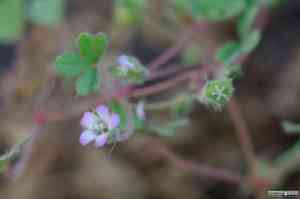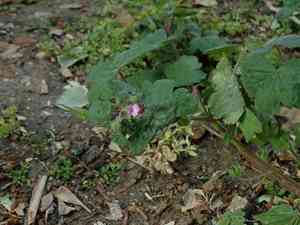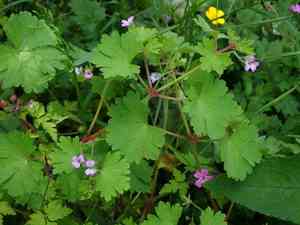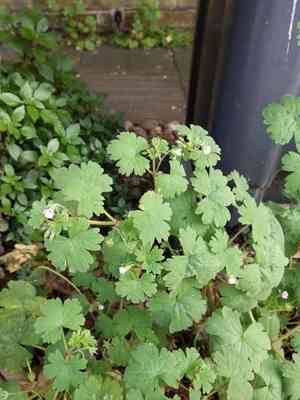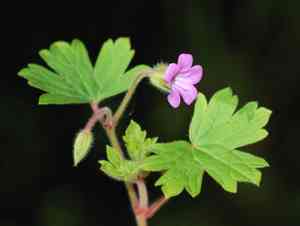
Roundleaf geranium(Geranium rotundifolium)

Roundleaf geranium (Geranium rotundifolium)

Also known as: Round-leaved crane's-bill

Roundleaf geranium, an annual plant, is frequently regarded as a weed. Despite not being native to the United States, it has established itself in at least five states. This species is not typically grown as a cultivated variety of geranium.

Attributes of Roundleaf geranium

Lifespan
Annual
Plant Type
Herb
Plant Height
15 cm
Spread
N/A
Leaf Color
Green
Flower Size
6 mm to 7 mm
Flower Color
Pink

ForwardPlant - Identify plants with a snap

Identify and diagnose plants, get toxicity alerts, and explore safety guides for all types of fungi.

Try for Free

Images of Roundleaf geranium

Roundleaf geranium(Geranium rotundifolium)

Quickly Identify Roundleaf geranium

1
To identify Geranium rotundifolium, look for its rounded, lobed leaves and small pink flowers. The leaves are usually hairy and the stems are often reddish. The flowers have five petals and are typically around 1 cm in diameter.

Scientific Classification of Roundleaf geranium

Phylum
Vascular plants
Class
Dicotyledons
Order
Geraniales
Family
Geranium
Genus
Geraniums
Species
Roundleaf geranium

Planting and Growing of Roundleaf geranium

Care Difficulty
Easy
Watering Schedule
Every 2 days
Sunlight Requirements
Partial sun
Sunshine Duration
6-12 hours
Ideal Temperature
65-75℉
Soil Type
Potting Mix, Peat Mix
Soil pH
6.5-7.5
Fertilizer Type
Balanced
Pruning Season
Spring, Summer
Pruning Area
Branches, Leaves
Pruning Frequency
Once a year
Repotting Season
Spring
Pot Type
Plastic, Ceramic

water icon How to Water Roundleaf geranium?

Geranium rotundifolium, also known as the round-leaved geranium, requires a moderate watering approach. Water until the soil feels moist but not soggy, which typically means about 250 ml per watering session. Ensure excess water drains out to prevent root rot.
What are the symptoms of an underwatered Roundleaf geranium? ›
What should I do if my Roundleaf geranium is not getting enough water? ›
What are the symptoms of an overwatered Roundleaf geranium? ›
How to save an overwatered Roundleaf geranium? ›

sunlight icon What Are the Sunlight Requirements for Roundleaf geranium?

Sunlight Requirements: Partial sun
Duration of light: 4 to 6 hours
Partial sun equates to 4-6 hours of sunlight daily. It promotes balanced growth in Geranium rotundifolium, facilitating healthy foliage, strong stems, and lush overall plant appearance.
What type of sunlight does Geranium rotundifolium prefer? ›
How can I ensure my Geranium rotundifolium receives ideal lighting? ›
What are the benefits of providing ideal sunlight to Geranium rotundifolium? ›
More About Sunlight Requirements Techniques→

temperature icon What Is the Ideal Temperature Range for Roundleaf geranium?

Ideal Temperature: 65 ~ 75℉
For Geranium rotundifolium, the ideal temperature range for optimal growth is between 65°F and 75°F. This range provides suitable conditions for photosynthesis and efficient metabolic processes. Maintaining temperatures within this range ensures robust development and flowering, allowing the plant to thrive.

soil icon What Soil is Best for Roundleaf geranium?

Soil type: Loam, Sandy loam
Soil PH: 6.5 ~ 7.5
Geranium rotundifolium thrives in well-drained soil, which prevents waterlogging and promotes healthy root growth. This condition ensures that roots receive the right balance of moisture and air, reducing the risk of root rot. This plant prefers a soil with moderate nutrient levels. A soil rich in organic matter supports its growth by providing the necessary nutrients without overwhelming the plant, ensuring balanced and sustained development. Maintaining a lightly moist soil is crucial for Geranium rotundifolium. This consistency aids in optimal growth and flowering, as excessive dryness or wetness can stress the plant, limiting its overall vigor.

fertilize icon How to Fertilize Roundleaf geranium?

Fertilizer type: Balanced
Geranium rotundifolium prefers moderate fertilization. Use a balanced liquid fertilizer diluted to half strength, about one tablespoon per gallon of water. Over-fertilization can be detrimental, so stick to this recommended concentration to prevent any harm to the plant.

prune icon How to Prune Roundleaf geranium?

Pruning Time: Spring, Summer
Start by identifying the parts of the plant that need pruning, such as yellowing leaves and spent flowers. Remove these first, cutting back to a healthy section of the stem. Next, trim any long or unruly stems to maintain the desired shape and compactness of the plant. If you notice any branches crossing over each other, choose one to keep and remove the other to prevent rubbing and injury. Maintaining the natural lopsided form of Geranium rotundifolium helps it grow strong and bushy. When shaping, follow the natural lines of the plant, trimming lightly in areas that extend too far beyond the plant's core structure. This helps promote a more aesthetically pleasing appearance and encourages a dense, healthy foliage. More About Pruning Techniques→

propagate icon How to Propagate Roundleaf geranium plant?

Propagate Time: Spring, Early spring, Summer
1
To propagate from seeds, fill a seed tray with a well-draining potting mix, and sow the seeds on the surface, covering them lightly with soil. Keep the soil moist and place the tray in a bright, warm location.
2
Choose a healthy, non-flowering stem and cut a 4-6 inch section just below a node. Remove the lower leaves and dip the cut end in rooting hormone before planting it in a pot with moist soil.
3
Carefully remove the plant from the ground or pot. Gently separate the root ball into smaller sections, ensuring each has a healthy set of roots and stems, then replant the divisions immediately.

repot icon How to Repot Roundleaf geranium plant?

Repotting frequency: Every 2 to 3 years
1
Repotting Geranium rotundifolium is best done in spring or autumn when the plant shows signs of being root-bound, like roots protruding from the drainage holes or slow growth.
2
Select a pot that is 1-2 inches larger in diameter than the current one. Ensure it has adequate drainage holes to prevent waterlogging, which can lead to root rot in your Geranium rotundifolium.
3
A well-draining potting mix enriched with organic matter is ideal. Such soil provides the necessary nutrients while ensuring excess water does not accumulate, protecting the plant from root diseases.

ForwardPlant - Identify plants with a snap

Find the best spots for them to optimize their health, simply using your phone.

Try for Free

Toxicity of Roundleaf geranium

Is Roundleaf geranium toxic to humans?

The Roundleaf geranium is characterized by a mild toxicity level for humans, primarily when ingested. This plant, which includes its leaves, stems, and flowers, contains the toxic compound geraniol throughout its structure. Even when consumed in minimal amounts, the roundleaf geranium can lead to negative health effects. Symptoms of poisoning can manifest as gastrointestinal discomfort, including nausea, vomiting, and diarrhea. Furthermore, individuals may also encounter dermatitis or skin irritation following contact with the plant. It is crucial for individuals, particularly those with inquisitive children or pets, to recognize the potential hazards and avoid unintentional ingestion of roundleaf geranium.

Is Roundleaf geranium toxic to cat?

The roundleaf geranium is known to have a mild toxic effect on cats. If felines eat any part of this plant, they risk poisoning due to its wholly toxic nature. A significant element contributing to its toxicity is Geraniol. Upon consuming roundleaf geranium, cats may show signs of physical distress, which can manifest in various symptoms. It is essential for cat owners to vigilantly observe their pets and promptly seek professional veterinary help if they suspect their cat has ingested roundleaf geranium, ensuring appropriate care and treatment.

Is Roundleaf geranium toxic to dog?

The plant species known as roundleaf geranium is identified as having a mild level of toxicity for dogs. Canines might inadvertently consume different parts of the roundleaf geranium, which could result in potential poisoning. If a dog ingests any segment of the plant, given that the entire plant is toxic, they might show warning signs suggestive of poisoning. Such symptoms may encompass gastrointestinal disturbances, including vomiting and diarrhea, lethargy, or other minor indications of discomfort. The toxic compound associated with these reactions in roundleaf geranium is Geraniol. Dog owners must remain vigilant and discourage their pets from entering areas where roundleaf geranium is present to prevent accidental ingestion. In the event that a dog consumes roundleaf geranium, seeking immediate veterinary assistance is essential to guarantee appropriate treatment and management of any symptoms.

Identify toxic plants for your safety

Learn which plants are harmful to you and your pets, and make informed choices for a safer home!

Try for Free
WARNING
The judgment on toxicity and danger is for reference only. We DO NOT GUARANTEE any accuracy of such judgment. Therefore, you SHALL NOT rely on such judgment. It is IMPORTANT TO SEEK PROFESSIONAL ADVICE in advance when necessary.
More About Toxic Techniques→