How to Transplant Canary island geranium?
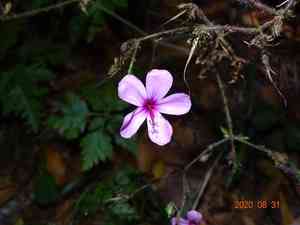
The most favorable period for relocating canary island geranium is from the beginning to the middle of spring, a time of active development. Select a site offering dappled sunlight and soil that drains effectively to foster strong rooting. If required, handle with care to protect the fragile root system.
What Preparations are Needed Before Transplanting Canary Island Geranium?
What is the Ideal Time for Transplanting Canary Island Geranium?
Moving canary island geranium during early spring leverages nature's renewal. Roots establish optimally as the soil gently warms. This period's mild weather promotes vigorous growth and post-transplant recovery.
How Much Space Should You Leave Between Canary Island Geranium Plants?
When preparing to relocate canary island geranium, plan your spacing. Each plant requires room to develop, so dig holes approximately 2-3 feet (60-90 cm) apart. This ensures each canary island geranium has ample space to flourish without competing for nutrients or water. This is a crucial initial step in your transplanting process!
What is the Best Soil Mix for Canary Island Geranium Transplanting?
For canary island geranium, you'll need a soil mixture that drains well. Enrich the soil with organic compost, which functions as a slow-release nutrient source. The correct soil ensures your canary island geranium can absorb necessary nutrients to grow beautifully and healthily.
Where Should You Relocate Your Canary Island Geranium?
Select a spot for your canary island geranium that receives a good balance of sun and shade. They enjoy sunlight, but excessive exposure can scorch their leaves. Therefore, a location with morning sun and afternoon shade would be perfect for your new plant.
What Equipments Should You Prepare Before Transplantation Canary Island Geranium?
Gardening Gloves
To safeguard your hands while handling soil and canary island geranium.
Shovel or Garden Spade
For excavating the plant and its root system from its original spot, and creating a hole in the new location.
Garden Fork
Aids in loosening the soil surrounding the roots.
Trowel
Useful for smaller tasks and ideal for adding compost to the planting hole to encourage rapid establishment.
Garden Hose or Watering Can
Necessary for hydrating the plant after relocation.
Mulch
Helps retain soil moisture and inhibits weed growth. Use organic mulch such as wood chips or straw.
How Do You Remove Canary Island Geranium from the Soil?
How Do You Remove Canary Island Geranium from the Soil?
From Ground: Start by watering the canary island geranium plant to moisten the soil, which facilitates easier removal without damaging the root system. Use a shovel or garden spade to dig a trench around the plant's root ball, being careful not to get too close and harm the roots. Work your way under the root ball gradually, retaining as much soil as possible with the roots during extraction.From Pot: Water the soil before removing the plant. Invert the pot while supporting the plant with your fingers. Use a gentle shaking motion if the plant doesn't easily slide out. Be cautious not to harm the root system or the plant stem.From Seedling Tray: If the canary island geranium plant is in a seedling tray, it's important to wait until the plant is robust enough for transplanting. Dampen the soil and carefully remove the plant from its cell, ensuring to hold the plant by its leaves to avoid damaging the stem or roots.
Step-by-Step Guide for Transplanting Canary Island Geranium
Prepare the Site
Ensure the soil is free of weeds, then dig a hole that is twice as wide and the same depth as the root system of the canary island geranium plant. Add some compost to the bottom of the hole.
Placing the Plant
Gently position the plant in the hole, making sure it is level with the garden surface. It's important that the top of the root ball is at the same level as the surrounding soil.
Filling the Hole
Backfill the hole, using the excavated soil, gently compacting it around the roots.
Watering
Thoroughly water the plant after transplanting, allowing water to penetrate the hole to eliminate air pockets.
Mulching
Apply a layer of mulch around the transplanted canary island geranium plant; this will reduce evaporation from the soil surface and deter weed growth.
Avoid Crowding
Ensure your canary island geranium plant has ample space to spread its leaves and grow; avoiding crowding allows your plant to breathe and develop healthily.
How Do You Care For Canary Island Geranium After Transplanting?
Watering
You should water the canary island geranium plant generously after transplanting to help it settle. Continue watering the newly transplanted plant more frequently than established ones for a couple of weeks, until they begin to show new growth.
Pruning
Trim away any dead or damaged parts of the plant after transplant, this helps direct the plant's energy towards new growth.
Weed Control
Regularly inspect and remove any weeds from around the plant's base. Weeds can compete with the canary island geranium plant for nutrients and water, so it's vital to keep them at bay.
Protection from Elements
Depending on the season, you might consider shielding the plant from intense sun for the first week or so, or protecting it from strong winds until it's firmly rooted.
Troubleshooting Common Issues with Canary Island Geranium Transplantation.
What's the best time to transplant canary island geranium?
The optimal period for relocating canary island geranium is during late winter or early spring, depending on your climate.
What's the ideal distance between individual canary island geranium plants?
For healthy development, maintain a spacing of 2-3 feet (60 - 90cm) between each canary island geranium plant.
Correct depth to plant the canary island geranium while transplanting?
When transplanting canary island geranium, ensure to position the plant at the same depth it was growing in its previous location.
What soil type is best for transplanting canary island geranium?
Canary island geranium prefers well-draining soil. Amend your ground with compost to improve drainage and supply nutrients.
Can I transplant canary island geranium in a pot?
Absolutely! But remember to select a pot of at least 12 inches (30cm) in diameter and ensure it has adequate drainage.
What to do if my transplanted canary island geranium starts wilting?
Your canary island geranium might require more water. Keep the soil consistently moist, especially in the initial weeks after transplanting.
Why isn't my transplanted canary island geranium blooming?
Ensure your canary island geranium receives sufficient sun, water, and nutrients to bloom. Overcrowding can also hinder blooming; check your spacing.
What to do if leaves on my transplanted canary island geranium turn yellow?
Yellowing leaves often indicate overwatering. Allow the soil to dry out slightly between waterings. If the problem persists, check for pests or diseases.
What care should I take post transplanting canary island geranium?
Water the plant thoroughly and apply mulch. Regularly monitor its health in the initial weeks, addressing any signs of distress promptly.
Should I fertilize after transplanting canary island geranium?
Wait a couple of weeks before fertilizing to prevent burning or overwhelming the roots. Use a slow-release fertilizer suitable for canary island geranium.



