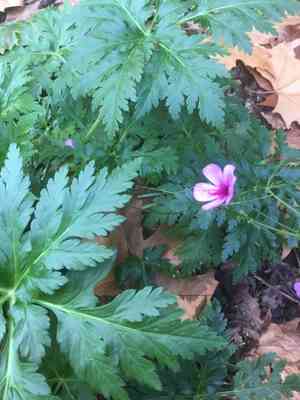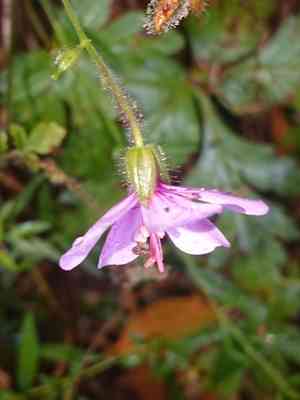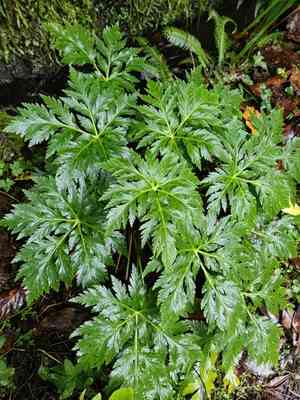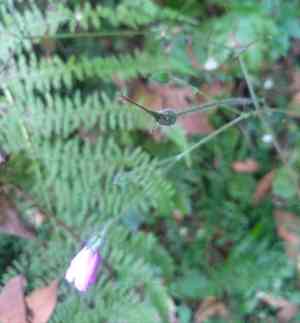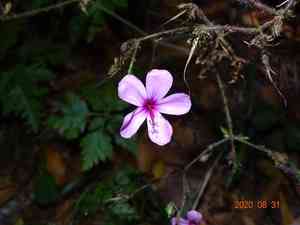
Canary island geranium(Geranium palmatum)

Canary island geranium (Geranium palmatum)

Also known as: Cut-leaved crane's-bill

The Canary Island geranium, known scientifically as Geranium canariense, is a captivating perennial plant characterized by its deeply lobed, fern-like leaves and vibrant pink to purple flowers. This plant forms a dense, bushy clump and usually grows up to 2 feet tall. The flowers, which bloom primarily in spring and summer, attract both gardeners and pollinators with their bright hues.

### Ideal Growing Conditions:
- **Sunlight**: Prefers full sun to partial shade.
- **Soil**: Requires well-draining soil with a slightly acidic to neutral pH.
- **Watering**: Needs moderate watering; let the topsoil dry out before watering again.
- **Temperature**: Best suited for mild climates and can tolerate light frost.
- **Fertilization**: Benefits from light feeding with a balanced fertilizer during the growing season.

This low-maintenance plant adds a vibrant and resilient touch to gardens, thriving best in moist, well-drained soil. Its lush foliage and abundant flowers reflect its adaptability and island origin.

Attributes of Canary island geranium

Lifespan
Perennial
Plant Type
Herb
Plant Height
61 cm to 91 cm
Spread
70 cm
Leaf Color
Green Blue
Flower Size
Up to 5 cm (2 inches)
Flower Color
Pink Purple

ForwardPlant - Identify plants with a snap

Identify and diagnose plants, get toxicity alerts, and explore safety guides for all types of fungi.

Try for Free

Images of Canary island geranium

Canary island geranium(Geranium palmatum)

Quickly Identify Canary island geranium

1
Look for deeply lobed leaves and dense clusters of bright pink or magenta flowers. The plant also exudes a distinct, somewhat pungent smell when the leaves are crushed.

Scientific Classification of Canary island geranium

Phylum
Vascular plants
Class
Dicotyledons
Order
Geraniales
Family
Geranium
Genus
Geraniums
Species
Canary island geranium

Planting and Growing of Canary island geranium

Care Difficulty
Moderate
Watering Schedule
Every 4 days
Sunlight Requirements
Partial sun
Sunshine Duration
6-10 hours
Ideal Temperature
59-77℉
Soil Type
Potting Mix, Peat Mix
Soil pH
6.5-7.5
Fertilizer Type
Balanced
Pruning Season
Spring, Summer
Pruning Area
Branches, Leaves
Pruning Frequency
2 times a year
Repotting Season
Spring
Pot Type
Ceramic, Plastic

water icon How to Water Canary island geranium?

When watering Geranium palmatum, ensure the soil is saturated but not waterlogged. The goal is to moisten the soil to a depth of about 15 centimeters. Too little water won’t penetrate deeper roots, while too much will lead to soggy conditions. Pour 250 ml of water at each watering session.
What are the symptoms of an underwatered Canary island geranium?
What should I do if my Canary island geranium is not getting enough water?
What are the symptoms of an overwatered Canary island geranium?
How to save an overwatered Canary island geranium?

sunlight icon What Are the Sunlight Requirements for Canary island geranium?

Sunlight Requirements: Partial sun
Duration of light: Four to six hours daily
Geranium palmatum thrives in partial sunlight, receiving about four to six hours of sun daily. This range promotes healthy foliage and robust flowering through balanced photosynthesis and minimized heat stress.
What is the best type of light for Geranium palmatum?
How can you ensure Geranium palmatum gets optimal lighting?
What benefits does Geranium palmatum gain from ideal lighting?

temperature icon What Is the Ideal Temperature Range for Canary island geranium?

Ideal Temperature: 59 ~ 77℉
Geranium palmatum thrives best within an ideal temperature range of 59°F to 77°F. This range supports optimal growth and flowering, providing the right balance of warmth and coolness for physiological processes.

soil icon What Soil is Best for Canary island geranium?

Soil type: Loam, Sandy loam
Soil PH: 6.5 ~ 7.5
Geranium palmatum thrives in well-draining soil, which prevents waterlogging and root rot. Good drainage ensures that roots receive adequate oxygen, promoting healthy growth and vibrant blooms. This plant prefers soil that is moderately fertile. Excess nutrients can lead to lush foliage with fewer flowers, while adequate fertility supports robust flowering and balanced plant development. While the soil should be well-drained, it should also retain adequate moisture. This balance is crucial in providing the plant with consistent hydration without drying out, supporting its lush foliage.

fertilize icon How to Fertilize Canary island geranium?

Fertilizer type: Balanced
Geranium palmatum benefits from moderate fertilization. Typically, use a balanced 10-10-10 fertilizer diluted at half strength for liquid applications. For slow-release fertilizers, use approximately 2 to 3 tablespoons per plant, ensuring the granules are spread evenly around the base, without touching the stems.

prune icon How to Prune Canary island geranium?

Pruning Time: Spring, Summer, Autumn
Before you begin, inspect the plant thoroughly to identify any damaged, diseased, or dead leaves and stems. Ensure you have a pair of clean, sharp pruning shears to make precise cuts. Cut back the stems to healthy nodes, ideally just above where you see new growth or a leaf. Remove spent flowers to promote bushier growth and prevent the plant from becoming leggy. After pruning, give your Geranium palmatum a good watering to help it deal with the stress of being cut back. Applying a balanced fertilizer can also encourage new, robust growth. More About Pruning Techniques

propagate icon How to Propagate Canary island geranium plant?

Propagate Time: Early spring, Spring
1
Start by filling a seed tray with a well-draining seed compost. Sow Geranium palmatum seeds on the surface and lightly cover them with compost. Water gently and place the tray in a bright location. Maintain a consistent temperature around 18-22°C for optimal germination.
2
Choose a healthy stem from the parent plant and use a sharp knife to cut a 10-15 cm section. Remove the lower leaves and dip the cut end into rooting hormone. Insert the cutting into well-drained soil and water lightly.
3
In early spring, dig up mature Geranium palmatum plants and carefully divide them into smaller sections, ensuring each has roots attached. Replant the divisions immediately into prepared soil and water thoroughly.
More About Propagating Techniques

repot icon How to Repot Canary island geranium plant?

Repotting frequency: Every 2 years
1
Repot Geranium palmatum when you observe roots growing out of the drainage holes or the soil drying out rapidly, indicating that the root ball has occupied much of the pot’s space. It's best to repot in spring or summer when the plant is actively growing, ensuring optimal recovery and root expansion.
2
Choose a pot that's one size larger than the current one, with sufficient drainage holes. The ideal pot allows room for growth without overwhelming the plant, which can retain too much moisture. A clay or terracotta pot is often a good option, providing breathability and helping to keep the soil temperature stable.
3
Opt for a well-draining loamy mix that retains moisture yet doesn’t stay too wet. This soil composition helps prevent root rot by allowing excess water to escape while still providing adequate moisture retention and aeration for healthy growth of your Geranium palmatum.

ForwardPlant - Identify plants with a snap

Find the best spots for them to optimize their health, simply using your phone.

Try for Free