How to Transplant Autumn dwarf gentian?
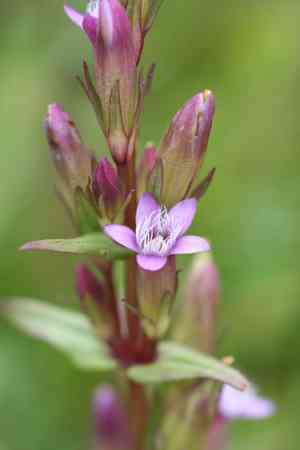
The optimal period for relocating autumn dwarf gentian is from early spring through its peak flowering phase, which guarantees strong root establishment. Select a location with good drainage, protecting autumn dwarf gentian from strong gusts, and for superior outcomes, ensure continuous soil hydration after transplantation.
What Preparations are Needed Before Transplanting Autumn Dwarf Gentian?
What is the Ideal Time for Transplanting Autumn Dwarf Gentian?
The best time to move autumn dwarf gentian is during its revitalization phase, from mid to late spring. This period aligns with its natural growth cycle, promoting strong development and ensuring roots are well-established before summer heat. Transplanting autumn dwarf gentian at this time benefits from increased daylight and milder temperatures, creating a nurturing environment for root growth and foliage. This gentle phase supports autumn dwarf gentian's early stages and prepares it for a full cycle of vigor.
How Much Space Should You Leave Between Autumn Dwarf Gentian Plants?
Hello there! For your lovely autumn dwarf gentian, aim for a comfortable spacing of approximately 6-8 inches (15-20 cm) apart. This will provide each plant ample room to thrive without feeling cramped.
What is the Best Soil Mix for Autumn Dwarf Gentian Transplanting?
Want a great start for your autumn dwarf gentian? Choose a well-drained soil mix and enhance it with a balanced fertilizer. A touch of care in the form of organic compost will give your autumn dwarf gentian a happy beginning!
Where Should You Relocate Your Autumn Dwarf Gentian?
Your autumn dwarf gentian will thrive in a location that receives partial sunlight. Find a spot that offers gentle morning sun with a touch of afternoon shade. Happy transplanting!
What Equipments Should You Prepare Before Transplantation Autumn Dwarf Gentian?
Gardening Gloves
To safeguard your hands while handling soil and plants.
Spade or Garden Trowel
For digging up the plant and placing it into the ground.
Watering Can
To gently hydrate the autumn dwarf gentian before and after its relocation.
Secateurs or Sharp Knife
To trim any damaged roots if necessary.
Measuring Tape
To ensure correct spacing between transplanted plants.
Wheelbarrow or Garden Cart
For moving the autumn dwarf gentian and soil amendments if required.
How Do You Remove Autumn Dwarf Gentian from the Soil?
How Do You Remove Autumn Dwarf Gentian from the Soil?
From Ground: First, water the autumn dwarf gentian to moisten the soil, making plant removal easier. Dig a wide circle around the autumn dwarf gentian with your spade or trowel, allowing ample space to avoid root system damage. Carefully work your tool beneath the root ball to free it from the surrounding soil and gently lift it out.From Pot: Water the autumn dwarf gentian in its pot to make the roots more flexible. Turn the pot sideways and gently tap it to loosen the soil. Cup the plant with your hands around the base of the stems, and carefully slide the root ball out of the pot. If it's stuck, run a knife or your trowel along the inside edge of the pot to help release it.From Seedling Tray: Water the tray to ensure the soil is damp. Use a trowel or your fingers to gently separate the autumn dwarf gentian from its cell, being extra careful not to harm the delicate roots. It's crucial to handle the seedling gently by the leaves rather than the stem to prevent bruising.
Step-by-Step Guide for Transplanting Autumn Dwarf Gentian
Preparing the New Site
Clear the transplant area of weeds and debris to lessen competition for resources. Loosen the soil in the new planting hole to promote easier root growth.
Digging the Hole
Excavate a hole that is twice the width of the autumn dwarf gentian's root ball but not significantly deeper than its height. This aids root expansion and nutrient access from the soil.
Transplanting
Position the autumn dwarf gentian in the center of the hole, ensuring the top of the root ball is level with the surrounding soil surface. Backfill the hole with the excavated soil, gently firming it down to eliminate air pockets.
Watering In
Thoroughly water the autumn dwarf gentian after transplanting to settle the soil around the roots and provide essential hydration for the plant to begin establishing in its new location.
How Do You Care For Autumn Dwarf Gentian After Transplanting?
Immediate Aftercare
Shield the newly transplanted autumn dwarf gentian from harsh conditions like strong winds or extreme temperatures for the initial few days. Use a windbreak or temporary shade if needed.
Monitoring Growth
Observe the autumn dwarf gentian's growth and watch for signs of stress such as wilting or discolored foliage, which could indicate too much or too little water, or root disturbance.
Continued Watering
Ensure the soil around the autumn dwarf gentian remains consistently moist to help establish strong roots. Frequency may vary with weather conditions; check soil moisture before re-watering.
Support If Needed
If the autumn dwarf gentian is tall or top-heavy, consider staking or using plant supports to prevent bending or breaking while they establish in their new location.
Troubleshooting Common Issues with Autumn Dwarf Gentian Transplantation.
Why are my autumn dwarf gentian seedlings wilting after transplant?
Wilting may be due to transplant shock. Ensure careful handling and adequate watering without overdoing it. A bit of shade can aid recovery.
Can I transplant autumn dwarf gentian in early spring or fall?
It's best to transplant autumn dwarf gentian when temperatures are mild, typically from mid to late spring, to avoid frost damage or heat stress.
How deep should I plant autumn dwarf gentian when transplanting?
Plant autumn dwarf gentian so the root ball is flush with the soil surface. Avoid burying the stem deeper than it was in its original pot.
What is the ideal spacing for autumn dwarf gentian when transplanting?
Space autumn dwarf gentian approximately 6-8 inches (15-20 cm) apart. This provides each plant sufficient room to grow without competing for resources.
How much should I water autumn dwarf gentian after transplanting?
Water autumn dwarf gentian thoroughly after transplanting to settle the soil. Afterward, keep the soil moist but not waterlogged, as overwatering can lead to rot.
Should I fertilize autumn dwarf gentian right after transplanting?
Wait a few weeks before fertilizing to allow autumn dwarf gentian to establish. Excessive fertilization can harm new roots. Use a balanced, slow-release fertilizer.
My autumn dwarf gentian are not thriving post-transplant, what could be wrong?
Inspect for root-bound plants before transplanting — roots should be gently loosened. Also, check soil pH and drainage; adjust as necessary.
How do I protect autumn dwarf gentian from pests after transplanting?
Monitor for pests regularly. Use physical barriers or organic pesticides if needed, but avoid chemical treatments that can stress the plants.
What kind of soil is best for transplanting autumn dwarf gentian?
Use well-draining soil rich in organic matter. A neutral to slightly acidic pH is ideal for autumn dwarf gentian.
Can autumn dwarf gentian be transplanted on a hot, sunny day?
It's preferable to transplant autumn dwarf gentian on a cloudy day or in the evening to reduce stress and allow the plants to establish overnight.



