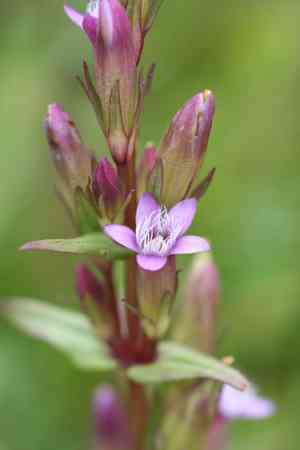
Autumn dwarf gentian (Gentianella amarella)
Also known as: Auntumn gentian, Pointed felwort, Felwort, Bitterwort
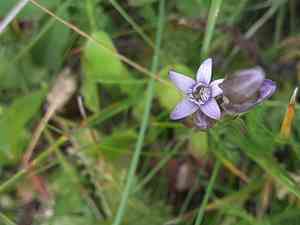
The plant you're referring to is likely the Autumn Dwarf Gentian. This small biennial herb is recognized for its distinctive barrel-shaped flowers adorned with long white hairs. It typically blooms in the autumn and is often found in fields with short grass. Additionally, it is cultivated for use in flower beds.
In This Article
Attributes of Autumn dwarf gentian
Lifespan
Annual, Biennial
Plant Type
Herb
Plant Height
5 cm to 41 cm
Spread
8 cm to 15 cm
Leaf Color
Green
Flower Size
2.5 cm
Flower Color
Pink Purple
Images of Autumn dwarf gentian
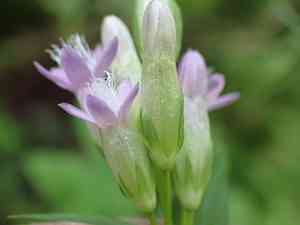
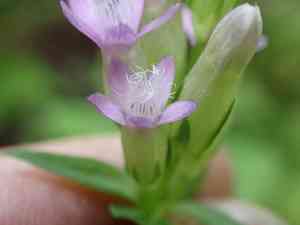
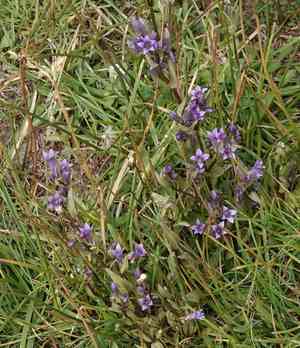
Quickly Identify Autumn dwarf gentian
1
To identify Gentianella amarella, look for its short stature, typically growing to a height of 5-30 cm. The plant has lanceolate leaves and produces small, tubular flowers that are blue to purple in color. It typically blooms from July to September.
Scientific Classification of Autumn dwarf gentian
Phylum
Vascular plants
Class
Dicotyledons
Order
Gentianales
Family
Gentian
Genus
Dwarf gentians
Species
Autumn dwarf gentian
Planting and Growing of Autumn dwarf gentian
Care Difficulty
Moderate
Watering Schedule
Every 4 days
Sunlight Requirements
Full sun
Sunshine Duration
6-12 hours
Ideal Temperature
60-75℉
Soil Type
Potting Mix, Peat Mix
Soil pH
6.5-7.5
Fertilizer Type
Balanced
Pruning Season
Spring, Summer
Pruning Area
Branches, Leaves
Pruning Frequency
2 times a year
Repotting Season
Spring
Pot Type
Plastic, Ceramic
 How to Water Autumn dwarf gentian?
Gentianella amarella appreciates a thorough watering that mimics a drenching rain, soaking the soil deeply but allowing it to dry out between waterings. Ensuring the water penetrates to the root zone helps maintain healthy growth.
What are the symptoms of an underwatered Autumn dwarf gentian?
›
What should I do if my Autumn dwarf gentian is not getting enough water?
›
What are the symptoms of an overwatered Autumn dwarf gentian?
›
How to save an overwatered Autumn dwarf gentian?
›
 What Are the Sunlight Requirements for Autumn dwarf gentian?
Gentianella amarella prefers partial to full sun, which facilitates vibrant growth, encouraging rich flowering and stronger plant structure.
More About Sunlight Requirements Techniques→
Optimal Lighting Question 1
›
Optimal Lighting Question 2
›
Optimal Lighting Question 3
›
 What Is the Ideal Temperature Range for Autumn dwarf gentian?
For optimal growth, Gentianella amarella thrives best at temperatures between 60°F and 75°F. These conditions allow the plant to perform photosynthesis efficiently, ensuring healthy development. Make sure to maintain consistency within this temperature range to prevent stress on the plant.
 What Soil is Best for Autumn dwarf gentian?
Gentianella amarella thrives in well-drained soil, preventing waterlogging which can suffocate roots and promote root rot. Ensuring good drainage helps maintain root health and supports vigorous plant growth. A nutrient-rich loam supports the growth of Gentianella amarella by providing necessary minerals for metabolic processes and energy production. Adding organic matter can improve soil fertility, benefiting the plant significantly. This plant requires soil that retains moderate moisture without becoming overly wet. Consistent moisture ensures that the plant absorbs nutrients efficiently without drying out, which stabilizes its growth cycle and bloom time.
 How to Fertilize Autumn dwarf gentian?
Gentianella amarella, also known as autumn gentian, is a plant that requires delicate attention to fertilization. Use a diluted liquid fertilizer with a ratio of 5-10-5 to avoid overwhelming its root system. Apply 150ml of this solution per plant to ensure balanced nutrient intake without risking nutrient burn.
 How to Prune Autumn dwarf gentian?
Begin by identifying any dead or weak stems. These are often characterized by a lack of foliage or discoloration. Trimming these can help redirect the plant's energy towards healthier growth. Carefully trim to shape the plant and control its height. Regular shaping not only keeps the Gentianella amarella looking tidy but also encourages a dense, bushy appearance with more flowering points. After flowering in summer, light pruning can stimulate new growth. This process can bolster plant strength, and ensure that the next bloom season is prolific and spectacular.
More About Pruning Techniques→
 How to Propagate Autumn dwarf gentian plant?
1
Collect seeds from mature Gentianella amarella plants in late autumn, ensuring they are fully ripe. Dry the seeds properly and store them in a cool, dry place until planting time.
2
In early spring, fill seed trays with a sterile potting mix and gently press the seeds onto the surface. Cover them lightly with a thin layer of sand or mix to allow light penetration, as some seeds require light to germinate.
3
Place the seeded trays in a bright, cool environment, maintaining a temperature range of 10-15°C (50-59°F). Ensure the soil remains moist but not waterlogged, facilitating consistent germination over several weeks.
 How to Repot Autumn dwarf gentian plant?
1
Signs that your Gentianella amarella needs repotting include slowed growth, the plant becoming root-bound, or water draining too quickly. Generally, it's best to repot in spring or autumn when the plant is naturally in a growth phase. Watch for roots appearing at the pot's drainage holes or soil becoming compacted as key signals.
2
Select a pot that is 1-2 inches larger than the current one and has good drainage. A slightly larger pot avoids overwhelming the roots and encourages healthy growth. Opt for clay or terracotta pots, which allow moisture to evaporate and prevent overwatering, benefitting the plant's root health.
3
Use an acidic, well-draining soil mix. Amend regular potting soil with perlite or sand to improve drainage. Such a mix mimics the plant's natural alpine habitat, providing essential aeration and avoiding root rot due to excess moisture.
Learn More About Autumn dwarf gentian Diseases
Anthracnose
Bacterial Leaf Spot
Bacterial Soft Rot
Bacterial Wilt
Crown Gall
Cyst Nematode
Damping-off
Downy Mildew
Drought Stress
Fusarium Wilt
Gray Mold
Leaf Curl
Leaf Spot
Mosaic
Nutrient Deficiency
Nutrient Toxicity
Powdery Mildew
Root Rot
Root-knot Nematode
Rusts
Sooty Mold
Spider Mites
Temperature Stress
Thrips Damage
White Mold



