How to Transplant Purple cudweed?
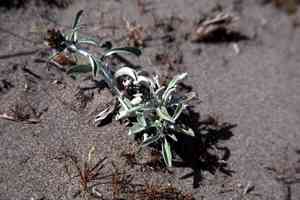
To ensure the vibrant development of purple cudweed, the ideal period for relocation is early spring, as the ground softens and nature revitalizes. Select a location offering adequate drainage and filtered sunlight, and handle the roots with care during replanting to foster robust growth.
Preparations Required Before Relocating Purple Cudweed
Optimal Period for Moving Purple Cudweed?
The best time to move purple cudweed is at the beginning of spring. This renewal period offers ideal conditions, as mild temperatures and increasing daylight promote root establishment. Relocating purple cudweed then leverages the season's natural growth surge, ensuring robust development. A helpful hint: choosing this timeframe for transplanting sets purple cudweed up for success, aligning with its natural growth cycle for maximum resilience.
Recommended Spacing Between Purple Cudweed Plants?
When moving your purple cudweed, it's vital to provide ample room for growth. Ideally, plants should be positioned approximately 1-2 feet (30.5-61 cm) apart. This spacing allows each plant to access sufficient sunlight, water, and nutrients.
Best Soil Mixture for Purple Cudweed Relocation?
Before moving your purple cudweed, prepare the soil. Purple cudweed thrives in soil that drains well. Enhance the soil with a foundational fertilizer, preferably a slow-release granular type. The nutrients in the fertilizer will gradually release into the soil, supplying essential nourishment.
Where to Replant Your Purple Cudweed?
Considering purple cudweed's light needs, select a spot that receives partial to full sunlight. This is perfect for your plant's healthy development. Avoid areas that are shaded for extended periods throughout the day.
Equipment Needed Before Transplanting Purple Cudweed
Gardening Gloves
To safeguard your hands while handling soil and the purple cudweed plant.
Spade or Shovel
For digging the new planting hole and extracting the purple cudweed plant from its current spot.
Garden Trowel
For more precise excavation if the plant is smaller.
Bucket or Container
To temporarily hold the purple cudweed plant during its transfer from the old location to the new planting site.
Watering Can or Hose
To hydrate the plant before removal and after replanting.
Organic Mulch
To apply around the base of the purple cudweed plant post-transplantation to help retain soil moisture.
How to Extract Purple Cudweed from the Ground?
How to Extract Purple Cudweed from the Ground?
From Ground: Start by watering the purple cudweed plant to moisten the soil. Then, using your shovel or spade, dig a wide circle around the plant, ensuring the plant's root ball remains intact. Work the spade beneath the root ball to lift the plant from its original position.From Pot: Water the plant, let it sit for a few minutes, then turn the pot on its side. Gently hold the purple cudweed by its stems and tap the pot's bottom until the plant slides out. Do not pull the plant out by its stems.From Seedling Tray: Water the tray to loosen the soil. Using a spoon or similar tool, carefully scoop out each purple cudweed seedling without harming its delicate roots.
Step-by-Step Guide for Relocating Purple Cudweed
Dig Hole
Using your shovel or spade, excavate a hole that is twice as wide and as deep as the purple cudweed plant's root ball.
Prepare Plant
If purple cudweed was removed from a pot or the ground, gently remove any loose soil from around the roots, being careful not to damage them. If it was a seedling, ensure it's damp and handled delicately.
Position Plant
Place the purple cudweed plant into the hole. The top of the root ball should be level with the soil surface.
Backfill Hole
Refill the hole with the excavated soil, gently firming it around the base of the purple cudweed plant.
Water
Thoroughly water the planting area, making sure the water reaches the root zone.
Mulch
Apply a layer of organic mulch around the plant's base, avoiding contact between the mulch and the plant's stem.
Post-Transplantation Care for Purple Cudweed
Watering
Provide sufficient water to the purple cudweed plant without causing waterlogged soil. Adjust irrigation frequency based on local climate and rainfall.
Pruning
Remove any withered or dead leaves from the purple cudweed plant to encourage new growth and enhance plant health.
Monitoring
Regularly observe the purple cudweed plant for any indications of stress, disease, or pest infestation. Respond promptly with appropriate actions.
Seasonal Care
Shield the purple cudweed plant from harsh weather conditions to prevent physical harm.
Resolving Common Issues with Purple Cudweed Transplantation.
When is the optimal time to transplant purple cudweed?
The best period to move your purple cudweed is during the cooler months of S1-S2. This helps ensure successful establishment and minimizes unnecessary stress on the plant.
What spacing should I maintain between purple cudweed plants when transplanting?
For optimal development, you should space purple cudweed plants 1-2 feet (30-60 cm) apart. Adequate spacing ensures each plant has sufficient resources to thrive.
What steps should I follow when transplanting purple cudweed?
Begin by digging a hole slightly wider and deeper than the pot. Next, carefully remove the purple cudweed from its pot. Place the plant in the hole, ensuring it's at the same depth as it was in the pot. Finally, cover with soil and water gently.
Should I water purple cudweed immediately after transplanting?
Absolutely! Water your purple cudweed thoroughly right after planting. This helps settle the soil around the roots and reduces transplant shock.
What should I do if my transplanted purple cudweed begins to wilt?
If your purple cudweed is wilting, it may be experiencing transplant shock. Mitigate this by keeping the soil moderately moist and protecting the plant from extreme temperatures. Be patient; it should recover over time.
How much sunlight does a transplanted purple cudweed require?
After transplanting, position your purple cudweed in a spot where it can receive full to partial sun. Insufficient sunlight can impede its growth process.
Should I fertilize purple cudweed right after transplanting?
Refrain from fertilizing newly transplanted purple cudweed for a few weeks. This allows the roots time to settle. When you do begin, use a balanced fertilizer for best results.
What kind of soil is best for transplanting purple cudweed?
Purple cudweed prefers soil that drains well. Excessively wet conditions can lead to root rot, while overly dry conditions can cause the plant to wilt. Achieving the right balance is crucial.
What's the ideal pot size for transplanting purple cudweed?
When transplanting purple cudweed, choose a pot that is slightly larger than the root ball, typically about 1-2 inches (2.5-5 cm) wider. This provides ample space for root development and aeration.
What are some common errors to avoid when transplanting purple cudweed?
Avoid transplanting purple cudweed during the wrong season or planting in waterlogged soil. Also, steer clear of over-fertilizing your plant or exposing it to extreme temperature fluctuations immediately after transplant.



