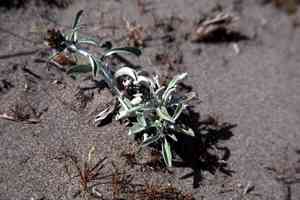
Purple cudweed (Gamochaeta purpurea)
Also known as: Purple everlasting, Spike cudweed
Canada thistle (*Cirsium arvense*) is a low-growing plant native to North America. It has become an invasive weed in many regions worldwide due to its wind-dispersed seeds. This plant features small, attractive purple flowers.
In This Article
Attributes of Purple cudweed
Lifespan
Annual, Biennial, Perennial
Plant Type
Herb
Plant Height
10 cm to 50 cm
Spread
N/A
Leaf Color
Green Blue
Flower Size
2.5 cm
Flower Color
White Yellow Brown
Images of Purple cudweed
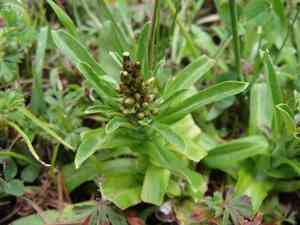
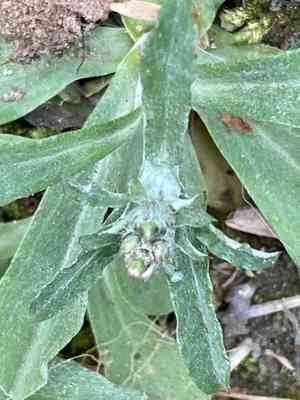
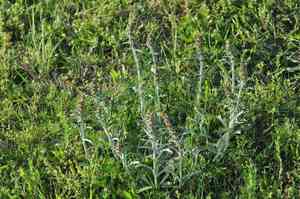
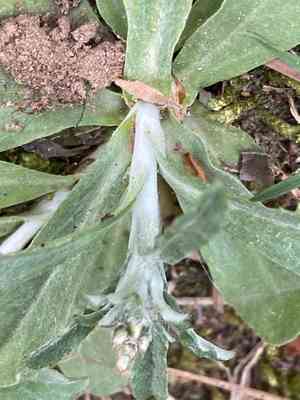
Quickly Identify Purple cudweed
1
Basal leaves with woolly texture, lance-shaped, 2-4 inches (5-10 cm) long.
2
Slender stem, erect, covered in fine hair, reaching up to 20 inches (50 cm) in height.
3
Small purple flower heads with green to purplish bracts at the top of stem.
4
Tubular flowers, white to purple, lacking ray florets, densely packed heads.
5
Tan bullet-like achenes, 0.5 mm (0.02 inches) long, with pappus bristles in a ring.
Scientific Classification of Purple cudweed
Phylum
Vascular plants
Class
Dicotyledons
Order
Asterales
Family
Daisy
Genus
Everlastings
Species
Purple cudweed
Planting and Growing of Purple cudweed
Care Difficulty
Easy
Watering Schedule
Every 2 days
Sunlight Requirements
Partial sun
Sunshine Duration
6-10 hours
Ideal Temperature
60-75℉
Soil Type
Potting Mix, Peat Mix
Soil pH
6-7.5
Fertilizer Type
Balanced
Pruning Season
Spring, Summer
Pruning Area
Branches, Leaves
Pruning Frequency
2 times a year
Repotting Season
Spring
Pot Type
Plastic, Ceramic
 How to Water Purple cudweed?
Gamochaeta purpurea, commonly known as Purple Cudweed, requires a moderate amount of water. It's essential to thoroughly moisten the soil but ensure excess water drains away, preventing root rot. Use approximately 250ml per watering.
What are the symptoms of an underwatered Purple cudweed?
›
What should I do if my Purple cudweed is not getting enough water?
›
What are the symptoms of an overwatered Purple cudweed?
›
How to save an overwatered Purple cudweed?
›
 What Are the Sunlight Requirements for Purple cudweed?
Ideal light for Gamochaeta purpurea includes both morning sunlight and afternoon shade for optimal photosynthesis and growth.
What is the best sun exposure?
›
What solutions help achieve the ideal lighting?
›
What benefits does ideal lighting provide?
›
 What Is the Ideal Temperature Range for Purple cudweed?
Gamochaeta purpurea thrives best in an ideal temperature range between 60°F to 75°F. This temperature range supports active growth and healthy development of the plant. Maintaining such temperatures ensures that the metabolic processes occur efficiently, providing the plant with optimal conditions for photosynthesis and nutrient uptake.
 What Soil is Best for Purple cudweed?
Gamochaeta purpurea thrives in well-drained soil, preventing root rot and other water-related diseases. Well-drained soil ensures that roots receive adequate air flow and reduce the risk of fungal infections, promoting healthy growth. This plant prefers soil with moderate nutrient content. While it's not overly demanding, balanced nutrients ensure robust foliage and blossom development. Utilizing a mild, organic fertilization can support its growth cycle without overloading the soil with excess nutrients. Incorporating organic matter like compost improves soil structure and moisture retention, enhancing plant vitality. Organic matter provides a slow, steady supply of essential nutrients, fostering resilience in Gamochaeta purpurea against environmental stresses.
 How to Fertilize Purple cudweed?
For Gamochaeta purpurea, it's important to use a balanced fertilizer with equal parts of nitrogen, phosphorus, and potassium. Typically, a dilution ratio of 1:10 is recommended for liquid fertilizers. For solid fertilizers, distributing about 30 grams per square meter is usually sufficient to promote healthy growth without risking nutrient burn.
 How to Prune Purple cudweed?
Ensure that your pruning tools are sharp and clean to make precise cuts and avoid introducing diseases. Begin by removing any dead or damaged leaves. Cut back the plant to promote new growth, focusing on maintaining its natural shape. Trim away overcrowded areas to improve airflow, which aids in preventing fungal diseases and encourages healthy new shoots.
 How to Propagate Purple cudweed plant?
1
Fill the seed tray with a fine seed starting mix, ensuring it is moist but not waterlogged. Smooth out the surface to ensure even planting.
2
Sprinkle the Gamochaeta purpurea seeds evenly over the soil surface. Lightly press them into the mix, but do not cover them completely as they require light to germinate.
3
Water the seeds gently using a spray bottle to avoid dislodging them. Cover the tray with a clear lid or plastic wrap to retain moisture, and ensure it has some ventilation holes to prevent mold growth.
 How to Repot Purple cudweed plant?
1
Gamochaeta purpurea should be repotted when you notice roots coming out of the drainage holes or if the plant seems to be not growing as vigorously as before. This usually occurs every one to two years as the plant outgrows its current container and requires more space to thrive. Repotting during the active growing seasons of spring and summer allows the plant to recover and establish more effectively in its new pot.
2
Select a pot that is one or two inches larger in diameter than the current one to allow growth, but not excessively large, ensuring proper moisture control. A pot with drainage holes is crucial to prevent overwatering, aiding in keeping the roots healthy and promoting better growth. This careful selection ensures that the plant has just enough space to grow without being prone to waterlogging, thus providing a balanced environment for its development.
3
Opt for a well-draining potting mix that contains organic materials such as peat moss or coconut coir, supplemented with perlite or sand to improve aeration. This type of soil ensures that the roots receive adequate air circulation and that excess moisture drains away efficiently, reducing the risk of root rot and promoting robust plant health. The right soil mix will also provide essential nutrients for growth, helping the plant to establish well in its new pot.



