How to Transplant Narrowleaf goldshower?
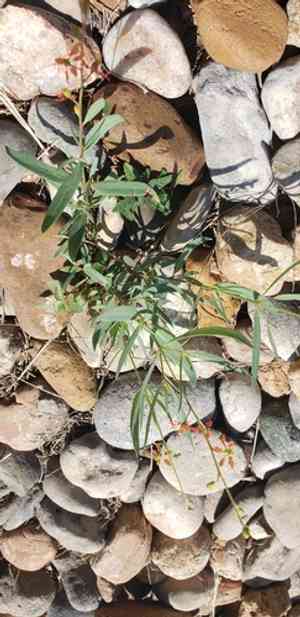
To achieve the best outcomes, relocate narrowleaf goldshower during the vibrant phase of early to late spring, leveraging its period of vigorous development. Select a bright, adequately draining spot for superior rooting. Verify that the soil structure and moisture levels are preserved throughout the transfer process.
What Preparations are Needed Before Transplanting Narrowleaf Goldshower?
What is the Ideal Time for Transplanting Narrowleaf Goldshower?
For narrowleaf goldshower, the optimal period for relocation is early to late spring. This timeframe allows the perennial to establish its root system prior to the intense summer heat, promoting vigorous development. Moving the plant during this season also minimizes shock and maximizes its blooming potential, providing ample time for adaptation and flourishing in its new spot.
How Much Space Should You Leave Between Narrowleaf Goldshower Plants?
When relocating narrowleaf goldshower, ensure each plant is positioned 24-36 inches (60-90 cm) apart. This spacing provides ample room for growth and air circulation, aiding in the plants' prosperity.
What is the Best Soil Mix for Narrowleaf Goldshower Transplanting?
For narrowleaf goldshower, select a soil mixture that drains effectively. Enhance it with a foundational fertilizer suitable for perennials. Incorporate compost or aged manure into the soil to supply vital nutrients for robust, healthy plants.
Where Should You Relocate Your Narrowleaf Goldshower?
Narrowleaf goldshower thrives in a sunny location. Confirm the chosen spot receives at least 6 hours of direct sunlight daily. Sufficient light will support vibrant growth and abundant flowering.
What Equipments Should You Prepare Before Transplantation Narrowleaf Goldshower?
Gardening Gloves
To safeguard your hands while handling soil and plants.
Shovel or Spade
For excavating around the plant and creating a new planting site.
Garden Trowel
Used for more precise digging and planting tasks.
Watering Can or Hose
To maintain soil moisture before and after relocation.
Compost or Organic Matter
To enrich the soil in the new planting area.
Mulch
To assist in retaining moisture around the recently transplanted plant.
How Do You Remove Narrowleaf Goldshower from the Soil?
How Do You Remove Narrowleaf Goldshower from the Soil?
From Ground: First, hydrate the narrowleaf goldshower plant to moisten the soil. Next, excavate a wide trench around the plant using a shovel or spade, ensuring the plant's root ball remains intact. Carefully maneuver the spade beneath the root ball to lift the plant from its initial position.From Pot: Thoroughly water the narrowleaf goldshower plant to loosen the soil. Invert the pot and gently tap the bottom while supporting the plant with your other hand. Once the plant begins to emerge, carefully ease the root ball out of the pot.From Seedling Tray: Ensure the soil is damp. Use a garden trowel or your hands to gently lift each seedling, taking care not to harm the roots. Lift the plant by its root ball, not the stem, to prevent damage.
Step-by-Step Guide for Transplanting Narrowleaf Goldshower
Plant Preparation
Thoroughly water the narrowleaf goldshower plant in its original spot before moving it. This facilitates easier lifting and minimizes root damage.
Dig the New Hole
At the new site, excavate a hole that is twice as wide and equally deep as the narrowleaf goldshower's root ball. Ensure the hole's sides are loose to allow for root expansion.
Amend the Soil
Incorporate compost or organic matter into the soil removed from the hole. This enriches the soil and aids the narrowleaf goldshower's roots in establishing quickly.
Place the Plant
Carefully position the narrowleaf goldshower in the center of the hole. Confirm that the top of the root ball is level with or slightly above the ground surface. Backfill the hole halfway with soil and gently press down to eliminate air pockets.
Water the Plant
Pour water into the half-filled hole to help settle the soil around the roots. Once the water has drained, continue filling the hole with the remaining soil, and press it down gently.
Apply Mulch
Spread a layer of mulch around the base of the narrowleaf goldshower, leaving space around the stem to prevent rot. This helps maintain moisture and regulate soil temperature.
How Do You Care For Narrowleaf Goldshower After Transplanting?
Watering
Keep the soil around the narrowleaf goldshower consistently moist, but not waterlogged, for the initial weeks post-transplant to encourage strong root development.
Monitoring
Observe for indications of transplant shock, such as wilting or yellowing foliage. Adjust irrigation and provide shade if necessary to assist the plant's recovery.
Fertilizing
Once the narrowleaf goldshower has settled and begun new growth, you can nourish it with a balanced, slow-release fertilizer to support its development.
Pruning
Remove any dead or damaged leaves to stimulate new growth and prevent disease.
Troubleshooting Common Issues with Narrowleaf Goldshower Transplantation.
When is the best time to transplant narrowleaf goldshower?
The optimal time to transplant narrowleaf goldshower is during early to late spring for best growth.
How much space should I leave between each narrowleaf goldshower?
Ensure to space each narrowleaf goldshower 24-36 inches (60-91 cm) apart for proper growth.
How do I prepare the soil for transplanting narrowleaf goldshower?
Prepare well-draining soil with added compost to enrich nutrients before transplanting narrowleaf goldshower.
What should I do if leaves turn yellow after transplanting narrowleaf goldshower?
Yellow leaves may indicate stress. Ensure the plant is adequately watered but not overwatered.
How deep should I plant narrowleaf goldshower?
Plant narrowleaf goldshower at the same depth it was in its original container; avoid planting too deep.
Why does my narrowleaf goldshower look wilted after transplanting?
Wilting is often due to transplant shock. Keep the soil consistently moist to help recovery.
Should I mulch around my transplanted narrowleaf goldshower?
Yes, applying mulch helps retain moisture and regulates soil temperature around narrowleaf goldshower.
How much water does narrowleaf goldshower need after transplanting?
Water the newly transplanted narrowleaf goldshower thoroughly, ensuring the soil remains moist but not waterlogged.
What should I do if narrowleaf goldshower is not growing after transplanting?
Check soil drainage, sunlight exposure, and provide balanced fertilizer if needed to encourage growth.
Is pruning recommended after transplanting narrowleaf goldshower?
Light pruning can help reduce stress and encourage healthy growth after transplanting narrowleaf goldshower.



