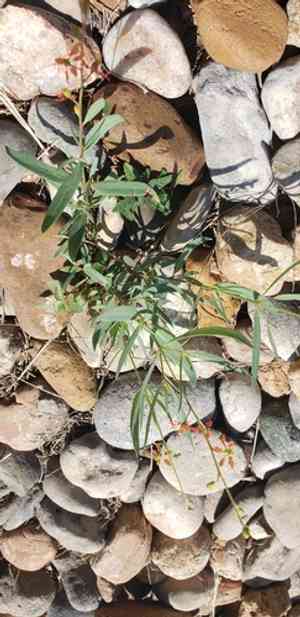
Narrowleaf goldshower (Galphimia angustifolia)
Also known as: Golden Thryallis, Galphimia, Shower-of-Gold
Yellow Bells, also known as Tecoma stans, is a hardy shrub admired for its delicate, small yellow flowers that prosper in dry, tropical environments. Its vibrant, trumpet-shaped blooms stand out against slender, dark green foliage. This adaptable plant thrives in various soil types and flourishes in full sunlight, making it a perfect choice for rocky landscapes and garden settings. With its continuous blooming, Yellow Bells attract numerous pollinators throughout the year.
In This Article
Attributes of Narrowleaf goldshower
Lifespan
Perennial
Plant Type
Shrub
Plant Height
0 mm to 30 cm
Spread
1 to 1.5 meters (3.3 to 4.9 feet)
Leaf Color
Green
Flower Size
2 to 3 centimeters
Flower Color
Bright Yellow
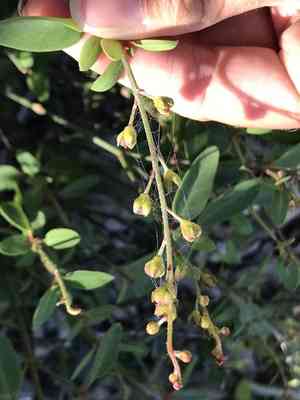
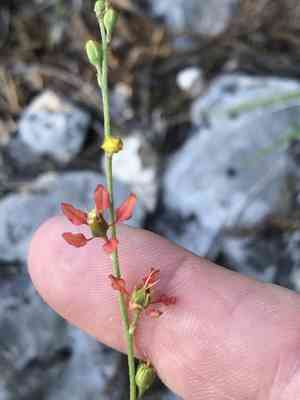
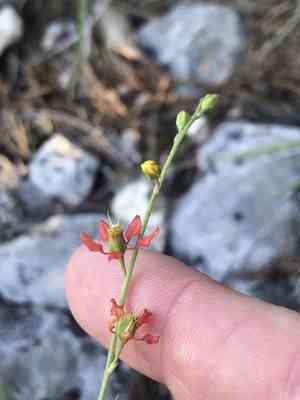
Images of Narrowleaf goldshower
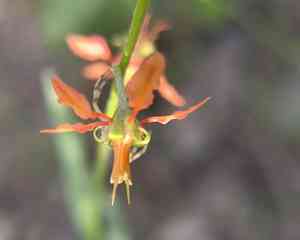
Quickly Identify Narrowleaf goldshower
1
Galphimia angustifolia can be identified by its narrow, lanceolate leaves and its profusion of small, bright yellow flowers that bloom throughout the year. The plant has an upright, bushy growth habit.
Scientific Classification of Narrowleaf goldshower
Phylum
Vascular plants
Class
Dicotyledons
Order
Malpighiales
Family
Barbados cherry
Genus
Galphimia
Species
Narrowleaf goldshower
Planting and Growing of Narrowleaf goldshower
Care Difficulty
Easy
Watering Schedule
Every 3 days
Sunlight Requirements
Full sun
Sunshine Duration
6-10 hours
Ideal Temperature
65-75℉
Soil Type
Potting Mix, Peat Mix
Soil pH
6.5-7.5
Fertilizer Type
Balanced
Pruning Season
Spring, Summer
Pruning Area
Branches, Leaves
Pruning Frequency
2 times a year
Repotting Season
Spring
Pot Type
Plastic, Ceramic
 How to Water Narrowleaf goldshower?
Galphimia angustifolia enjoys a moderate amount of water. Aim to provide around 300 ml per session, ensuring the soil remains moist but not soggy. This amount helps maintain optimal growth without waterlogging the roots.
What are the symptoms of an underwatered Narrowleaf goldshower?
›
What should I do if my Narrowleaf goldshower is not getting enough water?
›
What are the symptoms of an overwatered Narrowleaf goldshower?
›
How to save an overwatered Narrowleaf goldshower?
›
 What Are the Sunlight Requirements for Narrowleaf goldshower?
Galphimia angustifolia flourishes best under conditions that offer full to partial sunlight. Ideally, this plant benefits from receiving sunlight for several hours in the morning or late afternoon. Such exposure ensures healthy development and robust floral displays.
How much light does Galphimia angustifolia need?
›
What are the best solutions for achieving ideal light?
›
What are the benefits of ideal lighting?
›
 What Is the Ideal Temperature Range for Narrowleaf goldshower?
Galphimia angustifolia thrives best when the temperature stays between 65°F and 75°F. This range provides the optimal conditions for its metabolism, allowing photosynthesis and other vital processes to occur efficiently. Maintaining this temperature range helps ensure the plant’s health and longevity.
 What Soil is Best for Narrowleaf goldshower?
Galphimia angustifolia thrives in soil that offers excellent drainage, preventing water stagnation that could lead to root rot. Ensuring a well-draining medium facilitates better aeration, promoting robust root growth and overall plant health. This plant prefers soil with moderate fertility, which should be rich in organic matter. The nutrients provide essential elements that support vigorous growth and vibrant blooms, making it a standout addition to any garden. The ideal pH range of 6.5 to 7.5 ensures that nutrients are optimally available for absorption, enhancing the plant's physiological processes and boosting its resistance to stress and diseases.
 How to Fertilize Narrowleaf goldshower?
The amount of fertilizer for Galphimia angustifolia should be moderate, ensuring that the soil can absorb nutrients without becoming waterlogged. Typically, use a balanced liquid fertilizer diluted to half strength, about 10 ml per liter of water, for each application. For slow-release fertilizer, use around 20 grams per plant per application.
 How to Prune Narrowleaf goldshower?
Identify overgrown branches that disrupt the plant's shape. Trim back those branches by about one-third of their length to manage size. Make your cuts just above a leaf node to promote new growth in the desired direction. Look for any dead, damaged, or diseased branches and remove them entirely. Make your cuts well into healthy wood and dispose of the pruned material properly to prevent the spread of diseases. Encourage good air circulation by thinning out stems at the center of the plant. This reduces the plant's vulnerability to fungal diseases and allows light to penetrate, boosting overall plant health. While pruning, maintain the desired shape of the plant, especially during spring and summer when it is actively growing. This will ensure the plant sets a lot of flower buds for a more vigorous bloom.
More About Pruning Techniques→
 How to Propagate Narrowleaf goldshower plant?
1
Harvest seeds from mature pods of Galphimia angustifolia when they are dry. After collection, clean and dry the seeds before storing them in a cool, dry place until planting.
2
Select healthy stems from the parent plant and cut sections of about 4-6 inches in length. Remove any leaves from the lower half to enable better root development.
3
Plant seeds in the seed tray and press lightly into the soil. Alternatively, place cuttings into a moist potting mix. Water lightly to initiate the process of germination or root growth.
 How to Repot Narrowleaf goldshower plant?
1
Repot when the roots start emerging from the drainage holes or when the plant seems to outgrow its current pot size. This ensures room for healthy root expansion and optimal nutrient uptake.
2
Select a pot that is one size larger than the current one. Ensure it has adequate drainage holes to prevent waterlogging. This choice supports proper root growth and prevents root rot.
3
Use a well-draining potting mix specially formulated for shrubs or small trees. The mix should allow excess water to flow through quickly, preventing root rot while retaining essential moisture.
Learn More About Narrowleaf goldshower Diseases
Anthracnose
Bacterial Leaf Spot
Bacterial Soft Rot
Bacterial Wilt
Black Spot
Chemical Injury
Crown Gall
Cyst Nematode
Damping-off
Downy Mildew
Drought Stress
Fusarium Wilt
Gray Mold
Leaf Curl
Leaf Spot
Mosaic
Nutrient Deficiency
Nutrient Toxicity
Powdery Mildew
Root Rot
Root-knot Nematode
Rusts
Sooty Mold
Spider Mites
Temperature Stress
Thrips Damage
White Mold



