How to Transplant Southern cleavers?
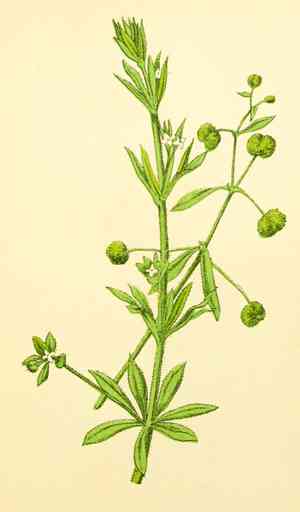
The most favorable period for relocating southern cleavers is during the mild, pleasant weather from the end of spring to the beginning of summer, which guarantees vigorous development. Select a sunny spot that offers excellent drainage. When moving the plant, proceed gently to safeguard its fragile root system.
Essential Preparations Before Relocating Southern Cleavers
Optimal Timing for Southern Cleavers Relocation?
The best time to move southern cleavers is at the onset of warmer weather, post-frost, as days lengthen. Transplanting southern cleavers during this period encourages vigorous development, thanks to mild temperatures and increased daylight, vital for the plant to settle in its new spot. This season signifies fresh starts and provides southern cleavers with prime conditions for confident rooting and flourishing.
Recommended Spacing Between Southern Cleavers Plants?
Hello, gardening enthusiast! Before placing your southern cleavers in their new home, let's ensure they have ample personal space. Aim to position each plant approximately 4-6 inches (10-15 cm) from its neighbors. This spacing allows for healthy growth without competition for nutrients or sunlight.
Ideal Soil Mixture for Southern Cleavers Transplanting?
For your southern cleavers, let's prepare the ground with care and attention. A well-draining, loamy soil will be most beneficial. Prior to planting, enrich the soil with a balanced, slow-release fertilizer to provide a nourishing start. Your southern cleavers will show their appreciation with vibrant growth!
Choosing the New Location for Your Southern Cleavers?
Sunlight benefits southern cleavers, but not excessively! Select a location where your plants can enjoy partial sunlight. Too much direct sun can be overwhelming for them. A spot with filtered light, such as beneath a sparse tree canopy, would be perfect.
Equipment Needed Before Transplanting Southern Cleavers
Gardening Gloves
To safeguard your hands while handling soil and plants.
Trowel or Shovel
For excavating the plant and preparing the new planting site.
Watering Can or Hose
To hydrate the plant before and after its relocation.
Pruning Shears
To trim any dead or superfluous plant parts.
Garden Fork
To loosen the soil around the plant's root system when extracting it from its original spot.
Wheelbarrow or Plant Pot
To move the plant from one place to another if necessary.
Mulch
To help maintain soil moisture around the plant after it has been transplanted.
Method for Extracting Southern Cleavers from Soil
Method for Extracting Southern Cleavers from Soil?
From Ground: Gently moisten the area around the southern cleavers to soften the soil. Use a garden fork to loosen the earth, taking care not to harm the roots. Slide a shovel or trowel beneath the root ball and carefully lift to remove the plant with its root system as intact as possible.From Pot: Water the southern cleavers to dampen the soil, facilitating easier removal of the plant. Invert the pot and gently tap the bottom, or lightly press the sides to help release the plant. Grasp the plant's base and carefully ease it out while supporting the root ball.From Seedling Tray: Water the tray to moisten the soil, allowing for easier root release. Use a spoon or a dibber to scoop beneath the soil of the individual seedling to lift it out with minimal root disturbance.
Step-by-Step Guide for Relocating Southern Cleavers
Preparation
Before extracting the southern cleavers from its current spot, ensure the new planting area is prepared to receive the plant.
Digging the Hole
At the new site, excavate a hole that is twice the width of the southern cleavers's root ball but only as deep, to prevent planting the specimen too low.
Root Care
Gently untangle any circling roots to promote outward growth and trim any damaged roots with pruning shears.
Planting Position
Center the southern cleavers in the hole. The top of the root ball should be flush with the surrounding soil surface.
Backfilling
Carefully refill the hole with soil, gently patting it down to eliminate air pockets without overly compacting the earth.
Watering
Thoroughly water the southern cleavers to settle the soil and hydrate the roots, being careful not to wash away soil from the plant's base.
Mulching
Apply a layer of mulch around the base of the southern cleavers, keeping it clear of the stem to prevent moisture-related issues.
Post-Transplant Care for Southern Cleavers
Consistent Watering
Ensure the southern cleavers receives sufficient water to keep the soil moist, especially during the initial weeks, to aid root establishment.
Monitoring
Observe for indications of stress such as wilting or discolored foliage and adjust care as needed.
Weeding
Regularly remove any weeds around the southern cleavers to prevent competition for nutrients and water.
Support
If the southern cleavers is tall or susceptible to wind damage, consider providing staking or other forms of support to help it remain upright.
Protection
Depending on the season, be ready to shield the southern cleavers from extreme temperatures, pests, or diseases using appropriate methods.
Resolving Common Issues with Southern Cleavers Transplantation.
Why are my transplanted southern cleavers wilting?
Wilting can stem from disturbance during transplanting. Handle roots gently and water immediately after relocation.
How often should I water southern cleavers after transplanting?
Water your southern cleavers generously right after transplanting, then 1-2 times weekly, depending on soil moisture and weather conditions.
What's the best time to transplant southern cleavers?
The most favorable time is the transition from late spring to early summer, providing a more hospitable environment for root establishment.
How deep should I plant southern cleavers?
Plant southern cleavers so the root ball is level with the surrounding soil to prevent stem rot or drying out.
What spacing is required between southern cleavers plants?
Space southern cleavers approximately 4-6 inches (10-15 cm) apart to allow each plant room for growth and nutrient access.
Can I transplant southern cleavers on a hot, sunny day?
It's preferable to transplant on a cloudy day or in the evening to minimize transplant shock and water loss.
What signs indicate southern cleavers ready for transplant?
Southern cleavers should have developed roots but not be root-bound. Look for sturdy growth without overcrowding in containers.
Why are the leaves of my southern cleavers turning yellow after transplant?
Yellowing might occur due to transplant shock or overwatering. Keep soil moist but not saturated, and it should recover.
Should I add fertilizer when transplanting southern cleavers?
It's not crucial initially, but after a couple of weeks, a balanced, diluted fertilizer can stimulate growth. Avoid excessive fertilization.
Can I transplant southern cleavers in clay soil?
Yes, but amend heavy clay soil with compost to enhance drainage and texture, creating a better environment for southern cleavers's roots.



