How to Transplant Scotch mist?
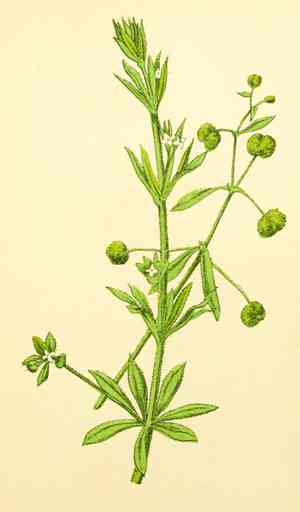
Scotch mist flourishes when relocated between early and late spring, a period of peak vitality. Provide a site with good drainage and partial shade to sustain its enduring characteristics. Minimize root disturbance to encourage successful integration.
What Preparations are Needed Before Transplanting Scotch Mist?
What is the Ideal Time for Transplanting Scotch Mist?
The best period for relocating scotch mist, a perennial, spans from early to late spring. This timing allows the plant to establish its root system in mild conditions, promoting vigorous development. Planting scotch mist during this window maximizes root expansion and nutrient absorption before the stresses of summer heat or winter cold, resulting in healthier, more robust plants.
How Much Space Should You Leave Between Scotch Mist Plants?
When moving scotch mist, position each plant approximately 12-18 inches (30-45 cm) apart. This spacing provides ample room for growth and ensures good air circulation, contributing to their health and vitality.
What is the Best Soil Mix for Scotch Mist Transplanting?
Prepare soil that drains well and has a pH ranging from slightly acidic to neutral (6-7). Incorporate organic compost or a balanced base fertilizer to enrich the soil before transplanting scotch mist. This supplies crucial nutrients for strong growth.
Where Should You Relocate Your Scotch Mist?
Scotch mist thrives in conditions ranging from partial to full shade. Select a location where the plant will receive filtered sunlight or be shaded for most of the day, shielding it from intense midday sun.
What Equipments Should You Prepare Before Transplantation Scotch Mist?
Gardening Gloves
To safeguard your hands while working with the soil and plant material.
Trowel
For digging and shifting small quantities of soil, particularly in confined areas.
Shovel or Spade
Utilized for excavating larger holes and extracting plants from the ground.
Pruning Shears
To trim any damaged or excess roots and foliage.
Watering Can or Garden Hose
To hydrate the plant before and after its relocation.
Wheelbarrow or Bucket
For moving plants from their original spot to the new site.
Mulch
To help retain moisture around the plant's base post-transplanting.
How Do You Remove Scotch Mist from the Soil?
How Do You Remove Scotch Mist from the Soil?
From the Ground: First, moisten the scotch mist plant's soil. This facilitates easier digging and helps keep the root ball intact. Use a shovel to dig a wide circle around the plant, ensuring sufficient depth to encompass the root ball. Gently lift the plant from the ground, taking care not to harm the roots.From a Pot: Water the scotch mist plant thoroughly the day prior to transplanting to aid in easy root removal. Carefully tilt the pot on its side and tap the edges to loosen the soil. Gently slide the plant out, supporting the root ball to prevent it from breaking apart.From a Seedling Tray: Water the scotch mist seedlings to ensure their roots are well-hydrated. Use a small trowel or your fingers to carefully lift each seedling from the tray. Be cautious to keep as much of the root system intact as possible.
Step-by-Step Guide for Transplanting Scotch Mist
Preparation
Prepare the new planting site by digging a hole twice as wide and as deep as the scotch mist plant's root ball. Have all necessary tools and equipment ready before beginning.
Lifting the Plant
Following the instructions for plant removal, carefully lift the scotch mist from its initial location.
Inspection
Examine the root system and trim any damaged or overly long roots using pruning shears.
Plant Placement
Position the scotch mist plant in the center of the hole. The top of the root ball should be level with or slightly above the ground surface in its new spot.
Filling the Hole
Backfill the hole with soil, gently pressing down around the roots to eliminate air pockets. Ensure the plant stands upright and is not leaning.
Watering
Thoroughly water the plant to help settle the soil around its roots.
Mulching
Apply a layer of mulch around the base of the scotch mist to conserve moisture and suppress weeds.
How Do You Care For Scotch Mist After Transplanting?
Watering
Maintain consistent moisture in the soil around the scotch mist, avoiding sogginess, for the initial weeks post-transplant to encourage strong root development.
Monitoring
Regularly check the plant for any indications of stress or disease. Address any emerging issues promptly.
Support
For taller plants, consider using stakes or other support structures to help them remain upright as they establish themselves in their new environment.
Nutrient Boost
A light application of a balanced, slow-release fertilizer can aid new growth after a few weeks of recovery.
Troubleshooting Common Issues with Scotch Mist Transplantation.
When is the best time to transplant scotch mist?
The optimal period for relocating scotch mist is from early spring to late spring.
How far apart should I space scotch mist plants?
Space scotch mist plants approximately 12-18 inches (30-45 cm) apart for ideal growth.
What soil conditions does scotch mist prefer?
Scotch mist thrives in well-draining, moderately fertile soil with a pH that is slightly acidic to neutral.
How deep should I plant scotch mist roots?
Plant scotch mist roots just deep enough to cover the root ball, roughly 2 inches (5 cm).
How much water does scotch mist need after transplanting?
Water scotch mist thoroughly after transplanting, keeping the soil consistently moist but not waterlogged.
What kind of sunlight does scotch mist need?
Scotch mist prefers partial to full sun, receiving at least 4-6 hours of sunlight daily.
How to avoid transplant shock in scotch mist?
Prevent transplant shock by watering adequately, minimizing root disturbance, and transplanting during cool, overcast weather.
Should I fertilize scotch mist during transplanting?
Use a balanced fertilizer or compost when transplanting to provide scotch mist essential nutrients.
What should I do if scotch mist wilts after transplanting?
If scotch mist wilts, ensure adequate soil moisture, reduce transplant shock with shading, and water deeply.
Can scotch mist handle transplanting in hot weather?
Avoid transplanting scotch mist in hot weather; aim for early morning or evening in cooler conditions.



