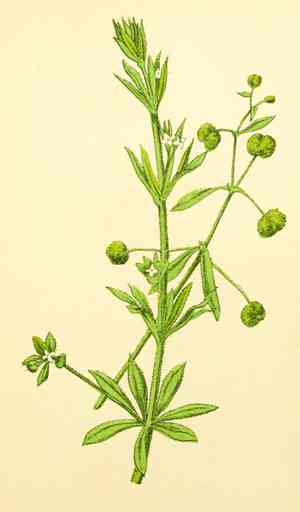
Scotch mist (Galium sylvaticum)
Also known as: Wood Bedstraw, Forest Bedstraw
The plant has become naturalized in various parts of North America, including states like Maine, Vermont, Massachusetts, Connecticut, New York, Michigan, Illinois, Wisconsin, Washington, Oregon, and the province of Ontario. It frequently inhabits man-made or disturbed environments, as well as forest peripheries, meadows, and open fields.
In This Article
Attributes of Scotch mist
Lifespan
Perennial
Plant Type
Herb
Plant Height
20-60 cm
Spread
Typically less than 30 cm
Leaf Color
Dark green
Flower Size
Approximately 0.5 cm
Flower Color
White
Images of Scotch mist
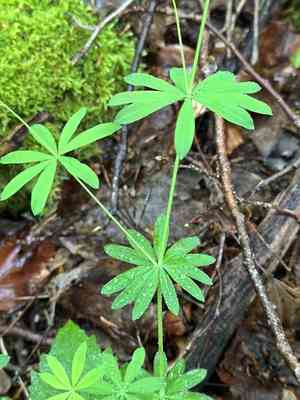
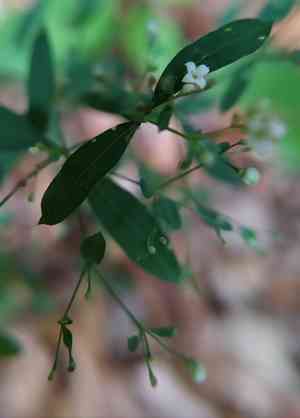
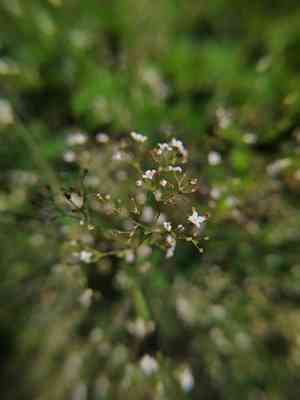
Quickly Identify Scotch mist
1
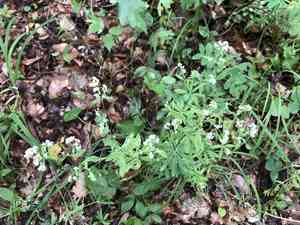
You can identify Galium sylvaticum by its small, star-shaped, white flowers and whorled leaf arrangement. The leaves are typically arranged in groups of six to eight around the stem. It tends to form a low, spreading mat or clump.
Scientific Classification of Scotch mist
Phylum
Vascular plants
Class
Dicotyledons
Order
Gentianales
Family
Madder
Genus
Bedstraws
Species
Scotch mist
Planting and Growing of Scotch mist
Care Difficulty
Easy
Watering Schedule
Every 2 days
Sunlight Requirements
Partial sun
Sunshine Duration
6-10 hours
Ideal Temperature
60-75℉
Soil Type
Potting Mix, Peat Mix
Soil pH
6.5-7.5
Fertilizer Type
Balanced
Pruning Season
Spring, Summer
Pruning Area
Branches, Leaves
Pruning Frequency
2 times a year
Repotting Season
Spring
Pot Type
Plastic, Ceramic
 How to Water Scotch mist?
For Galium sylvaticum, a general rule of thumb is to ensure the soil is moist but never soggy. Water around 200 milliliters per session, ensuring it penetrates the soil evenly, reaching down to the roots but avoiding a waterlogged condition.
What are the symptoms of an underwatered Scotch mist?
›
What should I do if my Scotch mist is not getting enough water?
›
What are the symptoms of an overwatered Scotch mist?
›
How to save an overwatered Scotch mist?
›
 What Are the Sunlight Requirements for Scotch mist?
Galium sylvaticum thrives best in partial sun. This light range supports healthy growth by allowing the plant to photosynthesize efficiently without risking sun damage.
What is the best light condition for Galium sylvaticum?
›
How can I ensure Galium sylvaticum gets its ideal lighting?
›
What benefits does ideal lighting bring to Galium sylvaticum?
›
 What Is the Ideal Temperature Range for Scotch mist?
The ideal temperature range for Galium sylvaticum is between 60°F and 75°F. This moderate range supports the plant’s physiological processes, enabling optimal cell function and nutrient uptake. At these temperatures, photosynthesis and respiration occur efficiently, helping the plant maintain its vigor and produce healthy flowers and foliage.
 What Soil is Best for Scotch mist?
Galium sylvaticum thrives in well-draining soil, which prevents water from pooling around its roots. This is crucial for avoiding root rot and ensuring oxygen reaches the roots, promoting healthier growth. The plant prefers nutrient-rich soil, offering a balance of essential minerals that help maintain its lush green foliage and promote blossoming. A soil rich in organic material is ideal for optimal growth. While this plant appreciates some moisture, it does best in soil that retains a moderate amount of water without becoming waterlogged. This balance supports steady growth and prevents stress from drought conditions.
 How to Fertilize Scotch mist?
Galium sylvaticum generally requires moderate fertilization. Typically, use a balanced fertilizer with a ratio of 10-10-10. For liquid fertilizers, dilute to half the recommended dosage on the label, applying approximately 100 ml per plant each session. Solid fertilizers can be spread around the base at about a tablespoon per plant annually.
 How to Prune Scotch mist?
Begin by observing the plant to identify any dead or damaged stems. Use clean and sharp pruning shears to cut these stems back to the base. This encourages new, healthy growth. Trim back long, leggy stems to maintain a compact shape by cutting just above a leaf node. During peak growth seasons, you can also pinch off the stem tips to promote denser foliage. Always ensure your tools are sanitized to prevent disease spread. Galium sylvaticum can grow quite tall. To maintain its desired shape and size, regularly prune excess growth to the desired height. Cut back stems at varying lengths to maintain a natural look. If the plant becomes unruly, consider a more substantial cutback at the beginning of the growing season. Always aim to maintain an open center to improve airflow, reducing the risk of fungal diseases.
More About Pruning Techniques→
 How to Propagate Scotch mist plant?
1
Sow the seeds of Galium sylvaticum in a seed tray filled with well-draining potting mix. Lightly cover the seeds with soil and water gently. Place the tray in a warm, well-lit area to encourage germination.
2
Choose healthy, non-flowering stems from the parent plant for cuttings. Use sharp pruners to take 10-15cm long cuttings, ensuring that each has a few sets of leaves.
3
Remove the lower leaves from each cutting and dip the cut end in rooting hormone powder. This promotes quicker root development when planted in soil or a growing medium.
 How to Repot Scotch mist plant?
1
Galium sylvaticum, also known as Woodruff, signals the need for repotting when its roots begin to circle the pot interior or break through drainage holes. Performing this task during its active growing seasons—spring or summer—optimizes recovery and growth. Ensure the plant appears full and healthy before the switch.
2
Select a pot that is one size larger than its current home to provide adequate space for root expansion. Terracotta pots are ideal because they allow for better aeration, reducing the risk of root rot. Ensure the pot features several drainage holes to prevent water stagnation.
3
Use a well-draining potting mix comprised of peat, perlite, and pine bark to support nutrient exchange and moisture retention. This mix prevents compaction and offers an ideal environment for fragile roots to flourish, promoting a robust and healthy plant.



