How to Transplant Bracted bedstraw?
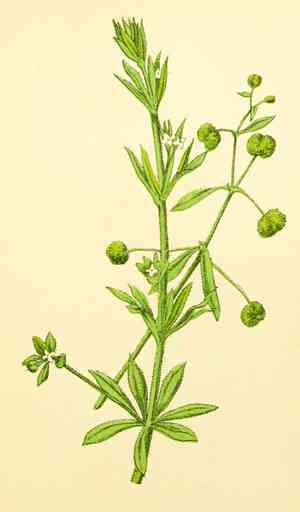
Galium bracteatum flourishes when relocated in late spring or early summer, benefiting from ideal soil temperature and humidity. Select a location receiving full sun to partial shade, featuring soil that drains effectively. Ensure the chosen area replicates its native environment.
What Preparations are Needed Before Transplanting Bracted Bedstraw?
What is the Ideal Time for Transplanting Bracted Bedstraw?
Bracted bedstraw, a perennial, flourishes when moved in mid-to-late spring or early summer. This period benefits from moderate temperatures and consistent moisture, encouraging robust root development. Transplanting at these times allows the plant to establish itself before summer heat or winter cold, improving its overall growth and resilience.
How Much Space Should You Leave Between Bracted Bedstraw Plants?
For bracted bedstraw, aim for a spacing of 12-24 inches (30-60 cm) between each plant to give them ample room to grow and thrive without overcrowding.
What is the Best Soil Mix for Bracted Bedstraw Transplanting?
Prepare well-draining soil enriched with organic matter like compost or aged manure. Adding a balanced base fertilizer before transplanting is advisable to give bracted bedstraw a good start.
Where Should You Relocate Your Bracted Bedstraw?
Choose a location for bracted bedstraw where it can receive full sun to partial shade, ensuring it gets at least 4-6 hours of sunlight daily for optimal growth.
What Equipments Should You Prepare Before Transplantation Bracted Bedstraw?
Gardening Gloves
To protect your hands while working with the soil and plant.
Shovel or Spade
For digging the planting hole and lifting the plant out from its original location.
Trowel
For finer digging work and dealing with smaller plants.
Watering Can or Hose
For watering the plant before and after transplanting.
Wheelbarrow
For transporting the plant if the original and new locations are far apart.
Pruners
For trimming any damaged or extra roots and shoots.
How Do You Remove Bracted Bedstraw from the Soil?
How Do You Remove Bracted Bedstraw from the Soil?
From Ground: First, water the bracted bedstraw plant to dampen the soil. Then, dig a wide trench around the plant using a shovel or spade, ensuring the plant's root ball remains intact. Carefully work the spade under the root ball to lift the plant from its original location.From Pot: Water the bracted bedstraw plant thoroughly before removing it. Gently squeeze the sides of the pot to loosen the soil, then carefully slide the plant out, ensuring the root ball stays intact.From Seedling Tray: Water the tray to ease removal. Use a trowel or your fingers to carefully lift the bracted bedstraw seedling, making sure not to damage the roots. Holding it by the leaves or root ball helps prevent stem damage.
Step-by-Step Guide for Transplanting Bracted Bedstraw
Prepare the New Location
Dig a hole that is about twice the width and the same depth as the root ball of your bracted bedstraw plant.
Insert the Plant
Place the bracted bedstraw plant into the center of the hole. Make sure the top of the root ball is level with the surrounding ground.
Backfill the Hole
Carefully fill the hole with soil, gently pressing it down to remove air pockets as you go along.
Water Thoroughly
After planting, water the bracted bedstraw thoroughly to help settle the soil and hydrate the plant.
Mulch
Apply a layer of mulch around the base of the plant to help retain moisture and regulate soil temperature.
How Do You Care For Bracted Bedstraw After Transplanting?
Watering
Keep the soil around the bracted bedstraw consistently moist, but not soggy, for the first few weeks after transplanting to help establish strong roots.
Mulching
Regularly check the mulch for signs of decomposition and replenish as needed to maintain a consistent layer.
Pruning
Remove any dead or damaged leaves and stems to encourage healthy growth.
Monitoring
Keep an eye out for signs of stress, such as wilting or yellowing leaves, and address any issues promptly. Providing some shade during the hottest part of the day initially can help the plant adjust.
Troubleshooting Common Issues with Bracted Bedstraw Transplantation.
When is the best time to transplant bracted bedstraw?
Mid to late spring or early summer is ideal for transplanting bracted bedstraw.
How much space should I leave when transplanting bracted bedstraw?
Space bracted bedstraw plants 12-24 inches (30-60 cm) apart for optimal growth.
What type of soil is suitable for bracted bedstraw?
Bracted bedstraw prefers well-draining soil with a neutral to slightly acidic pH.
How should I prepare the soil for bracted bedstraw?
Loosen the soil to a depth of 12 inches (30 cm) and mix in compost.
How should I handle bracted bedstraw roots during transplanting?
Be gentle with the roots, ensuring they remain moist and undamaged.
What to do if bracted bedstraw leaves wilt after transplanting?
Keep the soil consistently moist and provide temporary shade to reduce stress.
How deep should I plant bracted bedstraw seedlings?
Plant bracted bedstraw seedlings so their base is level with the surrounding soil.
How often should I water bracted bedstraw after transplanting?
Water bracted bedstraw regularly, ensuring the soil remains evenly moist but not waterlogged.
What can I do to protect bracted bedstraw from pests?
Use natural pest repellents and regularly inspect for signs of infestation.
How can I ensure bracted bedstraw establishes well in its new location?
Mulch around bracted bedstraw to retain moisture and control weeds, and monitor for any stress signs.



