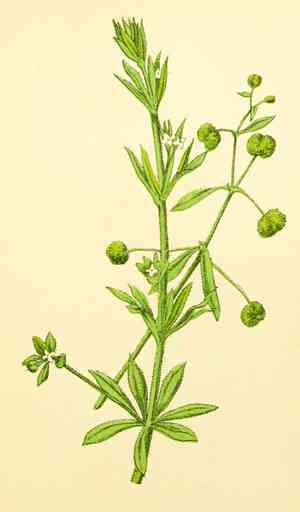
Bracted bedstraw (Galium microphyllum)
Also known as: Smallleaf Bedstraw
Galium laevigatum is a relatively tall species within its genus, capable of growing upright to heights of up to 1.1 meters. It often propagates through stolons that spread along the ground surface. The plant features leaves arranged in whorls of 6 to 8, each lance-shaped and reaching lengths of up to 8 centimeters. Its white flowers are clustered in a sizable terminal panicle.
In This Article
Attributes of Bracted bedstraw
Lifespan
Perennial
Plant Type
Herb
Plant Height
10-30 cm (4-12 inches)
Spread
Approximately the same width as height, forming low mats
Leaf Color
Green
Flower Size
1-2 mm
Flower Color
White
Images of Bracted bedstraw
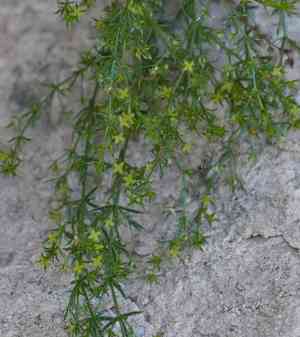
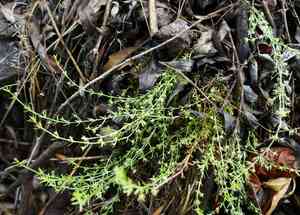
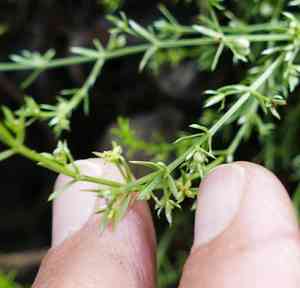
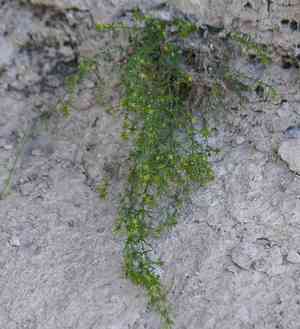
Quickly Identify Bracted bedstraw
1
Identify Galium microphyllum by its small, linear leaves arranged in whorls of 4 to 6 and tiny white flowers with four petals. It often forms low, mat-like growths.
Scientific Classification of Bracted bedstraw
Phylum
Vascular plants
Class
Dicotyledons
Order
Gentianales
Family
Madder
Genus
Bedstraws
Species
Bracted bedstraw
Planting and Growing of Bracted bedstraw
Care Difficulty
Moderate
Watering Schedule
Every 3 days
Sunlight Requirements
Partial sun
Sunshine Duration
4-6 hours
Ideal Temperature
59-77℉
Soil Type
Potting Mix, Peat Mix
Soil pH
6.5-7.5
Fertilizer Type
Balanced
Pruning Season
Spring, Summer
Pruning Area
Branches, Leaves
Pruning Frequency
Once a year
Repotting Season
Spring
Pot Type
Plastic, Ceramic
 How to Water Bracted bedstraw?
For Galium microphyllum, water until the soil is evenly moist but not soggy. This plant enjoys a moderate amount of water, where around 250 milliliters per session is sufficient. The goal is to maintain moist soil without any excess water remaining at the bottom of the pot, especially to avoid root rot.
What are the symptoms of an underwatered Bracted bedstraw?
›
What should I do if my Bracted bedstraw is not getting enough water?
›
What are the symptoms of an overwatered Bracted bedstraw?
›
How to save an overwatered Bracted bedstraw?
›
 What Are the Sunlight Requirements for Bracted bedstraw?
Partial sun to full shade conditions are ideal for Galium microphyllum, allowing it to photosynthesize effectively while avoiding stress. This range supports vibrant foliage and robust health, which is vital for the plant's longevity.
How much sunlight does Galium microphyllum need?
›
What are the solutions for achieving ideal lighting?
›
What are the benefits of ideal light conditions for this plant?
›
 What Is the Ideal Temperature Range for Bracted bedstraw?
For the optimal growth of Galium microphyllum, maintaining a temperature range of 59°F to 77°F is crucial. This range supports the best metabolic activity and photosynthesis rate, which are essential for the plant’s healthy growth and flowering. Temperatures within this interval also help in maintaining appropriate soil moisture levels and nutrient uptake.
 What Soil is Best for Bracted bedstraw?
Galium microphyllum thrives in well-drained soils that prevent waterlogging, which can lead to root rot. The plant's fine root system benefits greatly from soils that allow excess water to flow away, preserving aeration and promoting healthy root growth. This plant requires a balanced supply of nutrients in its soil. It prefers soils that are neither too rich nor too poor in nutrient content. A moderate level of nutrients supports steady growth and foliage development without the risk of excessive growth or nutrient burn. Galium microphyllum enjoys soil that can maintain a certain level of moisture without becoming soggy. Appropriate moisture retention helps in sustaining the plant through dry spells, ensuring it receives consistent water supply for optimal health.
 How to Fertilize Bracted bedstraw?
For Galium microphyllum, the fertilizer amount needs to be carefully measured. Generally, use a balanced liquid fertilizer diluted to half-strength. Apply approximately 100ml per plant to avoid any risk of nutrient burn or deficiency.
 How to Prune Bracted bedstraw?
Begin your pruning session by removing dead or diseased branches. This encourages healthy growth and allows the plant to focus its energy on developing robust, healthy shoots. Trim back unruly branches to keep the plant tidy. Aim for a natural shape while ensuring that the plant remains compact and aesthetically pleasing, without cutting too deeply into mature wood.
More About Pruning Techniques→
 How to Propagate Bracted bedstraw plant?
1
Start by selecting a suitable seedbed or containers filled with moist, well-draining soil. This helps seeds to germinate efficiently, ensuring healthy initial growth.
2
Collect seeds from mature Galium microphyllum plants, ensuring they are dry and viable. Sow the seeds just below the surface of the soil and lightly cover them with a thin soil layer.
3
Choose healthy, disease-free sections of the plant for cuttings. Use your shears to cut 3-5 inch pieces from the stem. Remove any leaves near the bottom to prepare for planting.
 How to Repot Bracted bedstraw plant?
1
Galium microphyllum requires repotting when you notice its roots starting to circle the pot or poke through the drainage holes. Another indicator is when the soil dries out quickly after watering. Repotting during the active growing seasons, like spring or autumn, can help the plant rebound stress-free.
2
Opt for a pot that's only a size larger than the current one. Ensure it has sufficient drainage holes to prevent waterlogging, which can lead to root rot. A breathable material like terracotta is preferable as it allows the soil to dry evenly, benefiting the root system.
3
Choose a well-draining, organic mix rich in nutrients. The blend should allow excess water to flow out easily, preventing root suffocation. Organic matter improves soil structure, providing necessary nutrients while promoting good aeration for root health.
Learn More About Bracted bedstraw Diseases
Anthracnose
Bacterial Leaf Spot
Bacterial Soft Rot
Bacterial Wilt
Black Spot
Chemical Injury
Crown Gall
Cyst Nematode
Damping-off
Downy Mildew
Drought Stress
Fusarium Wilt
Gray Mold
Leaf Curl
Leaf Spot
Mosaic
Nutrient Deficiency
Nutrient Toxicity
Powdery Mildew
Root Rot
Root-knot Nematode
Rusts
Sooty Mold
Spider Mites
Temperature Stress
Thrips Damage
White Mold



