How to Transplant Shining bedstraw?
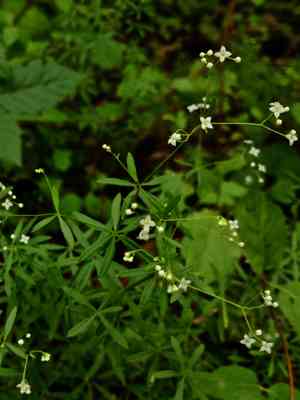
Galium lucidum flourishes when relocated from the beginning to the middle of spring, benefiting from ideal soil temperature and hydration. Select a brightly illuminated spot with some shade for superior outcomes. Verify that the site possesses soil with good drainage to facilitate rapid root establishment.
What Preparations are Necessary Before Relocating Shining Bedstraw?
What is the Ideal Period for Relocating Shining Bedstraw?
Shining bedstraw should ideally be moved from early to mid-spring. This timing ensures optimal soil moisture and temperatures, which encourage robust root development. Transplanting at this time allows shining bedstraw to fully benefit from spring growth cycles, enhancing its chances for healthy development and flowering throughout its perennial lifespan.
How Much Space Should You Provide Between Shining Bedstraw Plants?
When relocating shining bedstraw, it's best to space them 12-18 inches (30-45 cm) apart. This provides each plant ample room to grow and ensures good air circulation, which helps prevent disease.
What is the Best Soil Mixture for Shining Bedstraw Relocation?
For shining bedstraw, prepare well-draining soil enriched with organic compost. Incorporating a balanced, slow-release fertilizer can support vigorous growth. Ensure the soil is slightly acidic to neutral, with a pH between 6.0 and 7.0.
Where Should You Replant Your Shining Bedstraw?
Select a site for shining bedstraw that receives full sun to partial shade. If you reside in a warmer climate, partial afternoon shade can help shield the plant from intense heat.
What Equipment Should You Prepare Before Relocating Shining Bedstraw?
Gardening Gloves
To safeguard your hands while handling soil and plants.
Shovel or Spade
For excavating and lifting the plant with its root ball intact.
Hand Trowel
For smaller, more precise digging and planting tasks.
Watering Can or Hose
To thoroughly hydrate the plant before and after relocation.
Pruning Shears
For trimming any damaged roots or foliage.
Mulch
To help retain moisture and regulate soil temperature around the newly planted specimen.
How Do You Extract Shining Bedstraw from the Soil?
How Do You Extract Shining Bedstraw from the Soil?
From Ground: First, water the shining bedstraw plant to moisten the soil. Then, dig a wide trench around the plant using a shovel or spade, ensuring the plant's root ball remains undisturbed. Carefully work the spade beneath the root ball to lift the plant from its original spot.From Pot: Gently tap the sides of the container to loosen the soil. Carefully slide the plant out, supporting the root ball with your hand. Be sure to handle the plant gently to avoid damaging the roots.From Seedling Tray: Water the seedlings to make the soil easier to manage. Use a hand trowel to gently lift each seedling from the tray, taking care to preserve as much of the root system as possible.
Step-by-Step Guide for Relocating Shining Bedstraw
Preparation of New Site
Dig a hole in the new location that is twice as wide and just as deep as the root ball of your shining bedstraw plant.
Soil Preparation
Loosen the soil at the bottom of the hole and, if necessary, mix in some compost to enrich the soil.
Planting the shining bedstraw
Place the shining bedstraw into the hole, ensuring the top of the root ball is level with the surrounding soil. Fill in the hole with soil, lightly compacting it to eliminate air pockets.
Watering
Water the newly relocated shining bedstraw thoroughly to help settle the soil and reduce transplant shock.
Application of Mulch
Spread a layer of mulch around the base of the shining bedstraw, keeping it a few inches away from the stem to prevent rot.
How Do You Care For Shining Bedstraw After Relocation?
Watering
Keep the soil around the shining bedstraw consistently moist, but not waterlogged, for the first few weeks after relocation to help establish strong roots.
Monitoring
Check the plant regularly for signs of stress or disease, and remove any damaged foliage to encourage healthy growth.
Protection
Consider using a small protective barrier to shield the newly relocated shining bedstraw from harsh wind or extreme weather conditions until itâs well-established.
Troubleshooting Common Issues with Shining Bedstraw Relocation.
When is the best season to relocate shining bedstraw?
The best time to relocate shining bedstraw is from early spring to mid-spring for optimal growth.
How much space should I leave between shining bedstraw plants?
Ensure a spacing of 12-18 inches (30-45 cm) between shining bedstraw plants to allow for proper growth.
What should I do if shining bedstraw looks wilted after relocating?
Ensure the soil is moist but not soggy. Wilting often occurs from transplant shock or insufficient watering.
How can I prepare the soil before relocating shining bedstraw?
Mix compost into the soil to enrich it and ensure good drainage before planting shining bedstraw.
What depth should I plant shining bedstraw?
Plant shining bedstraw at the same depth it was growing in its previous location for best results.
How do I protect shining bedstraw from transplant shock?
Water thoroughly after relocating and apply a layer of mulch to retain moisture and reduce stress.
What type of soil is best for shining bedstraw?
Shining bedstraw thrives in well-draining soil with a slightly acidic to neutral pH for optimal growth.
How often should I water shining bedstraw after relocating?
Water shining bedstraw regularly, keeping the soil consistently moist but not waterlogged to promote healthy root establishment.
Can I relocate shining bedstraw in full sun or partial shade?
Shining bedstraw prefers full sun to light shade, so choose a location with ample sunlight for best growth.
What should I do if pests attack shining bedstraw after relocating?
Inspect shining bedstraw regularly. If pests are found, treat with an appropriate organic insecticide or remove pests manually.



