How to Transplant Narrowleaf hempnettle?
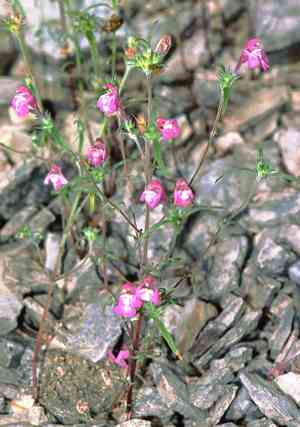
The optimal period for relocating narrowleaf hempnettle spans from late winter's end to the vibrant onset of spring, fostering vigorous development for this yearly plant. Choose a sunny spot featuring adequately draining earth to suit narrowleaf hempnettle's requirements.
What Preparations are Needed Before Transplanting Narrowleaf Hempnettle?
What is the Ideal Time for Transplanting Narrowleaf Hempnettle?
The optimal period for relocating narrowleaf hempnettle is during the revitalizing season, from the first bird songs until flower buds appear. Moving narrowleaf hempnettle at this time allows roots to establish in cooler soil, providing a head start before summer heat. You'll observe narrowleaf hempnettle thriving with ample time to settle, benefiting from gentle sun and consistent rainfall. This strategic timing ensures narrowleaf hempnettle has a full season to flourish, promising a vibrant presence in your garden.
How Much Space Should You Leave Between Narrowleaf Hempnettle Plants?
When arranging your narrowleaf hempnettle, aim for a gap of 6-8 inches (15-20 cm) between each specimen. This provides sufficient room for each to develop without overcrowding its neighbors.
What is the Best Soil Mix for Narrowleaf Hempnettle Transplanting?
Prepare a soil that drains effectively and is rich in organic material for your narrowleaf hempnettle. Incorporate a balanced, slow-release fertilizer to give your plants a robust beginning. A 10-10-10 (NPK) ratio is generally suitable.
Where Should You Relocate Your Narrowleaf Hempnettle?
Select a sunny location where your narrowleaf hempnettle will receive at least 6 hours of daily sunlight. A spot with some afternoon shade will also be advantageous, particularly in warmer climates.
What Equipments Should You Prepare Before Transplantation Narrowleaf Hempnettle?
Gardening Gloves
To safeguard your hands while handling soil and plants.
Hand Trowel
For excavating small holes and gently removing plants from containers or trays.
Shovel or Spade
For digging larger holes in the ground and extracting plants.
Garden Fork
To loosen the soil surrounding the plant's root system.
Pruning Shears
To trim any damaged roots or stems.
Watering Can or Hose
To hydrate the narrowleaf hempnettle before and after transplanting to maintain soil moisture.
Wheelbarrow or Plant Dolly
To transport the narrowleaf hempnettle and heavy soil.
Plant Tags or Labels
To keep track of where the narrowleaf hempnettle is transplanted, especially when moving multiple plants.
Soil Amendment
To enrich the transplant hole if the existing soil requires improvement, distinct from fertilizer or specific soil types.
How Do You Remove Narrowleaf Hempnettle from the Soil?
How Do You Remove Narrowleaf Hempnettle from the Soil?
From Ground: First, moisten the narrowleaf hempnettle to dampen the soil. Use a shovel or spade to dig a wide trench around the plant, being careful not to harm the root ball. Gently insert the spade beneath the root ball and lift the narrowleaf hempnettle from the ground.From Pot: Thoroughly water the narrowleaf hempnettle. Tilt the pot sideways and gently tap or squeeze the sides to loosen the root ball. If the plant remains stuck, slide a hand trowel around the inner edge to help free the roots before tipping the plant out.From Seedling Tray: Water the seedlings to ensure the soil is damp. Carefully separate the individual narrowleaf hempnettle seedlings using a hand trowel or your fingers, taking care not to damage the delicate roots.
Step-by-Step Guide for Transplanting Narrowleaf Hempnettle
Transplant Timing
Determine the best time for transplanting narrowleaf hempnettle, which is either in the early morning or late afternoon to avoid the hottest part of the day.
Watering Before Transplant
Water the narrowleaf hempnettle thoroughly the day before transplanting to ensure the roots are well hydrated.
Digging the Hole
Excavate a hole in the ground using your shovel or spade that is twice as wide as the root ball and of similar depth to allow space for root expansion.
Placing the Plant
Carefully position the narrowleaf hempnettle in the center of the hole at the same depth it was previously growing. Gently spread out the roots if it is pot-bound.
Backfilling the Hole
Gradually refill the hole with the excavated soil, lightly compacting it around the root ball to eliminate any large air pockets.
Watering After Transplant
Water the narrowleaf hempnettle thoroughly immediately after transplanting to settle the soil around the roots and help reduce transplant shock.
Labeling the Plant
Use plant tags or labels to mark the location where you've transplanted the narrowleaf hempnettle, especially if you're working with multiple plants to prevent confusion as they grow.
How Do You Care For Narrowleaf Hempnettle After Transplanting?
Initial Watering
For the first couple of weeks, keep the soil around the narrowleaf hempnettle consistently moist, avoiding excessive watering that can lead to waterlogged conditions.
Mulching
Apply a layer of mulch around the narrowleaf hempnettle to help retain moisture, regulate soil temperature, and reduce weed competition.
Monitoring for Pests
Regularly inspect the narrowleaf hempnettle for signs of pests and diseases, taking prompt action if necessary.
Support Structures
If the narrowleaf hempnettle becomes tall or top-heavy, consider using stakes or other support structures to prevent it from toppling.
Patience during Establishment
Understand that narrowleaf hempnettle might require some time to adapt to its new location. Be patient and provide consistent care.
Troubleshooting Common Issues with Narrowleaf Hempnettle Transplantation.
What's the best time to transplant narrowleaf hempnettle?
Transplant narrowleaf hempnettle during its prime season in early to mid-spring for optimal growth.
How far apart should I space narrowleaf hempnettle when transplanting?
Give narrowleaf hempnettle room to flourish by spacing them 6-8 inches (15-20 cm) apart.
Can I transplant narrowleaf hempnettle on a rainy day?
Yes, a cloudy or mild rainy day is ideal as it reduces stress on narrowleaf hempnettle.
Why is my narrowleaf hempnettle wilting after transplanting?
Wilting can indicate transplant shock; ensure proper watering and avoid full sun initially.
Should I fertilize narrowleaf hempnettle when transplanting?
Wait a few weeks post-transplant before gradually introducing a balanced fertilizer.
What soil type is best for transplanting narrowleaf hempnettle?
Use well-draining soil rich in organic matter to promote healthy rooting for narrowleaf hempnettle.
How do I prepare narrowleaf hempnettle for transplanting?
Gently loosen the root ball and hydrate the plant well a day before moving narrowleaf hempnettle.
How deep should I plant narrowleaf hempnettle in the new location?
Transplant narrowleaf hempnettle at the same depth it was growing in its previous container.
How much should I water narrowleaf hempnettle after transplanting?
Water thoroughly after transplanting, then maintain consistent moisture without waterlogging.
When can I expect narrowleaf hempnettle to recover from transplanting shock?
With proper care, narrowleaf hempnettle should begin to establish and show growth in a couple of weeks.



