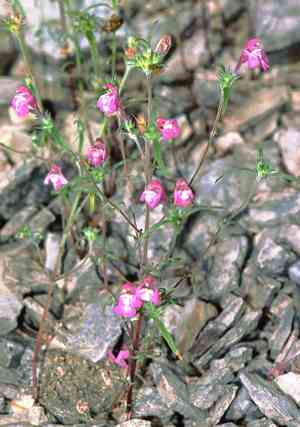
Narrowleaf hempnettle (Galeopsis angustifolia)
Also known as: Red Hemp-nettle
Narrowleaf hempnettle typically grows in rocky terrains, open spaces, and wastelands. It used to be a common agricultural weed, but the transition to winter-sown crops in its habitats has marginalized this late-flowering species. Additionally, the increased application of fertilizers and herbicides has further reduced its populations.
In This Article
Attributes of Narrowleaf hempnettle
Lifespan
Annual
Plant Type
Herb
Plant Height
10 to 30 cm
Spread
Not applicable as it is an herbacious plant.
Leaf Color
Green
Flower Size
Approximately 1 cm
Flower Color
Purple
Images of Narrowleaf hempnettle
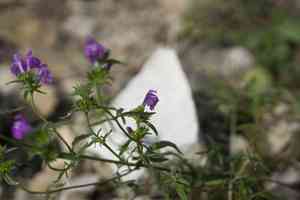
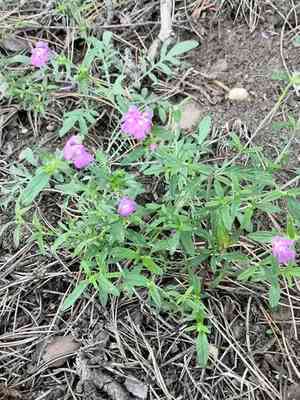
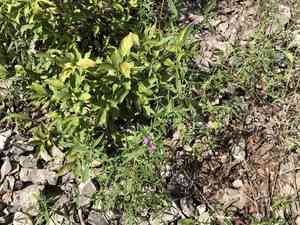
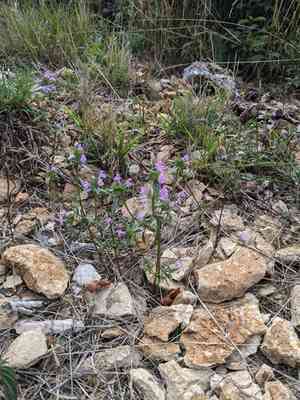
Quickly Identify Narrowleaf hempnettle
1
Look for narrow, lanceolate leaves and small, tubular flowers that are pink to purple in color. The stems are typically hairy and may have a reddish tinge.
Scientific Classification of Narrowleaf hempnettle
Phylum
Vascular plants
Class
Dicotyledons
Order
Lamiales
Family
Mint
Genus
Hemp-nettle
Species
Narrowleaf hempnettle
Planting and Growing of Narrowleaf hempnettle
Care Difficulty
Easy
Watering Schedule
Every 2 days
Sunlight Requirements
Full sun
Sunshine Duration
4-8 hours
Ideal Temperature
68-75℉
Soil Type
Potting Mix, Peat Mix
Soil pH
6.5-7.5
Fertilizer Type
Balanced
Pruning Season
Spring, Summer
Pruning Area
Branches, Leaves
Pruning Frequency
2 times a year
Repotting Season
Spring
Pot Type
Terracotta, Plastic
 How to Water Narrowleaf hempnettle?
Galeopsis angustifolia thrives with measured watering—about 200 ml each time is ideal. The goal is to keep the soil consistently damp but not waterlogged, ensuring that excess moisture can drain away to prevent root rot.
What are the symptoms of an underwatered Narrowleaf hempnettle?
›
What should I do if my Narrowleaf hempnettle is not getting enough water?
›
What are the symptoms of an overwatered Narrowleaf hempnettle?
›
How to save an overwatered Narrowleaf hempnettle?
›
 What Are the Sunlight Requirements for Narrowleaf hempnettle?
Galeopsis angustifolia ideally requires full to partial sunlight, spanning 4 to 6 hours daily. Proper light exposure strengthens its stems, supporting structural integrity and enhancing flowering capacity, which is crucial for its ecological roles.
What is the best position for Galeopsis angustifolia?
›
How much direct sunlight is necessary?
›
What are the signs of insufficient sunlight?
›
 What Is the Ideal Temperature Range for Narrowleaf hempnettle?
The ideal temperature range for Galeopsis angustifolia is between 68°F and 75°F. Within this range, the plant can effectively perform photosynthesis, maintain optimal physiological processes, and sustain healthy growth. Ensuring the temperature remains within this range helps avoid stress and promotes vibrant flowering.
 What Soil is Best for Narrowleaf hempnettle?
Galeopsis angustifolia thrives in well-drained soils which help prevent root rot and other waterlogging issues, promoting healthy root systems for optimal growth. While not overly demanding, this plant benefits from soils that are not too poor in nutrients, ensuring sufficient growth and vibrant leaf production. It can tolerate slightly alkaline conditions, which broaden the range of suitable planting locations and make it ideal for areas with calcareous soils.
 How to Fertilize Narrowleaf hempnettle?
For Galeopsis angustifolia, an appropriate fertilization amount involves applying a balanced liquid fertilizer diluted to half strength. Avoid over-fertilizing; a gentle feeding approach is beneficial, considering its natural growth in nutrient-poor habitats.
 How to Prune Narrowleaf hempnettle?
While it's important to keep the plant tidy, avoid cutting back more than one-third of the plant's foliage at a time. Excessive pruning can lead to stress, reducing growth and flowering potential. Be vigilant for any signs of disease or pest infestations during pruning. Removing affected parts promptly can prevent the spread of issues throughout the plant.
More About Pruning Techniques→
 How to Propagate Narrowleaf hempnettle plant?
1
Fill the trays with a seed starter mix, ensuring it's evenly distributed without being compacted, as a light texture aids root growth. Water the mix lightly to ensure it is moist but not waterlogged before planting the seeds.
2
Distribute the seeds evenly across the surface of the seed starter mix. Cover them lightly with additional mix; seeds like Galeopsis angustifolia don't require deep sowing. Aim for a depth twice the size of the seed.
3
Place the trays in a location with indirect sunlight and consistent temperatures between 68-75°F (20-24°C). Use a clear cover or plastic wrap to retain moisture and warmth, removing it once seeds have sprouted.
 How to Repot Narrowleaf hempnettle plant?
1
Watch for roots growing through the drainage holes, top-heavy growth, or slow draining soil. These are key indicators that your Galeopsis angustifolia is ready for a new pot.
2
Select a pot slightly larger than the current one with adequate drainage holes. The slight increase in size gives roots room to grow, prevents waterlogging, and supports healthy development.
3
Opt for a well-draining sandy soil mix. This type of soil mimics its natural habitat, promotes air circulation for roots, and prevents water retention which could lead to root rot.
Toxicity
Ingestion
WARNING
The judgment on toxicity and danger is for reference only. We DO NOT GUARANTEE any accuracy of such judgment. Therefore, you SHALL NOT rely on such judgment. It is IMPORTANT TO SEEK PROFESSIONAL ADVICE in advance when necessary.



