How to Transplant Field star of bethlehem?
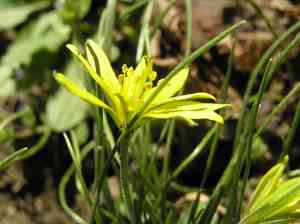
The most favorable period for relocating field star of bethlehem is as the mild temperatures of late spring transition into the onset of summer, allowing for smooth adjustment. Preferred spots offer partial sun exposure, encouraging vigorous development. Should it be required, amending the soil before the transfer can enhance the outcome.
What Preparations are Needed Before Transplanting Field Star Of Bethlehem?
What is the Ideal Time for Transplanting Field Star Of Bethlehem?
The optimal period for relocating field star of bethlehem falls between the conclusion of late blooms and the onset of summer. During this transitional phase, field star of bethlehem experiences ideal weather and stable growing conditions. Moving and re-establishing field star of bethlehem at this time allows roots to comfortably settle before the intensity of high summer heat. A helpful tip - this is your prime opportunity to give field star of bethlehem a new home for vigorous development!
How Much Space Should You Leave Between Field Star Of Bethlehem Plants?
For your beautiful field star of bethlehem, it's important to provide ample room to thrive! Aim to position them approximately 3-4 inches apart (7.6-10.2 cm). This ensures they have sufficient space to grow and won't compete for nutrients or sunlight.
What is the Best Soil Mix for Field Star Of Bethlehem Transplanting?
Let's prepare a welcoming environment for your field star of bethlehem! Choose well-draining soil enriched with organic matterâsuch as compost or a balanced fertilizer. A strong foundation is crucial, so incorporate some fertilizer before planting to give your field star of bethlehem a robust start.
Where Should You Relocate Your Field Star Of Bethlehem?
Your field star of bethlehem enjoys soaking up the sun, much like we do! Find a location that offers partial to full sunlight. Consider a spot that receives those bright rays for several hours daily, ensuring your field star of bethlehem gets the warmth and light it desires.
What Equipments Should You Prepare Before Transplantation Field Star Of Bethlehem?
Gardening Gloves
To safeguard your hands while handling soil and plants.
Spade
For excavating the plant without harming its root system.
Hand Trowel
To assist with digging in confined areas or for smaller plants.
Watering Can
To hydrate the field star of bethlehem prior to and following transplantation.
Pruning Shears
To trim away any dead or damaged portions of the field star of bethlehem, promoting healthy growth.
Root Pruner or Sharp Knife
For separating roots if necessary.
Wheelbarrow or Garden Cart
To move the field star of bethlehem from its original spot to the new planting site.
Measuring Tape
To ensure accurate spacing between transplanted specimens.
How Do You Remove Field Star Of Bethlehem from the Soil?
How Do You Remove Field Star Of Bethlehem from the Soil?
From Ground: First, moisten the field star of bethlehem to soften the soil, making it easier to manage. Using a spade, dig carefully around the field star of bethlehem, starting a good distance away to avoid cutting into the root ball. Gradually move closer until you can safely lift the field star of bethlehem from the ground.From Pot: Place your hand over the pot, with the field star of bethlehem stem between your fingers. Invert the pot, gently tapping the bottom to help release the plant. If the field star of bethlehem is stuck, you can lightly press on the pot's sides to loosen the soil.From Seedling Tray: Carefully extract the field star of bethlehem seedling from the tray using a hand trowel or a fork, taking care not to disturb the roots. Lift the seedling by its leaves rather than its delicate stem.
Step-by-Step Guide for Transplanting Field Star Of Bethlehem
Preparation
Before relocating the field star of bethlehem, prepare the new planting hole. It should be twice the width of the root ball and of the same depth to ensure the plant is not set too deep.
Root Ball Care
Examine the roots of the field star of bethlehem carefully. If the roots are tightly packed or circling the root ball, use root pruners or a sharp knife to gently untangle them.
Plant Placement
Position the field star of bethlehem in the new hole, gently spreading out the roots. It should be placed so that the base of the stem is level with the ground.
Filling the Hole
Backfill the planting hole with soil, carefully covering the roots without compacting too much. Firm the soil around the plant with your hands to eliminate air pockets.
Watering
After transplanting the field star of bethlehem, water it thoroughly to help settle the soil and provide moisture for the roots.
How Do You Care For Field Star Of Bethlehem After Transplanting?
Immediate Watering
Right after transplanting, provide your field star of bethlehem with ample water to help reduce transplant shock and settle the soil.
Mulching
Apply a layer of mulch around the base of your field star of bethlehem to help retain moisture, regulate soil temperature, and minimize weed competition.
Monitoring
Keep a close watch on your field star of bethlehem for the initial few weeks. Look for any indications of stress, such as wilting or discolored leaves, and address them promptly.
Gentle Care
Handle your newly transplanted field star of bethlehem with extra caution, avoiding any harsh chemicals or fertilizers until it has established. Stick to gentle watering and weeding.
Troubleshooting Common Issues with Field Star Of Bethlehem Transplantation.
What's the best time to transplant field star of bethlehem?
Late spring to early summer is optimal, providing warm soil and mild weather for root establishment.
How far apart should I space field star of bethlehem during transplantation?
Allow for approximately 3-4 inches (7.5-10 cm) between plants to give them room to thrive without overcrowding.
Why is my field star of bethlehem wilting after transplanting?
Field star of bethlehem may wilt due to transplant shock. Ensure it's adequately watered and shielded from strong sun for the initial few days.
What type of soil is best for transplanting field star of bethlehem?
Field star of bethlehem flourishes in well-draining soil rich in organic matter. Amend soil with compost if needed.
How deep should I plant field star of bethlehem's bulbs when transplanting?
Plant bulbs at a depth three times their size, typically 2-3 inches (5-7.5 cm) to ensure proper rooting.
Can I divide field star of bethlehem when transplanting? How?
Yes, gently separate larger clumps into smaller ones, each with several bulbs, for propagation during transplanting.
My field star of bethlehem isn't blooming post-transplant. What should I do?
Be patient; field star of bethlehem may skip a bloom cycle to adjust after transplanting. Ensure proper care, and await the next season.
How often should I water field star of bethlehem after transplanting?
Water generously immediately after transplanting, then maintain moderate moisture until the plant is established.
Should I fertilize field star of bethlehem after transplanting?
Wait a few weeks before gently introducing a balanced, slow-release fertilizer to avoid overwhelming delicate field star of bethlehem roots.
How do I protect field star of bethlehem from pests and diseases after transplanting?
Maintain good air circulation, avoid waterlogged soil, and inspect regularly for early signs of stress or infestation.



