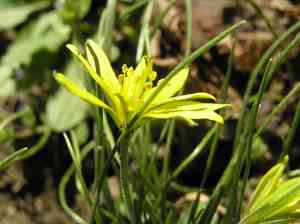
Field star of bethlehem (Gagea villosa)
Also known as: Hairy Star-of-Bethlehem
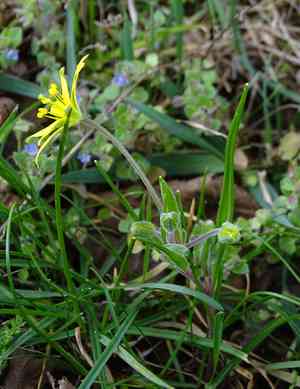
The Acker-Gelbstern, or Gagea villosa, is a perennial herb that typically grows to a height of 8 to 15 centimeters. It features two basal leaves that are flat, linear, and can be nearly thread-like, with a maximum width of around 4 millimeters. Unlike the meadow yellow star, its leaf cross-section is generally only slightly grooved on the upper surface.
In This Article
Attributes of Field star of bethlehem
Lifespan
Perennial
Plant Type
Herb
Plant Height
16 cm
Spread
N/A
Leaf Color
Green
Flower Size
1 cm to 10 cm
Flower Color
Yellow
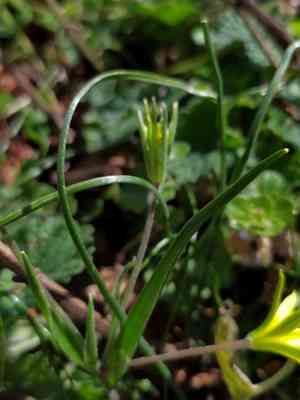
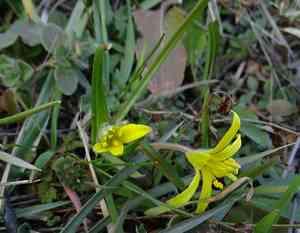
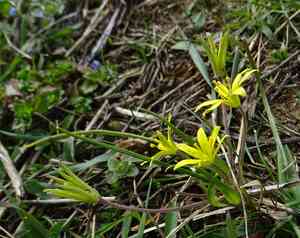
Images of Field star of bethlehem
Quickly Identify Field star of bethlehem
1
Gagea villosa can be identified by its hairy leaves, star-shaped yellow flowers, and its tendency to grow in clusters. The flowers have six tepals and bloom in early spring.
Scientific Classification of Field star of bethlehem
Phylum
Vascular plants
Class
Monocotyledons
Order
Liliales
Family
Lily
Genus
Gagea
Species
Field star of bethlehem
Planting and Growing of Field star of bethlehem
Care Difficulty
Moderate
Watering Schedule
Every 3 days
Sunlight Requirements
Partial sun
Sunshine Duration
6-10 hours
Ideal Temperature
50-77℉
Soil Type
Potting Mix, Peat Mix
Soil pH
6.5-7.5
Fertilizer Type
Balanced
Pruning Season
Spring, Summer
Pruning Area
Branches, Leaves
Pruning Frequency
2 times a year
Repotting Season
Spring
Pot Type
Terracotta, Plastic
 How to Water Field star of bethlehem?
Gagea villosa, like many bulbous plants, prefers moderate watering. It's crucial to ensure the top 2 to 3 inches of soil is moist but not waterlogged. This amount effectively supports the plant's growth while preventing root rot, as overwatering can lead to stagnation around the bulb.
What are the symptoms of an underwatered Field star of bethlehem?
›
What should I do if my Field star of bethlehem is not getting enough water?
›
What are the symptoms of an overwatered Field star of bethlehem?
›
How to save an overwatered Field star of bethlehem?
›
 What Are the Sunlight Requirements for Field star of bethlehem?
Gagea villosa ideally thrives under partial sun, implying it should get around 4 to 6 hours of indirect or filtered sunlight daily. Such light ensures thriving growth and resilience, enhancing its ornamental and ecological functions.
How much sunlight does Gagea villosa need?
›
What measures should be taken to ensure ideal light conditions?
›
What are the benefits of ideal lighting for Gagea villosa?
›
 What Is the Ideal Temperature Range for Field star of bethlehem?
Gagea villosa thrives best within a temperature range of 50°F to 77°F. This ideal range provides the necessary warmth for its metabolic processes, fostering optimal growth. Ensuring the plant is kept within these temperatures enhances its vitality and flowering potential.
 What Soil is Best for Field star of bethlehem?
Gagea villosa thrives in well-drained soils that prevent waterlogging, ensuring the roots can breathe and the plant remains healthy. This enhances nutrient uptake and prevents root rot. Although not overly demanding, Gagea villosa benefits from a nutrient-rich soil that supports its spring flowering phase, leading to more vibrant blooms and sustained growth. A low compaction soil is crucial for Gagea villosa as it encourages root expansion and efficient nutrient transfer, crucial during its active growing period.
 How to Fertilize Field star of bethlehem?
For Gagea villosa, a delicate balance in fertilization is crucial. Use a diluted liquid fertilizer at half strength to avoid over-nourishing. For solid fertilizers, apply a thin layer around the plant, ensuring the roots get minimal disturbance. This way, the plant gets the nutrients without risking root damage or nutrient burns.
 How to Prune Field star of bethlehem?
Begin by inspecting Gagea villosa for any old or damaged stems. These should be the first targets for removal as they no longer contribute to the plant's vitality and can hinder new growth. Cut the identified stems at a 45-degree angle to encourage water runoff and prevent disease. Aim your cuts above a healthy leaf node to stimulate new shoots that will enhance the plant’s overall aesthetics. Shape the plant by removing any straggly or misdirected shoots, thereby maintaining a balanced and compact form. This not only enhances visual appeal but also ensures that energy is directed towards productive parts of the plant.
More About Pruning Techniques→
 How to Propagate Field star of bethlehem plant?
1
Begin by collecting mature seeds from the Gagea villosa plant. Rinse them thoroughly to remove any debris, then dry them in a shaded area before sowing.
2
Fill seedling trays with a quality seed-starting mix. Create small holes in the mix as deep as twice the size of the seeds, ensuring good seed-to-soil contact when planted.
3
Once seedlings have developed a few sets of true leaves, gently transplant them into the garden or a larger pot. Water the new plants thoroughly to establish them in their new environment.
 How to Repot Field star of bethlehem plant?
1
Gagea villosa signals the need for repotting when roots start to emerge from the drainage holes of its current pot or if its growth appears stunted despite ample care. Ideally, it's best to repot during its dormancy in early spring or autumn to minimize stress.
2
Select a pot that is slightly larger than the current one with efficient drainage holes to prevent waterlogging. A shallow, wide pot is preferable as it accommodates the bulbous nature and root spread of Gagea villosa, ensuring proper aeration and reducing the risk of root rot.
3
Opt for a gritty, well-draining sandy soil mix. This composition mimics the plant’s natural habitat, ensuring good drainage and aeration, which is crucial for preventing root rot and promoting healthy growth.
Learn More About Field star of bethlehem Diseases
Anthracnose
Bacterial Leaf Spot
Bacterial Soft Rot
Bacterial Wilt
Crown Gall
Cyst Nematode
Damping-off
Downy Mildew
Drought Stress
Fusarium Wilt
Gray Mold
Leaf Spot
Mosaic
Nutrient Deficiency
Nutrient Toxicity
Powdery Mildew
Root Rot
Root-knot Nematode
Rusts
Sooty Mold
Spider Mites
Temperature Stress
Thrips Damage
White Mold



