How to Transplant Elkweed?
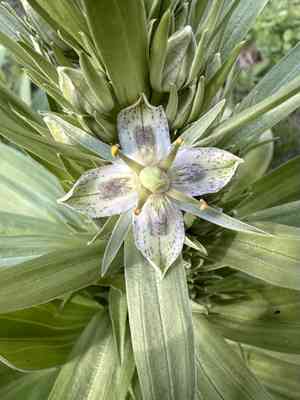
For elkweed, the most favorable period for relocation extends from early spring to the beginning of summer, when climatic conditions are mild. Select a site that receives full sun to partial shade and offers excellent drainage. Careful handling is crucial for establishing the roots in their new environment.
Essential Preparations Before Relocating Elkweed?
Optimal Period for Elkweed Relocation?
Choose the revitalizing period from late winter through early summer. This timeframe guarantees elkweed's root system develops under prime growth conditions. Utilizing this window provides elkweed a strong beginning, as mild temperatures and pliable soils promote root expansion. Move elkweed when nature's renewal aligns with peak growth, ensuring a smooth transition and vigorous flourishing.
Required Spacing Between Elkweed Plants?
When moving elkweed, allow ample room for each plant to thrive. Position them 12-24 inches (30-60 cm) apart. This spacing facilitates sufficient growth and air circulation, fostering a happy, healthy environment for your elkweed to prosper!
Ideal Soil Mixture for Elkweed Relocation?
For elkweed, the soil is its foundation, so it's crucial to get it right. Select a well-draining soil, enriched with compost, to offer a nutrient-rich base. Incorporate a balanced slow-release fertilizer prior to planting to give your elkweed a strong head start.
Preferred Location for Your Elkweed?
Select a sunny spot for your elkweed as they enjoy basking in direct light. An ideal site receives at least 6 hours of direct sunlight daily. If your garden has partial shade, do not worry, as elkweed is adaptable and can still flourish beautifully with slightly less sun.
Equipment Needed Before Transplanting Elkweed?
Gardening Gloves
To safeguard your hands while handling soil and plants.
Spade or Shovel
To excavate the plant from its original spot without harming the root ball.
Garden Trowel
For minor adjustments and more precise work within the planting hole.
Watering Can or Hose
To hydrate the plant before and after relocation to lessen shock.
Pruning Shears
To gently trim any damaged roots or foliage.
Wheelbarrow or Plant Carrier
To transport the plant from its initial location to the new site effortlessly.
Measuring Tape
To determine the correct spacing between plants if moving multiple specimens.
Stake or Plant Support
To stabilize elkweed if necessary, depending on its size and exposure to elements.
How to Extract Elkweed from the Soil?
How to Extract Elkweed from the Soil?
From Ground: First, moisten the elkweed's soil to facilitate removal. Then, use a spade or shovel to dig a wide trench around the plant, being mindful of the root ball's size to prevent damage. Carefully lift the plant by sliding the spade beneath the root ball and prying it out of the ground.From Pot: Water the elkweed thoroughly beforehand. Invert the pot and tap its sides to loosen the root ball. Gently ease the plant out by the base of its stem, supporting the root ball with your other hand. If resistant, you might need to cut the pot to avoid root damage.From Seedling Tray: Water the seedlings to ensure the soil is damp. Use a garden trowel or your fingers to carefully lift the elkweed from its cell, supporting the root ball and avoiding pulling on the stem.
Detailed Guide for Relocating Elkweed
Plant Removal
Begin by correctly extracting your elkweed from its current position, referring to the preceding section's guide for the optimal method based on its present environmentâground, pot, or seedling tray.
Hole Preparation
Excavate a hole at the new site that is twice as wide and the same depth as the elkweed's root ball. Break up and loosen the soil at the bottom of the hole to ease new root penetration.
Plant Positioning
Place elkweed in the center of the hole. Ensure it is at the same depth as it was originally to prevent stem rot or overly exposed roots.
Backfilling
Carefully refill the hole with the excavated soil. Firm the soil around the base of elkweed to eliminate air pockets but avoid excessive compaction which could hinder root growth.
Watering
Thoroughly water the elkweed after planting to help settle the soil around the roots and hydrate the plant.
Staking (If Necessary)
If the elkweed is tall or in a windy area, provide support with a stake. Gently secure the plant to the stake for added stability.
Post-Transplant Care for Elkweed?
Immediate Watering
After relocating, water your elkweed generously to encourage root development and help mitigate transplant shock.
Mulching
Apply a layer of organic mulch around the base of elkweed to aid in retaining soil moisture and regulating soil temperature.
Monitoring
Keep a close watch on your elkweed for indications of transplant shock, such as wilting or yellowing leaves, and take corrective measures if needed.
Regular Watering
Establish a consistent watering schedule to maintain adequate soil moisture, especially in the weeks following relocation as the elkweed establishes itself.
Gentle Fertilization
Consider a mild fertilization regimen after a few weeks to supply necessary nutrients for growth, but be careful not to over-fertilize, which can harm the plant.
Pruning
Trim any damaged or dead parts from elkweed to direct the plant's energy towards establishing new growth.
Resolving Common Elkweed Relocation Issues.
When is the best time to move elkweed?
Relocate elkweed during early spring to early summer to allow root establishment before winter.
What spacing is needed for transplanted elkweed?
Space elkweed 12-24 inches (30-60 cm) apart to provide sufficient room for growth.
Why is my relocated elkweed wilting?
Wilting can be due to shock. Ensure careful handling, proper watering, and check for root damage.
What soil conditions are ideal for moving elkweed?
Use well-draining soil, rich in organic matter to support elkweed's root development during relocation.
How deep should the planting hole be for elkweed?
The hole should be as deep as the root ball and twice as wide to promote growth.
How much should I water elkweed after moving?
Water thoroughly after relocating, then maintain consistent moisture without overwatering.
Should I fertilize elkweed after moving?
Wait a few weeks before fertilizing to avoid root burn and stressing elkweed.
Can elkweed be moved on cloudy days?
Yes, overcast conditions reduce transplant shock by minimizing water loss and sun stress.
How to prevent transplant shock in elkweed?
Water well before and after relocating, and minimize root disturbance during the process.
Why isn't my elkweed growing after relocation?
It may be establishing roots. Allow it time and ensure proper care â light, water, and soil.



