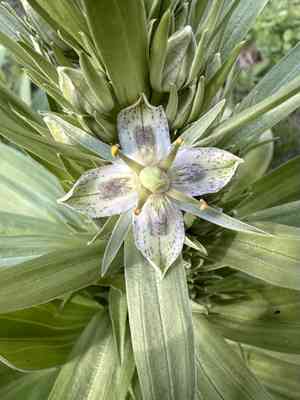
Elkweed (Frasera speciosa)
Also known as: Green gentian, Monument plant
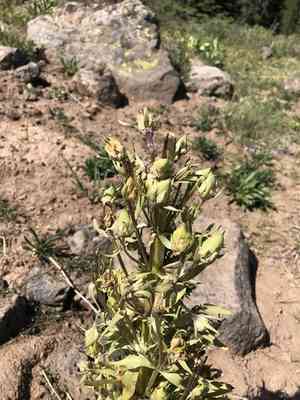
Elkweed (Frasera speciosa) is a perennial plant that can live up to 80 years. It starts as a compact rosette of leaves with a woody base and eventually grows a tall flowering stalk, reaching about 2.5 meters in height, adorned with greenish flowers speckled with purple. Notably, Elkweed is monocarpic, meaning it blooms only once in its lifetime before producing seeds and then dying.
In This Article
Attributes of Elkweed
Lifespan
Perennial, Biennial
Plant Type
Herb
Plant Height
61 cm to 2 m
Spread
15 cm to 30 cm
Leaf Color
Green Blue
Flower Size
2.5 cm
Flower Color
White Green Purple
Images of Elkweed
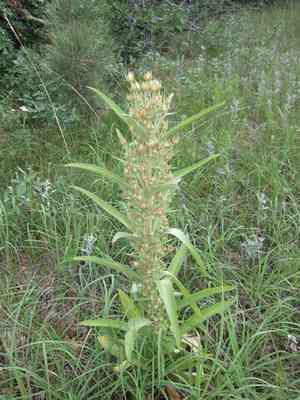
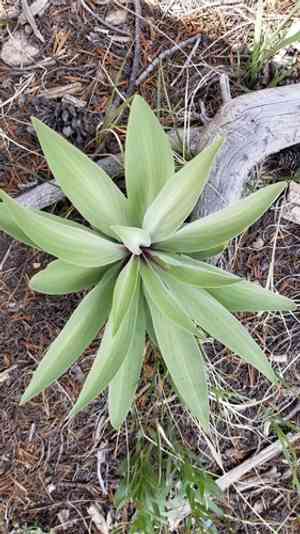
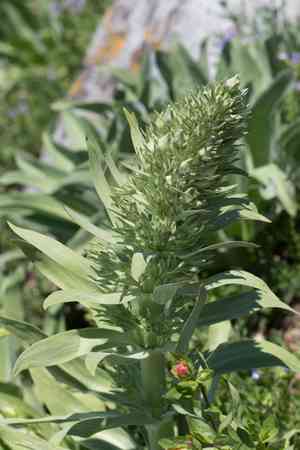
Quickly Identify Elkweed
1
Look for a tall and stately plant with a single, unbranched stem that supports a dense cluster of greenish-white flowers. The leaves are lance-shaped and arranged in whorls around the stem.
Scientific Classification of Elkweed
Phylum
Vascular plants
Class
Dicotyledons
Order
Gentianales
Family
Gentian
Genus
Green gentian
Species
Elkweed
Planting and Growing of Elkweed
Care Difficulty
Easy
Watering Schedule
Every 2 days
Sunlight Requirements
Partial sun
Sunshine Duration
6-12 hours
Ideal Temperature
60-75℉
Soil Type
Potting Mix, Peat Mix
Soil pH
6.5-7.5
Fertilizer Type
Balanced
Pruning Season
Spring, Summer
Pruning Area
Branches, Leaves
Pruning Frequency
2 times a year
Repotting Season
Spring
Pot Type
Ceramic, Plastic
 How to Water Elkweed?
Frasera speciosa, also known as Monument Plant, thrives best when watered deeply but infrequently. It is essential to provide approximately 500 milliliters of water per session. This amount ensures that the water penetrates the soil deeply, encouraging roots to grow further down into the earth. Over-watering can harm the plant, so ensure the soil dries out between waterings.
What are the symptoms of an underwatered Elkweed?
›
What should I do if my Elkweed is not getting enough water?
›
What are the symptoms of an overwatered Elkweed?
›
How to save an overwatered Elkweed?
›
 What Are the Sunlight Requirements for Elkweed?
Frasera speciosa benefits from partial to full sun exposures with about 4 to 6 hours of sunlight daily. This range supports its growth cycles, ensuring blooming and structural integrity by providing the needed energy input.
More About Sunlight Requirements Techniques→
What is the best lighting condition for Frasera speciosa?
›
How can I ensure Frasera speciosa gets ideal sunlight?
›
What benefits does ideal lighting provide to Frasera speciosa?
›
 What Is the Ideal Temperature Range for Elkweed?
Frasera speciosa thrives best in environments where the temperature ranges between 60°F and 75°F. This range supports optimal growth and health, providing conditions that align with its natural habitat in temperate zones. Maintaining temperatures within this range ensures that physiological functions such as photosynthesis and nutrient uptake occur efficiently.
 What Soil is Best for Elkweed?
Frasera speciosa thrives best in well-drained soils to prevent root rot. Well-drained soils ensure that water does not pool around the roots, promoting healthy growth and reducing the risk of fungal diseases. This plant requires soils that retain moderate moisture. Maintaining steady moisture levels helps support the plant during its growth phase while preventing the stress associated with drought conditions. Incorporating organic matter into the soil can significantly enhance Frasera speciosa's growth. Organic matter improves soil structure, nutrient content, and microbial activity, resulting in robust and healthy plants.
 How to Fertilize Elkweed?
Frasera speciosa, often known as the Green Gentian, benefits from careful fertilization. It's essential to start with dilute liquid fertilizers at about 1/4th the recommended strength to prevent root burn. For each application, around 500 ml per plant is sufficient, ensuring even distribution. For solid fertilizers, one should consider using slow-release pellets, applying no more than 50 grams per plant annually.
 How to Prune Elkweed?
Begin by identifying dead, diseased, or damaged stems that need removal. Look for stems that appear discolored or brittle, as these are typically the most detrimental to the plant's overall health. When cutting, make sure to prune above a node using a 45-degree angle cut which allows moisture to run off and reduces the risk of disease. Avoid leaving stubs as they attract pests. If the plant seems overcrowded, selectively thin out some of the stems from the interior. This improves air circulation and sunlight penetration, crucial for maintaining a healthy plant.
More About Pruning Techniques→
 How to Propagate Elkweed plant?
1
Scatter the seeds evenly across the surface of the prepared potting mix in the seed tray. Cover them lightly with a thin layer of soil and gently water them to settle the soil without washing away the seeds.
2
Place the tray in a location with bright, indirect sunlight. Maintain a consistent temperature around 65-70°F (18-21°C) to facilitate germination, and keep the potting mix moist but not waterlogged.
3
Once seedlings have developed a few true leaves, carefully transplant them into individual pots. Handle them gently to avoid damaging the delicate roots, and continue to provide similar growing conditions for further development.
 How to Repot Elkweed plant?
1
For Frasera speciosa, a key sign that it's time to repot is when its roots start to emerge from the pot's drainage holes. Additionally, if its growth has noticeably slowed or the soil no longer holds moisture like it used to, these are clear indicators that a change is needed to refresh its growing environment.
2
Select a pot that is 1-2 inches larger in diameter than the current one. The ideal pot is one that balances ample space for root growth with drainage capabilities. A pot that's too large causes water retention issues, whereas a slightly larger pot encourages root expansion without overwhelming the plant.
3
Choose a well-draining organic mix that supports robust root growth, typically a blend with perlite or sand to prevent waterlogging. Organic components such as peat or coco coir retain the right amount of moisture, providing structural stability and nutrients essential for Frasera speciosa's thriving.
Learn More About Elkweed Diseases
Anthracnose
Bacterial Leaf Spot
Bacterial Soft Rot
Bacterial Wilt
Black Spot
Chemical Injury
Crown Gall
Cyst Nematode
Damping-off
Downy Mildew
Drought Stress
Fusarium Wilt
Gray Mold
Leaf Spot
Mosaic
Nutrient Deficiency
Nutrient Toxicity
Powdery Mildew
Root Rot
Root-knot Nematode
Rusts
Sooty Mold
Spider Mites
Temperature Stress
Thrips Damage
White Mold



