How to Transplant Fewspikelet fluttergrass?
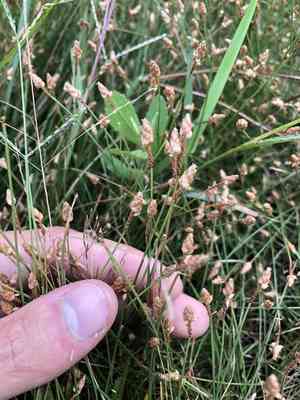
The ideal period to transplant fewspikelet fluttergrass spans from early spring's onset through the blooming season, or during the heart of winterâa suitable timeframe owing to consistent environmental factors. Select a location that receives abundant sunlight and possesses soil with good drainage. Thoughtfully assess the available root area to facilitate successful integration.
What Preparations are Needed Before Transplanting Fewspikelet Fluttergrass?
What is the Ideal Time for Transplanting Fewspikelet Fluttergrass?
The best time to move fewspikelet fluttergrass is during the pleasant, mild days from early spring until its final weeks, or similarly, from the beginning of winter through its middle. Relocating fewspikelet fluttergrass in these periods takes advantage of the moderate weather, allowing roots to settle in the cool soil without the strain of extreme temperatures. This timing promotes strong development, ensuring fewspikelet fluttergrass flourishes in its new location with minimal transplant shock.
How Much Space Should You Leave Between Fewspikelet Fluttergrass Plants?
When arranging your new fewspikelet fluttergrass, ensure they have ample room to grow. Aim for a spacing of 15-30 cm (6-12 inches). This provides sufficient space for each plant to thrive without competing for nutrients and sunlight.
What is the Best Soil Mix for Fewspikelet Fluttergrass Transplanting?
Fewspikelet fluttergrass prefers well-draining soil rich in organic matter. Before transplanting, incorporate some compost or aged manure to create a nutritious base. Starting with a balanced fertilizer can also give your plants a good beginning.
Where Should You Relocate Your Fewspikelet Fluttergrass?
A sunny location in your garden is perfect for fewspikelet fluttergrass, as these plants love bright light. Find a spot where they can receive at least six hours of sunlight daily, ensuring they have the energy to grow and prosper.
What Equipments Should You Prepare Before Transplantation Fewspikelet Fluttergrass?
Gardening Gloves
To safeguard your hands while handling soil and plants.
Shovel or Spade
For excavating the plant and preparing the new planting site.
Watering Can or Hose
To hydrate the plant before and after the relocation process.
Pruners or Sharp Knife
For trimming any damaged roots or foliage.
Wheelbarrow or Garden Cart
To transport the fewspikelet fluttergrass to its new spot.
Tape Measure
To maintain correct spacing between plants during transplanting.
How Do You Remove Fewspikelet Fluttergrass from the Soil?
How Do You Remove Fewspikelet Fluttergrass from the Soil?
From Ground: First, moisten the fewspikelet fluttergrass to soften the soil, making removal easier. Dig a wide trench around the plant with a shovel or spade, being careful to keep the root ball intact. Slide the tool under the root ball and gently lift the fewspikelet fluttergrass from the ground.From Pot: Begin by watering the fewspikelet fluttergrass until the soil is damp. Turn the pot sideways, hold the plant by its base, and gently tap the bottom to help release the fewspikelet fluttergrass from the pot. If needed, use a knife to separate roots from the pot edges.From Seedling Tray: Dampen the soil in the seedling tray before transplanting. Use a small tool, such as a dibber or even a spoon, to carefully lift the fewspikelet fluttergrass out of its compartment, taking care to keep the root system undisturbed.
Step-by-Step Guide for Transplanting Fewspikelet Fluttergrass
Preparation
Gather all the necessary tools listed above to ensure a smooth transplanting process for the fewspikelet fluttergrass. Wear gardening gloves to protect your hands throughout the process and have plenty of water on hand to keep the plant hydrated before and after the move.
Dig New Hole
Using your shovel or spade, dig a hole in the chosen location that is twice as wide and just as deep as the root ball. This will give the fewspikelet fluttergrass's roots plenty of room to spread out.
Plant Inspection
Before planting, inspect the fewspikelet fluttergrass's roots. Trim any broken or damaged roots with clean pruners or a sharp knife to encourage healthy new growth.
Placement
Carefully place the fewspikelet fluttergrass in the center of the new hole so that the top of the root ball is level with or just above the surrounding soil surface. Adjust the depth of the hole if necessary.
Filling Hole
Gradually backfill the hole with soil around the root ball of the fewspikelet fluttergrass, gently firming the soil as you go to eliminate air pockets. Do not compress the soil too heavily as this can impede root growth and water penetration.
Watering
After transplanting, water the fewspikelet fluttergrass thoroughly to settle the soil. The water will help to eliminate any remaining air pockets and ensure good root-to-soil contact.
Support
If necessary, add supports like stakes to help stabilize the fewspikelet fluttergrass as it acclimates to its new location. This should be done with care to avoid damaging the root system.
Monitoring
Observe the fewspikelet fluttergrass over the following days and weeks. Look for signs of stress or lack of water, and continue with regular care as the plant establishes itself in its new environment.
How Do You Care For Fewspikelet Fluttergrass After Transplanting?
Mulching
Apply a layer of organic mulch around the base of the fewspikelet fluttergrass to help retain moisture, regulate soil temperature, and reduce weed competition. Keep the mulch a few inches away from the plant's stem to avoid rotting.
Weeding
Remove weeds regularly around the fewspikelet fluttergrass, as they can compete with the young plant for nutrients and water.
Monitoring
Keep an eye on the fewspikelet fluttergrass's leaves for signs of distress such as wilting, yellowing, or dropping. This can indicate issues with water, pests, or disease.
Pest and Disease Watch
Regularly check for pests and diseases, especially during the early days post-transplant when the fewspikelet fluttergrass is most vulnerable. Take necessary action if there are signs of infestation or illness.
Gentle Care
Avoid disturbing the fewspikelet fluttergrass's root area with deep digging or rigorous activities and protect it from extreme conditions such as hard rain or hot sun until it's well established.
Staking
If the fewspikelet fluttergrass has a tall growth habit or is in a windy location, consider using stakes or other supports to prevent damage. This will help the plant remain upright and grow strong.
Troubleshooting Common Issues with Fewspikelet Fluttergrass Transplantation.
When's the best time to transplant fewspikelet fluttergrass?
Opt for transplanting fewspikelet fluttergrass in the gentleness of early to late spring (March-May) or the coolness of early winter to mid-winter (December-February).
What is the ideal spacing for fewspikelet fluttergrass while transplanting?
Maintain a friendly distance of 6-12 inches (15-30 cm) between the fewspikelet fluttergrass plants to give them room to flourish.
Why is my fewspikelet fluttergrass wilting after transplant?
Ensure you're giving fewspikelet fluttergrass adequate water without overdoing it. Check roots for damage, and provide some temporary shade.
Should I amend the soil when transplanting fewspikelet fluttergrass?
Absolutely, enriching the soil with organic compost will give fewspikelet fluttergrass a healthy start in its new home.
How deep should I plant fewspikelet fluttergrass's roots?
Plant fewspikelet fluttergrass's roots at the same depth they grew before. Going deeper can suffocate them, shallower can dry them out.
Is it necessary to prune fewspikelet fluttergrass before transplanting?
A light trim can reduce stress on fewspikelet fluttergrass's roots, helping it settle more easily into the new space.
How much sunlight does fewspikelet fluttergrass need after transplanting?
Place fewspikelet fluttergrass in a sunny spot where it can bask in at least six hours of sunlight daily for optimal growth.
Can I transplant fewspikelet fluttergrass during the summer?
It's best to wait for cooler months. Summer heat can stress fewspikelet fluttergrass, making it harder to establish in a new spot.
How often should I water fewspikelet fluttergrass after transplanting?
Water generously just after transplanting, then settle into a routine that keeps the soil moist but not waterlogged.
Why isn't my fewspikelet fluttergrass growing after transplant?
Give it time! However, make sure the soil is fertile, water adequately, and verify the absence of pests or diseases.



