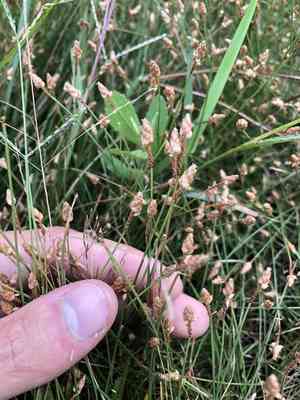
Fewspikelet fluttergrass (Fimbristylis schoenoides)
Also known as: Flukesedge, Smooth twigrush
A plant commonly found in moist and wetland environments with cylindrical stems and thin, wiry leaves is the rush, particularly from the genus *Juncus*. This perennial plant thrives in wet soils and often forms dense clumps. Its fibrous root system is essential for soil stabilization, making it vital for maintaining the integrity of wetland ecosystems.
In This Article
Attributes of Fewspikelet fluttergrass
Lifespan
Perennial
Plant Type
Grass
Plant Height
5 cm to 40 cm
Spread
Not applicable, as it does not have a traditional canopy
Leaf Color
Green
Flower Size
3 mm to 4 mm
Flower Color
White Yellow Brown
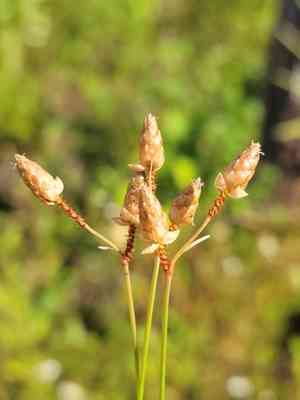
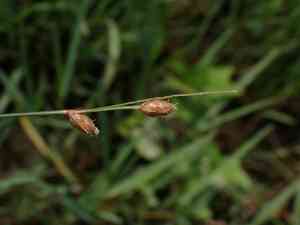
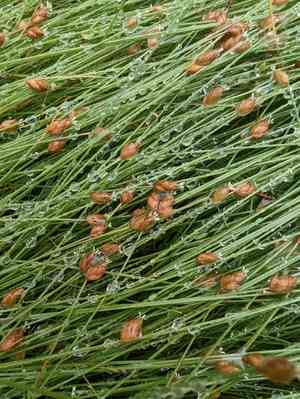
Images of Fewspikelet fluttergrass
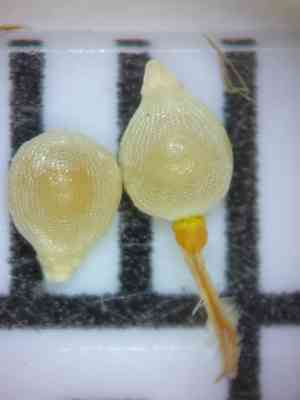
Quickly Identify Fewspikelet fluttergrass
1
Look for its wiry stems and compact, tufted growth habit. The leaves are narrow and grass-like, and the flowers are small and not very conspicuous, found in clusters at the tips of the stems.
Scientific Classification of Fewspikelet fluttergrass
Phylum
Vascular plants
Class
Monocotyledons
Order
Poales
Family
Sedge
Genus
Fimbry
Species
Fewspikelet fluttergrass
Planting and Growing of Fewspikelet fluttergrass
Care Difficulty
Easy
Watering Schedule
Every 3 days
Sunlight Requirements
Full sun
Sunshine Duration
6-10 hours
Ideal Temperature
77-86℉
Soil Type
Potting Mix, Peat Mix
Soil pH
6.5-7.5
Fertilizer Type
Balanced
Pruning Season
Spring, Summer
Pruning Area
Leaves, Branches
Pruning Frequency
2 times a year
Repotting Season
Spring
Pot Type
Plastic, Ceramic
 How to Water Fewspikelet fluttergrass?
For Fimbristylis schoenoides, watering should be moderate. Ensuring the soil stays consistently damp but not waterlogged is crucial. Pour approximately 250 ml of water each time, allowing it to soak in deeply, reaching the roots without causing standing water.
What are the symptoms of an underwatered Fewspikelet fluttergrass?
›
What should I do if my Fewspikelet fluttergrass is not getting enough water?
›
What are the symptoms of an overwatered Fewspikelet fluttergrass?
›
How to save an overwatered Fewspikelet fluttergrass?
›
 What Are the Sunlight Requirements for Fewspikelet fluttergrass?
Fimbristylis schoenoides thrives in environments with full to partial sun exposure. Ideal lighting promotes optimal photosynthesis, strong growth, and lush, green foliage.
Where should I place Fimbristylis schoenoides for ideal light?
›
How can I ensure consistent lighting for Fimbristylis schoenoides?
›
What are the signs of ideal lighting in Fimbristylis schoenoides?
›
 What Is the Ideal Temperature Range for Fewspikelet fluttergrass?
The ideal temperature range for Fimbristylis schoenoides is between 77°F and 86°F. This range ensures optimal growth and development by providing adequate warmth, which is necessary for photosynthesis, enzyme activity, and other physiological processes.
 What Soil is Best for Fewspikelet fluttergrass?
Fimbristylis schoenoides thrives in well-draining soil, which prevents water from stagnating around its roots, reducing the risk of root rot. This feature is crucial as it ensures the plant receives the necessary oxygen and nutrients for healthy growth. While not overly demanding, Fimbristylis schoenoides benefits from soil that provides a moderate level of nutrients. This ensures steady growth and supports the plant's ability to produce vibrant foliage without the need for excessive fertilization. The optimal pH range for Fimbristylis schoenoides is between 6.5 and 7.5. This range supports ideal microbial activity, which aids in nutrient uptake and overall soil health, contributing to the plant's vitality.
 How to Fertilize Fewspikelet fluttergrass?
For Fimbristylis schoenoides, balance is key when it comes to fertilization. Using a liquid fertilizer, apply approximately half strength of standard houseplant fertilizer every two weeks, ensuring not to over-fertilize which can harm the plant.
 How to Prune Fewspikelet fluttergrass?
Begin by assessing the grass for any dead, damaged, or diseased stems and remove them using clean, sharp scissors or shears. Trim back any overly long stems to maintain a neat shape, cutting at a slight angle just above a node to encourage healthy regrowth.
 How to Propagate Fewspikelet fluttergrass plant?
1
Collect seeds from mature plants in spring. Ensure the seeds are dry and stored in a cool, dry place until sowing. Handle them with care to avoid damaging the seed casing.
2
Prepare a well-draining soil mix. Mix equal parts of sand, peat, and loam to create a medium that retains some moisture but is not waterlogged. The soil should be pH neutral to slightly acidic.
3
Sow seeds on the soil surface and lightly cover them. For division, separate clumps of plants, ensuring each clump has roots. Plant them in prepared soil and water lightly to settle the roots.
 How to Repot Fewspikelet fluttergrass plant?
1
Fimbristylis schoenoides needs repotting when you notice roots crowding the pot's edges or poking through drainage holes. Another clear signal is when water sits on the surface and takes time to drain, indicating compacted soil.
2
Select a pot that is 1-2 inches larger in diameter than the current one to allow root growth. Pots with drainage holes are crucial to prevent waterlogging. The extra space helps the roots develop sturdily and breathe better, promoting overall plant health.
3
Choose well-drained, sandy loam soil. This type of soil mimics the plant's natural habitat, ensuring proper aeration and nutrient availability. It promotes healthy root growth while preventing excess moisture accumulation and root rot.
Learn More About Fewspikelet fluttergrass Diseases
Anthracnose
Bacterial Leaf Spot
Bacterial Soft Rot
Bacterial Wilt
Chemical Injury
Cyst Nematode
Damping-off
Downy Mildew
Drought Stress
Fusarium Wilt
Gray Mold
Leaf Spot
Mosaic
Nutrient Deficiency
Nutrient Toxicity
Powdery Mildew
Root Rot
Root-knot Nematode
Rusts
Sooty Mold
Spider Mites
Temperature Stress
Thrips Damage
White Mold



