How to Transplant Dye fig?
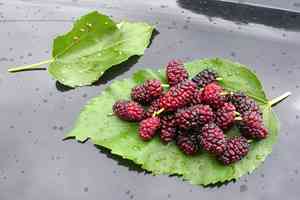
For dye fig, the ideal period for relocation is from the warmth of late spring into early summer, which guarantees vigorous development. Select a location with full sun to partial shade and amend the earth for optimal outcomes. Careful manipulation is crucial for successful establishment.
What Preparations are Needed Before Transplanting Dye Fig?
What is the Ideal Time for Transplanting Dye Fig?
The prime period to move dye fig is during the pleasant warmth of late spring extending into mid-summer. This timeframe, blessed with mild temperatures, provides dye fig with the perfect mix of heat and light to strengthen its roots in the new spot. Relocating dye fig now encourages vigorous development, promising abundant joy as this resilient perennial adapts to nature's supportive embrace.
How Much Space Should You Leave Between Dye Fig Plants?
When getting ready for dye fig, it's vital to allow ample room for expansion. Aim for a distance of 15-25 feet (4.6-7.6 meters) between plants, which will enable your dye fig to thrive without becoming too crowded. Proper spacing ensures sufficient air circulation and access to sunlight.
What is the Best Soil Mix for Dye Fig Transplanting?
For your dye fig, well-draining, rich soil is optimal. Before transplanting, enrich the soil with a balanced, slow-release fertilizer to give your dye fig a robust start. A pH level between 6.0 and 6.5 is perfect, so consider testing your soil beforehand and adjusting as necessary.
Where Should You Relocate Your Dye Fig?
Select a spot for your dye fig that receives abundant sunshine. Full to partial sun, typically meaning at least 4-6 hours of direct sunlight daily, is advised to foster healthy growth and fruit production in your dye fig.
What Equipments Should You Prepare Before Transplantation Dye Fig?
Gardening Gloves
To safeguard your hands while handling soil and plants.
Shovel or Spade
To excavate the plant from its original spot and prepare the new planting hole.
Watering Can or Hose
To pre-moisten the plant before removal and for irrigation after transplanting.
Wheelbarrow or Tarp
To move the plant from its initial location to the new planting site.
Pruning Shears
For trimming any damaged roots or branches prior to transplanting.
Garden Fork
To assist in loosening the soil around the plant during extraction.
Measuring Tape
To gauge the depth and width of the planting hole to match the root ball's dimensions.
How Do You Remove Dye Fig from the Soil?
How Do You Remove Dye Fig from the Soil?
From Ground: First, moisten the soil around the dye fig to lessen root shock. Dig a wide circle around the plant with your shovel or spade, being careful not to harm the root ball. Gently work the spade beneath and carefully lift the plant out.From Pot: Water the dye fig thoroughly before beginning. Tilt the pot sideways and gently tap or press its sides to loosen the soil. Carefully slide the plant out, supporting the root ball with your hand. If the plant is root-bound, gently untangle the roots without causing significant damage.From Seedling Tray: Water the seedlings to ensure the soil is damp. Use a spoon or a small gardening tool to carefully lift the seedling from the tray. Handle the delicate plant by its leaves, rather than the stem, to prevent injury.
Step-by-Step Guide for Transplanting Dye Fig
Preparation
Ensure the new location is ready, with a planting hole as deep as the root ball and twice its width. Clear any weeds or debris from the area.
Root Ball Care
Examine the dye fig's root ball. If roots are extensively circling, make vertical cuts to encourage outward growth.
Placement
Carefully position the dye fig into the planting hole, centering it so the top of the root ball is level with the surrounding ground.
Filling
Backfill around the root ball with the excavated soil, gently patting it down to remove air pockets. Do not plant deeper than its original depth.
Watering
Water the dye fig thoroughly after planting to settle the soil and eliminate air pockets. This will also help the roots connect with their new environment.
Mulching
Apply a layer of mulch around the planting area to help retain moisture and reduce soil temperature fluctuations.
How Do You Care For Dye Fig After Transplanting?
Staking
If the dye fig is tall or in a windy spot, provide support with a stake. Tie the plant to the stake loosely to avoid damaging the stem.
Routine Watering
After transplanting, monitor the soil moisture. Water the dye fig regularly to prevent it from drying out, especially during the initial few months.
Observation
Watch the dye fig for signs of transplant shock, which might include wilting leaves or a slight yellowing. This is normal; continue to provide care, and the plant should recover.
Pruning
Delay pruning the dye fig until it has established itself in its new location and shows signs of growth, unless removing damaged or dead material immediately after transplanting.
Troubleshooting Common Issues with Dye Fig Transplantation.
How deep should I dig to transplant dye fig successfully?
Aim for a hole twice as wide and as deep as the root ball of your dye fig. This ensures a proper fit.
What's the best time to transplant dye fig?
Transplanting dye fig during the pleasant warmth of late spring to mid-summer provides the plant with ideal growing conditions.
How far apart should I space my dye fig plants?
Spacing dye fig plants 15-25 feet (4.5-7.6 meters) apart allows them to flourish without crowding, giving each plant ample room to grow.
Why are the leaves of my transplanted dye fig wilting?
Wilting after transplant is often a sign of stress; ensure sufficient water and shade, particularly during the first few weeks.
How much water does dye fig need after transplanting?
Initially, water your dye fig deeply every day for a week, then gradually decrease to once a week, observing soil moisture.
Can I transplant dye fig on a hot, sunny day?
It's best to transplant dye fig on a cloudy day or in the evening to prevent immediate sun exposure and reduce transplant shock.
What kind of soil is ideal for transplanting dye fig?
Well-drained, fertile soil with ample organic matter creates the perfect bed for dye fig's new location.
Should I fertilize dye fig right after transplanting?
Wait 4-6 weeks before fertilizing to allow dye fig to settle in and avoid burning delicate new roots.
How do I know if dye fig is planted at the right depth?
The top of the root ball should be level with the ground surface; planting too deep or shallow can harm the plant.
What if leaves of dye fig turn yellow after transplanting?
Yellow leaves can indicate overwatering or poor drainage. Reduce watering and ensure the soil is not waterlogged.



