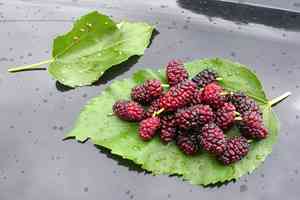
Dye fig (Ficus tinctoria)
Also known as: Fig
The dye fig tree's seeds are unique because they germinate high up in the canopy of other trees. From there, the young fig tree draws moisture and nutrients from its host while its own roots grow downward to reach the ground. Additionally, the fruits of the dye fig tree can be used to produce a red dye for fabrics.
In This Article
Attributes of Dye fig
Lifespan
Perennial
Plant Type
Tree
Plant Height
15 m
Spread
3-6 meters
Leaf Color
Green
Flower Size
N/A (Ficus tinctoria produces figs, not traditional flowers)
Flower Color
N/A (See above)
Images of Dye fig
Quickly Identify Dye fig
1
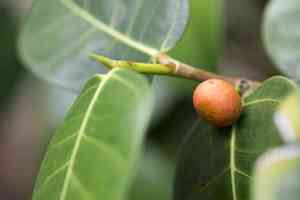
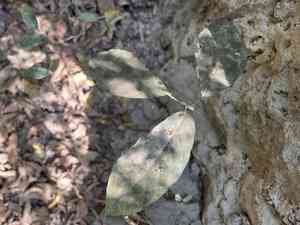
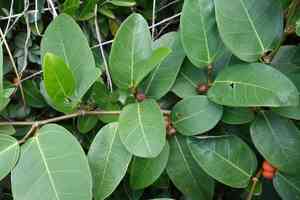
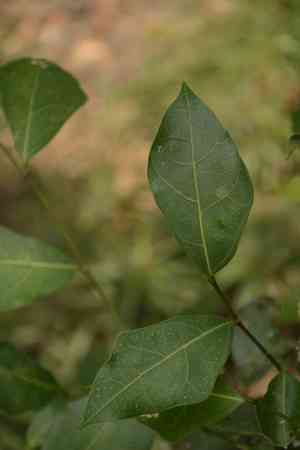
Ficus tinctoria can be identified by its small tree or shrub form, milky sap, and distinctive, smooth leaves. The leaves are obovate to elliptic with a thick, leathery texture. Figs are orange to red when ripe.
Scientific Classification of Dye fig
Phylum
Vascular plants
Class
Dicotyledons
Order
Rosales
Family
Mulberry
Genus
Fig trees
Species
Dye fig
Planting and Growing of Dye fig
Care Difficulty
Easy
Watering Schedule
Every 2 days
Sunlight Requirements
Partial sun
Sunshine Duration
6-8 hours
Ideal Temperature
70-85℉
Soil Type
Potting Mix, Peat Mix
Soil pH
6-7.5
Fertilizer Type
Balanced
Pruning Season
Spring, Summer
Pruning Area
Branches, Leaves
Pruning Frequency
2 times a year
Repotting Season
Spring
Pot Type
Plastic, Ceramic
 How to Water Dye fig?
Ficus tinctoria prefers its soil to be moderately moist. Water the plant until the soil is fully hydrated, allowing water to seep through the drainage holes at the bottom. A balance must be struck to ensure the soil is moist but not soggy, as soggy soil can lead to root rot.
What are the symptoms of an underwatered Dye fig?
›
What should I do if my Dye fig is not getting enough water?
›
What are the symptoms of an overwatered Dye fig?
›
How to save an overwatered Dye fig?
›
 What Are the Sunlight Requirements for Dye fig?
Partial sun with some direct exposure is ideal. This light range ensures robust foliage and healthy growth, maximizing photosynthesis and improving the plant's resistance to environmental stressors.
How much sun is ideal for Ficus tinctoria?
›
Solutions for achieving ideal sun exposure
›
Benefits of meeting ideal lighting conditions
›
 What Is the Ideal Temperature Range for Dye fig?
The ideal temperature range for Ficus tinctoria lies between 70°F and 85°F. This ensures optimal growth and vitality for the plant, as it mimics the tropical climate conditions it is naturally accustomed to. By maintaining temperatures within this range, the plant can better photosynthesize, absorb nutrients, and resist diseases.
 What Soil is Best for Dye fig?
Ficus tinctoria requires soil that is rich in organic matter, providing essential nutrients for optimal growth and lush foliage. This type of soil supports healthy root systems and overall plant vitality. To prevent root rot, the soil should have excellent drainage. Well-draining soil allows excess water to escape easily, maintaining a balance that prevents waterlogging and supports root health. Soil with moderate moisture retention helps maintain consistent hydration levels for Ficus tinctoria, ensuring the plant stays adequately hydrated while allowing the roots to breathe.
 How to Fertilize Dye fig?
For Ficus tinctoria, use a balanced, water-soluble fertilizer at half the recommended strength to avoid nutrient burn. Apply approximately 250 ml of the diluted solution per plant for each feeding session. For slow-release fertilizers, use about 25-30 grams per application, evenly spread at the plant's base.
 How to Prune Dye fig?
Prioritize removing any dead or diseased branches. This not only helps the plant focus its energy on healthy growth but also prevents the spread of disease. Trim back overgrown branches to maintain the desired size and shape of your Ficus tinctoria. This step is crucial for keeping the plant aesthetically pleasing and manageable. To encourage bushier growth, cut just above a node or leaf junction. This encourages the plant to branch out and become fuller.
More About Pruning Techniques→
 How to Propagate Dye fig plant?
1
For seed propagation, collect fresh seeds during the plant's fruiting season. For cuttings, select healthy, non-flowering branches and cut them at a length of 4-6 inches.
2
Use a well-draining potting mix or a mixture of peat and perlite. The medium should be slightly moist but not waterlogged to prevent rot.
3
Place seeds on the surface of the medium and lightly cover them. For cuttings, dip the cut end in rooting hormone and plant it at a depth of about 2 inches. Keep the medium consistently moist.
 How to Repot Dye fig plant?
1
Ficus tinctoria needs repotting when it shows signs of stunted growth, root circling, or excessively quick drying out of the soil after watering. A repotting during the active growing seasons of spring or summer ensures that the plant has the energy for new root growth and establishment in fresh soil.
2
Select a pot that is one size larger than the current one and has sufficient drainage holes. A pot that is too big can retain excess moisture, leading to root rot. Terracotta pots are an excellent choice; they allow for air circulation, reducing overwatering risks while adding a natural aesthetic.
3
A well-draining sandy mix is crucial for Ficus tinctoria to prevent waterlogging. Look for a soil mix that includes components like perlite, sand, and small bark chunks. This type of soil ensures adequate root aeration, promoting healthy growth and reducing the risk of fungal diseases associated with trapped moisture.
Learn More About Dye fig Diseases
Anthracnose
Bacterial Leaf Spot
Bacterial Soft Rot
Crown Gall
Damping-off
Downy Mildew
Drought Stress
Fusarium Wilt
Gray Mold
Leaf Curl
Leaf Spot
Mosaic
Nutrient Deficiency
Nutrient Toxicity
Powdery Mildew
Root Rot
Root-knot Nematode
Sooty Mold
Spider Mites
Temperature Stress
Thrips Damage
White Mold



