How to Transplant Wallis fescue?
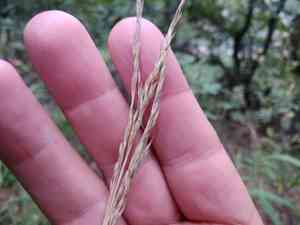
Wallis fescue flourishes when transplanted from the beginning to the end of spring, ensuring prime development. Select a location that receives full sun or partial shade, featuring soil that drains effectively. Steer clear of overly wet ground to guarantee the successful rooting of this enduring plant.
Essential Preparations Before Relocating Wallis Fescue
Optimal Timing for Moving Wallis Fescue?
The best period for relocating wallis fescue spans from early to late spring. This season provides ideal moisture levels and moderate temperatures, promoting root development and robust growth. Transplanting at this time allows the plant to benefit from the entire upcoming growing season, boosting its resilience and lifespan.
Recommended Spacing Between Wallis Fescue Plants?
When moving wallis fescue, ensure a spacing of 6-12 inches (15-30 cm) between them. This provides ample room for root expansion and prevents overcrowding, which can impede growth.
Ideal Soil Blend for Wallis Fescue Relocation?
Prepare well-draining soil for wallis fescue. It's advisable to incorporate some organic compost as a foundational fertilizer to enhance soil fertility and structure. This will supply vital nutrients for healthy development.
Where to Replant Your Wallis Fescue?
Select a spot that receives full sunlight for the majority of the day. Wallis fescue thrives best in areas with abundant sunlight, encouraging strong and vibrant growth.
Tools Required Before Transplanting Wallis Fescue
Gardening Gloves
To safeguard your hands while handling soil and plants.
Shovel or Spade
For excavating the plant from its original spot.
Trowel
For creating holes and manipulating soil.
Garden Fork
To loosen the soil surrounding the plant prior to removal.
Watering Can or Hose
To hydrate the plant and its new planting location.
Pruning Shears
To trim any damaged roots or leaves if necessary.
Bucket or Container
To temporarily hold the plant if required.
How to Extract Wallis Fescue from the Ground?
How to Extract Wallis Fescue from the Ground?
From Ground: First, moisten the wallis fescue plant to dampen the soil. Then, dig a wide trench around the plant using a shovel or spade, ensuring the plant's root ball remains intact. Carefully work the spade beneath the root ball to lift the plant from its initial position.From Pot: Water the wallis fescue plant before removal to help the roots and soil adhere together. Tilt the pot and tap the bottom to dislodge the plant. Gently ease the plant out, making sure to support the root ball with your hand.From Seedling Tray: Water the wallis fescue seedlings before transplanting. Use a trowel to carefully lift each seedling, keeping as much soil around the roots as possible to minimize shock.
Step-by-Step Guide for Relocating Wallis Fescue
Site Preparation
Prepare the new location by thoroughly loosening the soil. Ensure the area is clear of weeds and rocks.
Digging the Hole
Excavate a hole that is twice the width and the same depth as the root ball of the wallis fescue plant.
Placing the Plant
Position the wallis fescue plant into the hole, ensuring it is at the same depth as it was in its previous spot. Backfill the hole with soil, gently firming it around the plant's base.
Watering
Immediately water the wallis fescue plant thoroughly to help the soil settle around the roots.
Post-Transplant Care for Wallis Fescue
Watering
Keep the soil around the wallis fescue consistently moist, but not waterlogged, for the initial weeks after transplanting to aid in strong root establishment.
Mulching
Apply a layer of mulch around the base of the wallis fescue to retain moisture and inhibit weed growth.
Monitoring
Regularly inspect the wallis fescue for indications of transplant shock, such as wilting or discolored leaves, and adjust care as necessary.
Addressing Common Issues with Wallis Fescue Relocation.
When is the best time to move wallis fescue?
Early spring to late spring is ideal for relocating wallis fescue.
How much room do wallis fescue plants require?
Wallis fescue should be spaced 15-30 cm (6-12 inches) apart.
How do I get the soil ready for moving wallis fescue?
Ensure the soil drains well and is rich in organic matter.
What if wallis fescue appears wilted after transplanting?
Water thoroughly and provide some shade to lessen transplant shock.
Why are my wallis fescue leaves yellowing after transplanting?
Yellowing can stem from overwatering, nutrient deficiency, or transplant shock.
How deep should I plant wallis fescue when relocating?
Plant at the same depth wallis fescue was in its prior location.
How often should I water wallis fescue after transplanting?
Water regularly, keeping the soil consistently moist but not saturated.
Does wallis fescue need fertilizer right after transplanting?
Wait a few weeks before applying a balanced fertilizer to wallis fescue.
What kind of mulch is best for wallis fescue after transplanting?
Apply organic mulch, such as compost or straw, 2-3 inches (5-7.5 cm) thick.
How can I safeguard wallis fescue from pests after transplanting?
Utilize organic pest control methods, like neem oil or insecticidal soap.



