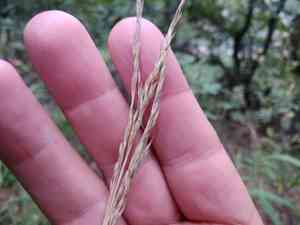
Wallis fescue (Festuca valesiaca)
Also known as: Sheep's Fescue, Hard Fescue
Bromus inermis, known as smooth brome, is a type of flowering plant in the Poaceae family. Originally from Europe and Asia, it was intentionally introduced to North America. It now grows in various states, including Arizona, Kansas, Montana, Vermont, and Wyoming.
In This Article
Attributes of Wallis fescue
Lifespan
Perennial
Plant Type
Grass
Plant Height
20-50 cm
Spread
30-50 cm
Leaf Color
Green to blue-green
Flower Size
Not applicable
Flower Color
Greenish to purple
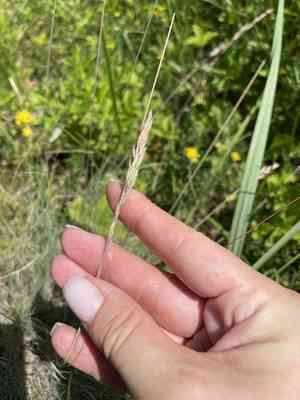
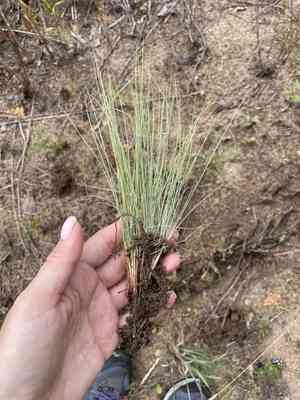
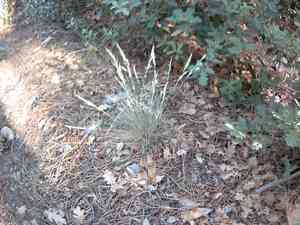
Images of Wallis fescue
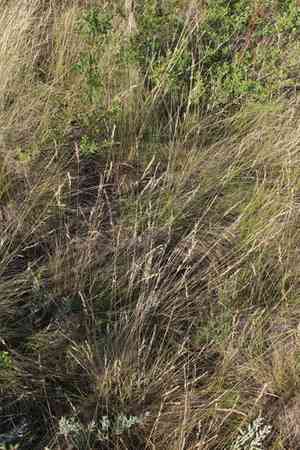
Quickly Identify Wallis fescue
1
To identify Festuca valesiaca, look for its fine, narrow leaves and bunch-forming growth habit. The culms are slender, and the inflorescences are open panicles.
Scientific Classification of Wallis fescue
Phylum
Vascular plants
Class
Monocotyledons
Order
Poales
Family
Grass
Genus
Festuca
Species
Wallis fescue
Planting and Growing of Wallis fescue
Care Difficulty
Moderate
Watering Schedule
Every 3 days
Sunlight Requirements
Full sun
Sunshine Duration
6-8 hours
Ideal Temperature
59-77℉
Soil Type
Potting Mix, Peat Mix
Soil pH
6.5-7.5
Fertilizer Type
Balanced
Pruning Season
Spring, Summer
Pruning Area
Branches, Leaves
Pruning Frequency
2 times a year
Repotting Season
Spring
Pot Type
Plastic, Ceramic
 How to Water Wallis fescue?
When watering Festuca valesiaca, it is important to ensure that the soil is moistened without becoming waterlogged. Each watering session should aim for about 150 ml, allowing the water to reach the root zone. This helps the roots absorb moisture adequately, ensuring that the plant thrives in its environment.
What are the symptoms of an underwatered Wallis fescue?
›
What should I do if my Wallis fescue is not getting enough water?
›
What are the symptoms of an overwatered Wallis fescue?
›
How to save an overwatered Wallis fescue?
›
 What Are the Sunlight Requirements for Wallis fescue?
Festuca valesiaca flourishes in an ideal light range of full sun to partial sun. Such conditions promote robust growth, maintain vibrant leaf coloration, and encourage healthy seed head development.
How much sunlight does it need?
›
What happens if it doesn't get enough light?
›
How to achieve ideal lighting?
›
 What Is the Ideal Temperature Range for Wallis fescue?
For Festuca valesiaca, the ideal growing temperature is between 59°F and 77°F. In this range, the plant can photosynthesize efficiently, leading to optimal growth and health. This temperature range supports balanced moisture retention in the soil, which is crucial for the roots to absorb nutrients effectively.
 What Soil is Best for Wallis fescue?
Festuca valesiaca thrives in well-drained soils that prevent waterlogging. This type of soil helps in maintaining adequate air spaces around the roots, promoting healthy growth and reducing the risk of root rot. This plant is adapted to grow in soils that do not have high nutrient levels, making it great for areas where other plants might struggle. This ability reduces the need for frequent fertilization, making maintenance easier. Festuca valesiaca is highly tolerant of dry soils, which means it can withstand periods of drought. This is particularly beneficial in regions with low rainfall, ensuring the plant remains lush and healthy with minimal water usage.
 How to Fertilize Wallis fescue?
Festuca valesiaca requires a balanced approach when it comes to the amount of fertilizer. For liquid fertilizers, use a diluted solution at half the manufacturer's recommended concentration. Apply about 100-150 ml per square meter. For slow-release fertilizers, spread 10 grams per square meter evenly over the soil surface. Be sure not to overdo it, as too much fertilizer can harm the plant.
 How to Prune Wallis fescue?
Before trimming, inspect the plant to identify any brown or dying foliage. These should be removed first to ensure the health of the Festuca valesiaca. Cut each leaf blade at a 45-degree angle to encourage optimal healing and regrowth, focusing on maintaining the plant’s natural shape. In early Spring, focus on removing any winter damage. During Summer, cut back overgrowth to maintain shape. In Autumn, prepare the plant for dormancy.
 How to Propagate Wallis fescue plant?
1
Begin by soaking the seeds in warm water for 24 hours. This softens the seed coat and can enhance germination rates. After soaking, allow the seeds to dry slightly before sowing them onto a pre-moistened seed tray filled with a suitable growing medium.
2
Distribute the seeds evenly across the surface of the seed tray. Lightly press the seeds into the soil but avoid burying them too deep as they need light for germination. Cover with a thin layer of vermiculite to retain moisture while allowing light penetration.
3
In early spring or autumn, carefully dig up an established Festuca valesiaca clump using a garden fork. Divide the clump into smaller sections with healthy root systems and foliage. Ensure each section has at least three growing points for successful establishment.
 How to Repot Wallis fescue plant?
1
Festuca valesiaca should be repotted when you notice slowed growth, roots emerging from the drainage holes, or when the soil doesn't retain moisture as it used to. These signs indicate it's outgrown its current pot.
2
Select a pot that is slightly larger than the current one with suitable drainage holes. This ensures proper water runoff and prevents root rot while allowing enough space for root expansion, promoting healthy growth.
3
Opt for well-draining sandy soil that mimics its natural habitat. This type of soil prevents waterlogging and enhances root aeration, crucial for its healthy growth and development.



