How to Transplant Hard fescue?
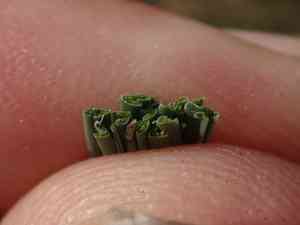
Relocating hard fescue achieves the best results between early and late spring, as this timeframe offers ideal growing circumstances. Select a bright, properly draining site to foster robust growth. Sufficient distance between plants and careful handling are crucial for successful integration.
What Preparations are Needed Before Transplanting Hard Fescue?
What is the Ideal Time for Transplanting Hard Fescue?
The best period for relocating hard fescue is from early to mid-spring. This timeframe provides cool temperatures and mild weather, which minimizes transplant shock and aids root establishment before summer heat. Transplanting during this season ensures the perennial begins growth strongly, maximizing its health and endurance throughout the year.
How Much Space Should You Leave Between Hard Fescue Plants?
When moving hard fescue, ensure each plant is spaced 12-18 inches (30-45 cm) apart. This provides ample room for growth and spreading, preventing them from becoming too crowded.
What is the Best Soil Mix for Hard Fescue Transplanting?
Prepare your soil by selecting a well-draining type, perfect for hard fescue. Incorporate some organic compost and a balanced, slow-release fertilizer to give the plants a nutrient-rich start.
Where Should You Relocate Your Hard Fescue?
Choose a spot that gets full sun to light shade for transplanting hard fescue. They flourish best in areas with at least 6 hours of daily sunlight, but can also endure some shade.
What Equipments Should You Prepare Before Transplantation Hard Fescue?
Gardening Gloves
To safeguard your hands while handling soil and plants.
Trowel
For excavating holes and shifting small quantities of soil.
Shovel or Spade
For digging larger holes and lifting the plant from the ground.
Watering Can or Hose
To irrigate both the original spot and the new transplant location.
Pruning Shears
To trim any damaged or excessively long roots or leaves.
Compost or Organic Matter
To enrich the soil at the new planting site.
Mulch
To help maintain soil moisture and reduce weed growth around the relocated plant.
How Do You Remove Hard Fescue from the Soil?
How Do You Remove Hard Fescue from the Soil?
From Ground: First, moisten the hard fescue plant to dampen the soil. Then, dig a wide trench around the plant using a shovel or spade, ensuring the plant's root ball stays intact. Carefully work the spade beneath the root ball to lift the plant from its initial position.From Pot: Thoroughly water the hard fescue plant. Gently tap the pot's sides and base to loosen the soil. Carefully slide the plant out, holding it by the stem's base and supporting the root ball.From Seedling Tray: Lightly water the hard fescue seedlings to soften the soil. Use a trowel or your fingers to gently lift each seedling by the stem's base, making sure to keep the roots and soil together.
Step-by-Step Guide for Transplanting Hard Fescue
Plant Preparation
Before extracting the hard fescue plant from its initial spot, ensure it is well-hydrated to lessen transplant shock.
Digging the Hole
Excavate a hole in the new location that is twice the width and the same depth as the hard fescue plant's root ball. This allows the roots to spread out easily.
Adding Soil Amendments
Incorporate compost or organic matter into the removed soil to enrich it and help the hard fescue plant establish better in its new environment.
Placing the Plant
Position the hard fescue plant in the hole so the top of the root ball is level with the surrounding soil. Backfill the hole with the enriched soil, gently firming it around the roots.
Watering
Thoroughly water the transplanted hard fescue plant to settle the soil around the roots and eliminate any air pockets.
Mulching
Apply a layer of mulch around the base of the hard fescue plant, but keep it from touching the stems. This will help retain moisture and suppress weeds.
How Do You Care For Hard Fescue After Transplanting?
Watering
Keep the soil around the hard fescue consistently moist, but not waterlogged, for the initial weeks after transplanting to aid in developing strong roots.
Monitoring
Regularly check the hard fescue plant for signs of distress such as wilting or yellowing foliage. Address any issues promptly.
Protection
Shield the hard fescue plant from strong winds or extreme temperatures during the early establishment phase if necessary.
Feeding
After a few weeks, consider providing the hard fescue plant with a balanced, slow-release fertilizer to support its growth.
Troubleshooting Common Issues with Hard Fescue Transplantation.
When is the best time to transplant hard fescue?
The optimal period to relocate hard fescue is from early spring to late spring.
How much space should I leave between hard fescue plants?
Space hard fescue plants 12-18 inches (30-45 cm) apart for optimal growth.
What soil type is best for transplanting hard fescue?
Well-drained soil with good fertility is ideal for relocating hard fescue.
How deep should I plant hard fescue during transplanting?
Plant hard fescue at the same depth it was growing previously, ensuring roots are fully covered.
How do I prepare the soil for hard fescue transplanting?
Loosen the soil and mix in compost to enhance nutrient content before transplanting hard fescue.
Should I water hard fescue immediately after transplanting?
Yes, water hard fescue thoroughly right after transplanting to help the plant settle into its new spot.
How much sunlight does hard fescue require after transplanting?
Hard fescue thrives in either full sun or partial shade, depending on local conditions.
Is it necessary to fertilize hard fescue after transplanting?
A light application of balanced fertilizer can encourage healthy growth for hard fescue post-transplant.
Can I transplant hard fescue in the fall?
For best outcomes, transplant hard fescue from early spring to late spring instead of autumn.
What should I do if hard fescue shows stress after transplanting?
Ensure adequate watering and provide shade if needed, and refrain from fertilizing until the plant stabilizes.



