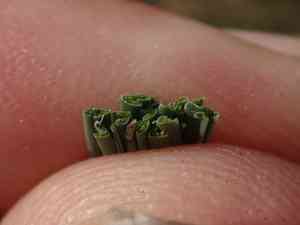
Hard fescue (Festuca trachyphylla)
Also known as: Sheep's Fescue, Hard Fescue
Blue Fescue is a resilient perennial grass characterized by its fine-textured, narrow leaves and distinct blue-green color. This low-maintenance species thrives in full sunlight and well-drained soils, forming dense clumps that are excellent for erosion control. Adapted to cool, dry climates, it’s known for its durability and compact growth, making it a popular choice for landscaping.
In This Article
Attributes of Hard fescue
Lifespan
Perennial
Plant Type
Grass
Plant Height
0.3 to 0.6 meters
Spread
0.2 to 0.4 meters
Leaf Color
Bluish-green
Flower Size
0.2 to 0.3 centimeters
Flower Color
Greenish
Images of Hard fescue
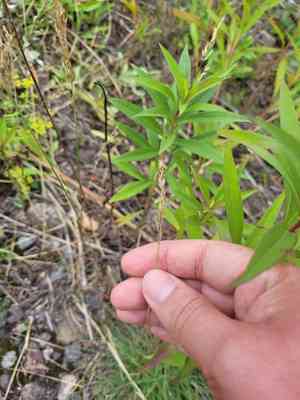
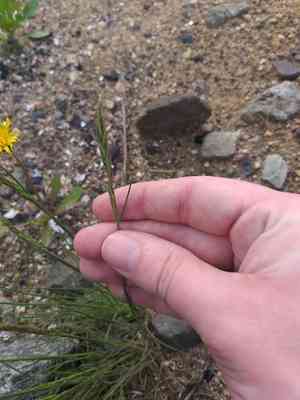
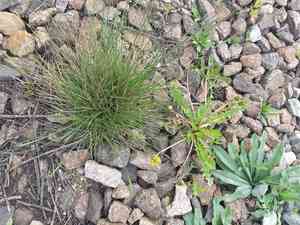
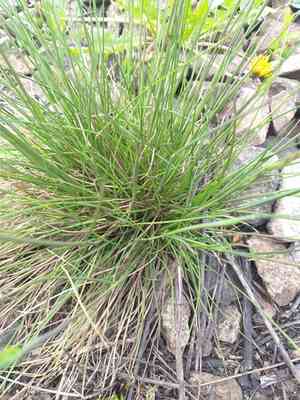
Quickly Identify Hard fescue
1
This grass can be identified by its densely tufted growth, fine narrow leaves, and bluish-green color. It does not form a thatch layer and has a more upright growth habit compared to other fescues.
Scientific Classification of Hard fescue
Phylum
Vascular plants
Class
Monocotyledons
Order
Poales
Family
Grass
Genus
Festuca
Species
Hard fescue
Planting and Growing of Hard fescue
Care Difficulty
Easy
Watering Schedule
Every 2 days
Sunlight Requirements
Full sun
Sunshine Duration
6-10 hours
Ideal Temperature
60-75℉
Soil Type
Potting Mix, Peat Mix
Soil pH
6.5-7.5
Fertilizer Type
Balanced
Pruning Season
Spring, Summer
Pruning Area
Branches, Leaves
Pruning Frequency
2 times a year
Repotting Season
Spring
Pot Type
Plastic, Ceramic
 How to Water Hard fescue?
For Festuca trachyphylla, water until the soil is moistened to a depth of approximately 2 to 3 inches. This ensures the water reaches the root zone, promoting healthy growth. Always allow the soil to dry out between waterings to prevent overwatering, which can lead to root rot.
What are the symptoms of an underwatered Hard fescue?
›
What should I do if my Hard fescue is not getting enough water?
›
What are the symptoms of an overwatered Hard fescue?
›
How to save an overwatered Hard fescue?
›
 What Are the Sunlight Requirements for Hard fescue?
Festuca trachyphylla ideally requires partial to full sun, which encourages lush, vibrant foliage and strengthens its root system. Adequate sunlight is crucial for its overall resilience and decorative appeal.
What is the ideal light for Festuca trachyphylla?
›
How can you ensure ideal lighting conditions?
›
What benefits does ideal sunlight provide?
›
 What Is the Ideal Temperature Range for Hard fescue?
The ideal temperature range for Festuca trachyphylla, also known as Hard Fescue, lies between 60°F and 75°F. This range provides optimal conditions for growth and development, ensuring the plant receives sufficient warmth without excessive heat that could lead to stress. Consistent temperatures within this range support healthy photosynthesis and nutrient uptake.
 What Soil is Best for Hard fescue?
Festuca trachyphylla thrives in well-drained soil that prevents waterlogging, ensuring the roots receive necessary oxygen. This helps avoid root rot, making the plant more robust and healthier. The plant prefers moderately fertile soil, which supplies a balanced array of nutrients. This leads to lush growth and vibrant foliage, enhancing the plant's aesthetic appeal. Festuca trachyphylla grows best in pH-neutral to slightly alkaline soils. This range supports optimal nutrient availability, fostering vigorous growth and reducing the risk of deficiencies.
 How to Fertilize Hard fescue?
For Festuca trachyphylla, apply about 1 pound of nitrogen per 1,000 square feet annually. Ensure that nitrogen is spread evenly, as excessive amounts can cause rapid growth and reduce the plant's stress tolerance.
 How to Prune Hard fescue?
The ideal time for pruning Festuca trachyphylla is during its growing seasons, particularly in spring, summer, and autumn. Pruning in these seasons aids in removing dead or damaged blades, thus encouraging vigorous growth and a tidy appearance. Begin pruning by thoroughly examining the plant to identify and remove any dead or discolored blades. Trim the blades down to about one-third of their height, ensuring you do not cut into the crown of the plant. This promotes healthy new growth and maintains the plant's attractive form. After pruning, water the Festuca trachyphylla adequately to help it recover and stimulate new growth. Additionally, consider applying a balanced fertilizer to provide necessary nutrients that support regrowth and a lush appearance.
 How to Propagate Hard fescue plant?
1
Begin by filling seed trays with a well-draining potting mix. Sow seeds on the surface and cover lightly with soil. Water gently to moisten the soil, and keep the tray in a warm location for optimal germination.
2
For division, carefully dig up the plant during the early spring when new growth emerges. Use a trowel or sharp knife to separate the clumps, ensuring each division has roots and shoots. Replant immediately in prepared soil.
3
After planting seeds or divisions, keep the soil consistently moist but not waterlogged. Use a gentle spray to avoid displacing seeds or damaging young roots. As seedlings establish, gradually reduce watering frequency.
 How to Repot Hard fescue plant?
1
Festuca trachyphylla needs repotting when its roots start to outgrow the drainage holes or the plant becomes root-bound. This usually happens every 2-3 years. Look for signs such as reduced growth, yellowing leaves, or roots circling the pot's base.
2
Select a pot that is one size larger than the current one, with adequate drainage holes. This ensures room for growth while preventing waterlogging, promoting healthy root growth and overall plant health.
3
Opt for a well-draining sandy soil mix that mimics its natural habitat. This choice ensures proper drainage and aeration, reducing the risk of root rot and providing the right nutrients for Festuca trachyphylla.



