How to Transplant Gulf sandmat?
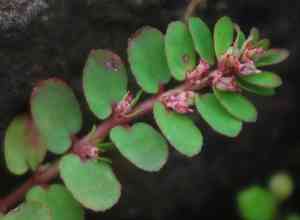
It is most favorable to transplant gulf sandmat during the period from late spring to early summer, as these conditions are ideal for root development. Select locations that offer ample light and good drainage, appreciating gulf sandmat's resilience while carefully fostering its progress in its new environment.
Essential Preparations Before Relocating Gulf Sandmat
Optimal Period for Relocating Gulf Sandmat?
Moving gulf sandmat from late spring to early summer ensures it benefits from prime growing conditions. This timeframe offers milder temperatures, which significantly aids root establishment and minimizes transplant shock. Such timing provides gulf sandmat with the strong start needed to thrive throughout warmer months, utilizing the season's increasing warmth and consistent daylightâa formula for a successful growth cycle.
Recommended Spacing Between Gulf Sandmat Plants?
When transplanting gulf sandmat, ensure each plant has ample room to grow. A spacing of 6-12 inches (15-30 cm) between them is ideal. This prevents excessive competition among neighboring plants.
Ideal Soil Mixture for Gulf Sandmat Relocation?
The best medium for gulf sandmat is well-draining soil enriched with organic matter. Prior to planting, incorporate a balanced, slow-release fertilizer to give your gulf sandmat a nourishing beginning. Remember, a thriving plant starts with healthy soil!
Optimal Location for Your Gulf Sandmat?
Gulf sandmat loves sunlight! Select a site where it can receive full to partial sun exposure. Ensuring your plant gets at least 4-6 hours of sunshine will keep it vibrant and flourishing. A sunny spot in your garden would be perfect.
Tools Required Before Transplanting Gulf Sandmat?
Gardening Gloves
To safeguard your hands while handling soil and plants.
Hand Trowel
For digging small holes and carefully assisting in plant excavation.
Spade or Shovel
Essential for digging around and under larger plants to extract the root ball.
Watering Can or Hose
To hydrate the gulf sandmat plant before and after transplanting to lessen stress.
Measuring Tape
To assist in correctly spacing transplants from one another.
Wheelbarrow or Garden Cart
For moving the gulf sandmat plant, soil, or any amendments.
Pruners or Sharp Knife
To trim any damaged roots or foliage during the transplanting process.
How to Extract Gulf Sandmat from its Current Location?
How to Extract Gulf Sandmat from its Current Location?
From Ground: First, water the gulf sandmat plant to moisten the surrounding earth. Using a spade or shovel, create a circle around the plant, leaving enough room to avoid cutting through the root system. Gently insert the spade beneath the root ball to lift the gulf sandmat plant from its original spot.From Pot: Start by watering the soil in the pot to facilitate the root ball's release. Tilt the pot sideways and gently tap or squeeze the sides to help loosen the plant. Grasp the base of the gulf sandmat plant and carefully ease it out of the pot while supporting the root ball.From Seedling Tray: Moisten the soil to simplify removal. Use a hand trowel or similar tool to carefully scoop out the seedling with its surrounding soil to keep the root ball intact. If roots are emerging from the cell bottom, gently trim them with pruners.
Step-by-Step Guide for Relocating Gulf Sandmat
Transplant Timing
Determine the best time for transplanting gulf sandmat, ideally during cooler parts of the day such as early morning or late afternoon to minimize plant stress.
Hole Preparation
Dig a hole in the ground using a hand trowel that is twice the width of the root ball and the same depth to ensure the plant sits at its previous level.
Plant Positioning
Gently place the gulf sandmat into the hole. Adjust its position so it stands upright and centered.
Soil Backfill
Fill the hole with the excavated soil, gently patting it down without over-compressing to remove air pockets.
Watering
Adequately water the gulf sandmat at its base, ensuring the soil is saturated to help settle the roots.
Mulching
Apply a thin layer of mulch around the base of gulf sandmat to maintain moisture levels and deter weed growth, avoiding contact with the stem to prevent rot.
Post-Transplant Care for Gulf Sandmat
Irrigation
Provide the gulf sandmat with consistent water to aid root establishment, ensuring the soil remains moist but not waterlogged.
Protection
Shield gulf sandmat from strong winds and other environmental factors as it adapts to its new surroundings.
Inspection
Regularly check the gulf sandmat for signs of stress, such as wilting or discoloration, and address any issues promptly.
Support
If gulf sandmat appears unstable, gently stake it to provide additional support until its root system strengthens.
Troubleshooting Common Issues with Gulf Sandmat Relocation.
How do I know the right time to transplant gulf sandmat?
The ideal period for transplanting gulf sandmat is when the weather warms, typically during the blooming and growth season between late spring and early summer.
What is the optimal spacing for gulf sandmat during transplantation?
For gulf sandmat to thrive, it's crucial to space them 6-12 inches (15-30 cm) apart, allowing room for growth and air circulation.
Can gulf sandmat be transplanted in full sun?
Absolutely! Gulf sandmat flourishes in full sunlight. Just ensure it's well-hydrated after transplanting to prevent stress.
Should I water gulf sandmat immediately after transplanting?
Definitely! Give gulf sandmat a thorough watering right after transplanting to help settle the soil and roots.
Why is my gulf sandmat wilting after transplant?
Wilting can indicate shock. Keep the soil moist and provide shade for a few days to aid its recovery.
How deep should I plant the gulf sandmat root ball?
Plant the root ball of gulf sandmat at the same depth it was in its original pot to prevent stem-rot issues.
What soil type is best for transplanting gulf sandmat?
Gulf sandmat prefers well-draining soil. Amend heavy clay soil with compost to enhance drainage.
How do I handle rootbound gulf sandmat plants during transplanting?
Gently untangle the roots of your gulf sandmat, or make vertical cuts to encourage them to spread into the surrounding soil.
My gulf sandmat looks droopy post-transplant, what should I do?
Droopiness is normal; gulf sandmat is adjusting. Keep the soil consistently moist and protect it from strong winds until it perks up.
Do I need to fertilize gulf sandmat after transplanting?
Wait a few weeks post-transplant before fertilizing gulf sandmat to avoid burning the delicate roots, allowing them to establish first.



