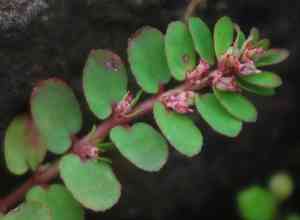
Gulf sandmat (Euphorbia thymifolia)
Also known as: Dwarf Spurge, Thyme-leaf Spurge
Gulf sandmat stands out due to its ecological significance and practical benefits. Though modest in appearance, it plays a crucial role in preventing soil erosion, particularly in coastal and sandy environments. Its flowers attract diverse insects and wildlife, enriching local ecosystems and promoting biodiversity. Unlike many ornamental plants, gulf sandmat is also known for its resilience in tough conditions and has traditional medicinal uses, adding to its overall value.
In This Article
Attributes of Gulf sandmat
Lifespan
Annual
Plant Type
Herb
Plant Height
5 cm
Spread
Spreads up to 0.5 meters (50 cm)
Leaf Color
Green, often with reddish or purplish tints
Flower Size
0.1 mm to 0.3 mm
Flower Color
White Red
Images of Gulf sandmat
Quickly Identify Gulf sandmat
1
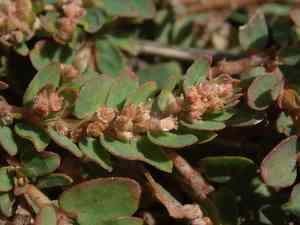
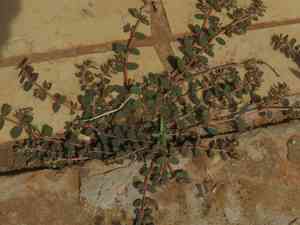
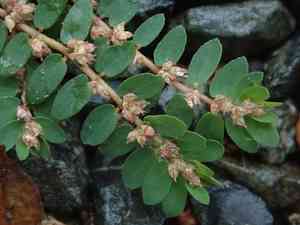
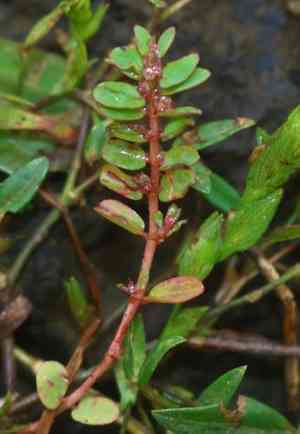
Euphorbia thymifolia can be identified by its prostrate and spreading growth habit, small opposite leaves that are oblong to ovate, and tiny flowers that are clustered in small groups. The leaves often have reddish or purplish tints, especially when exposed to sunlight.
Scientific Classification of Gulf sandmat
Phylum
Vascular plants
Class
Dicotyledons
Order
Malpighiales
Family
Spurge
Genus
Spurges
Species
Gulf sandmat
Planting and Growing of Gulf sandmat
Care Difficulty
Easy
Watering Schedule
Every 4 days
Sunlight Requirements
Partial sun
Sunshine Duration
4-8 hours
Ideal Temperature
65-77℉
Soil Type
Potting Mix, Peat Mix
Soil pH
6.5-7.5
Fertilizer Type
Balanced
Pruning Season
Spring, Summer
Pruning Area
Branches, Leaves
Pruning Frequency
2 times a year
Repotting Season
Spring
Pot Type
Plastic, Terracotta
 How to Water Gulf sandmat?
Euphorbia thymifolia thrives in moderate watering conditions. Ideally, water it with about 150 ml per session. Ensure the soil is moistened but avoid waterlogging. The key is to maintain moist but not soggy conditions to mimic its natural habitat.
What are the symptoms of an underwatered Gulf sandmat?
›
What should I do if my Gulf sandmat is not getting enough water?
›
What are the symptoms of an overwatered Gulf sandmat?
›
How to save an overwatered Gulf sandmat?
›
 What Are the Sunlight Requirements for Gulf sandmat?
Partial to full sun allows Euphorbia thymifolia to maximize its growth potential, ensuring lush foliage and increasing its flowering capability, while strengthening against environmental stresses.
More About Sunlight Requirements Techniques→
What is the ideal location for Euphorbia thymifolia?
›
What special steps are necessary to adjust lighting conditions?
›
What benefits arise from proper lighting?
›
 What Is the Ideal Temperature Range for Gulf sandmat?
The ideal temperature range for cultivating Euphorbia thymifolia is between 65°F and 77°F. This range provides a warm environment that supports optimal growth and metabolic processes. Temperatures within this range allow for proper cellular function, enzymatic activities, and nutrient absorption.
 What Soil is Best for Gulf sandmat?
Euphorbia thymifolia thrives in soils that offer excellent drainage, such as sandy or loamy soils. This characteristic helps prevent waterlogging, which can lead to root rot, ensuring healthy and robust growth. Select soils rich in essential nutrients to support the growth of Euphorbia thymifolia. Such soils provide necessary minerals and organic matter, promoting vigorous plant development and vibrant foliage. Loamy soils, with their balanced texture of sand, silt, and clay, provide an ideal environment. They hold nutrients while allowing air circulation, fostering an optimal growth habitat for Euphorbia thymifolia.
 How to Fertilize Gulf sandmat?
For Euphorbia thymifolia, a small amount of balanced liquid fertilizer, such as 5-10-5 NPK, should be diluted to half the recommended strength. Apply approximately 1 tablespoon worth of this solution per pot, ensuring adequate watering follows to prevent root burn.
 How to Prune Gulf sandmat?
Start by using sharp and clean pruning shears to snip off any dead or yellowing leaves as well as stems. Focus on cutting back any overgrown sections to maintain the plant’s shape and encourage bushier growth. Make cuts just above a leaf node to promote the growth of new branches. When pruning Euphorbia thymifolia, aim to remove no more than a third of the plant at any one time. This prevents shock and allows the plant to recover quickly. Cut back any flowers or seed heads to funnel energy back into stems and leaves, bolstering foliage development.
More About Pruning Techniques→
 How to Propagate Gulf sandmat plant?
1
Collect mature seeds from the Euphorbia thymifolia plant. Ensure the seeds are dried appropriately, removing any pulp or debris. Store them in a cool, dry place until ready for planting to maintain their viability.
2
Cut a healthy stem from the parent plant using a sterile knife. Ensure the cutting is around 4-6 inches long with several nodes. Remove the lower leaves, dip the cut end in rooting hormone, and plant it in well-draining soil.
3
Keep the soil mix slightly moist without overwatering. Place the propagation tray or pot in a location with indirect sunlight. Ensure the temperature remains warm, ideally between 20-25°C, to aid germination or rooting.
 How to Repot Gulf sandmat plant?
1
The best time to repot Euphorbia thymifolia is when you notice that the roots are outgrowing the current pot or if the plant has stopped growing. These are clear signs that the plant needs more space or that the soil quality has diminished.
2
Opt for a pot that is slightly larger than the current one, with adequate drainage holes. This ensures the plant does not become waterlogged, which could lead to root rot. A terracotta pot can be ideal as it allows moisture to evaporate and prevents soil from staying too wet.
3
Select a well-draining soil mix, ideally a cactus potting mix with added perlite. This supports healthy root development and reduces the chance of waterlogged roots, promoting a thriving plant.
Toxicity
Ingestion, Skin contact
WARNING
The judgment on toxicity and danger is for reference only. We DO NOT GUARANTEE any accuracy of such judgment. Therefore, you SHALL NOT rely on such judgment. It is IMPORTANT TO SEEK PROFESSIONAL ADVICE in advance when necessary.
Learn More About Gulf sandmat Diseases
Anthracnose
Bacterial Leaf Spot
Bacterial Soft Rot
Bacterial Wilt
Chemical Injury
Crown Gall
Cyst Nematode
Damping-off
Downy Mildew
Drought Stress
Fusarium Wilt
Gray Mold
Leaf Curl
Leaf Spot
Mosaic
Nutrient Deficiency
Nutrient Toxicity
Powdery Mildew
Root Rot
Root-knot Nematode
Rusts
Sooty Mold
Spider Mites
Temperature Stress
Thrips Damage
White Mold



