How to Transplant Syrian mustard?
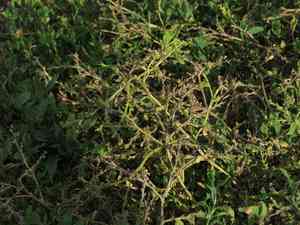
Syrian mustard flourishes when moved in the rejuvenating period of early to mid-spring, capitalizing on the warming earth and extended daylight. Select a bright, adequately drained location for peak development, and guarantee minimal disruption to the root system during the transfer process.
What Preparations are Needed Before Transplanting Syrian Mustard?
What is the Ideal Time for Transplanting Syrian Mustard?
The best time to move syrian mustard is from early to mid-spring. This period ensures the plant benefits from suitable temperatures and increased daylight, fostering strong growth. Transplanting syrian mustard then allows for solid establishment before summer heat, reducing stress and promoting a healthier plant.
How Much Space Should You Leave Between Syrian Mustard Plants?
For syrian mustard, ensure a spacing of approximately 12-18 inches (30-45 cm) between plants to allow ample room for growth and development. This distance helps prevent overcrowding and guarantees each plant receives sufficient resources.
What is the Best Soil Mix for Syrian Mustard Transplanting?
Ensure the soil drains well and is enriched with organic compost. A balanced, all-purpose fertilizer can be incorporated into the soil prior to transplanting to provide syrian mustard with a nutritional boost.
Where Should You Relocate Your Syrian Mustard?
Syrian mustard thrives in full sun, so select a location where it will receive at least 6-8 hours of direct sunlight daily. This will encourage robust growth and vibrant foliage.
What Equipments Should You Prepare Before Transplantation Syrian Mustard?
Gardening Gloves
To safeguard your hands while handling soil and plants.
Shovel or Spade
For digging holes and trenches to remove and replant the specimen.
Trowel
For more precise excavation around the root ball, especially in confined areas.
Watering Can
To hydrate the plant before and after relocation to maintain soil moisture.
Pruners
To trim any damaged roots or leaves during the transplanting procedure.
Garden Fork
To gently loosen the soil surrounding the plant, aiding in easier extraction.
Mulch
To help retain moisture and protect the plant post-transplantation.
How Do You Remove Syrian Mustard from the Soil?
How Do You Remove Syrian Mustard from the Soil?
From Ground: First, water the syrian mustard plant to moisten the soil. Then, dig a wide trench around the plant using a shovel or spade, ensuring the plant's root ball remains intact. Carefully work the spade under the root ball to lift the plant from its original location.From Pot: Water the syrian mustard plant thoroughly. Gently tilt the pot onto its side and tap the edges to loosen the root ball. Carefully slide the plant out, supporting the base with your hand.From Seedling Tray: Water the seedlings well before removal. Use a small tool like a trowel or even a spoon to gently lift each seedling, ensuring as much of the root system as possible is preserved.
Step-by-Step Guide for Transplanting Syrian Mustard
Preparation
Gather all necessary tools, ensuring they are clean and ready for use.
Soil Preparation
Ensure the soil in the new spot is well-prepared, loose, and suitable for the syrian mustard plant.
Dig New Hole
Excavate a hole in the new location that is twice the width and the same depth as the syrian mustard plant's root ball.
Plant Removal
Carefully extract the syrian mustard plant from its original spot using the appropriate method for ground, pot, or seedling tray.
Plant Transplanting
Position the syrian mustard plant in the hole, ensuring it sits at its previous growing depth. Backfill the hole with soil and gently firm it around the base.
Watering
Thoroughly water the syrian mustard plant after transplanting to help settle the soil and encourage root establishment.
Mulching
Apply a layer of mulch around the plant's base, keeping it away from the stem to retain soil moisture and suppress weed growth.
How Do You Care For Syrian Mustard After Transplanting?
Watering
Keep the soil around the syrian mustard consistently moist but not waterlogged for the initial weeks post-transplant to aid in root establishment.
Monitoring
Observe the syrian mustard plant daily for any indications of transplant shock, such as wilting or discoloration, and address them promptly.
Pruning
Trim any dead or damaged leaves to promote new growth and alleviate stress on the plant.
Protection
If necessary, provide support or shelter to protect the syrian mustard plant from harsh weather conditions immediately following transplantation.
Troubleshooting Common Issues with Syrian Mustard Transplantation.
When is the best time to transplant syrian mustard?
The optimal period for transplanting syrian mustard is from early to mid-spring for ideal growth.
How much space should I leave between syrian mustard plants?
Ensure syrian mustard plants are spaced 12-18 inches (30-45 cm) apart for healthy development.
What kind of soil is best for transplanting syrian mustard?
Syrian mustard thrives in well-draining, loamy soil with a neutral pH for optimal results.
How do I prepare the soil before transplanting syrian mustard?
Loosen the soil to a depth of 8 inches (20 cm) and incorporate compost for nutrients.
How should I water syrian mustard after transplanting?
Water thoroughly post-transplant, maintaining consistently moist but not saturated soil.
What should I do if syrian mustard leaves turn yellow?
Check for overwatering or nutrient deficiencies; adjust watering or add fertilizer accordingly.
How much sunlight does syrian mustard need daily?
Syrian mustard requires full sunlight for at least 6 hours daily for optimal growth.
What should I do if transplanting stress appears in syrian mustard?
Provide shade, keep soil moist, and avoid immediate fertilization after transplanting.
How can I protect syrian mustard from pests after transplanting?
Utilize organic insecticides or natural predators like ladybugs to manage pests on syrian mustard.
Can I transplant syrian mustard in a container?
Yes, ensure the container is at least 10 inches (25 cm) deep with adequate drainage.



