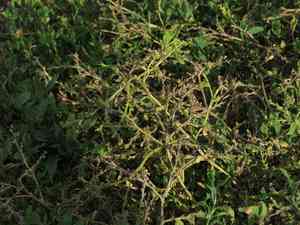
Syrian mustard (Euclidium syriacum)
Also known as: Syrian Mustard, Syrian Radish
Syrian mustard (Bunias orientalis) is a hardy flowering plant indigenous to the Middle East, especially Syria. It features lance-shaped leaves and small flowers that range from white to pale pink, attracting various pollinators. This resilient plant excels in arid environments due to its deep root systems, which help it access water from below the surface, and its ability to efficiently conserve moisture. Its robust adaptability to challenging conditions underscores its evolutionary success. Additionally, the plant's vibrant blooms play a role in enhancing the biodiversity of its native arid regions.
In This Article
Attributes of Syrian mustard
Lifespan
Annual
Plant Type
Herb
Plant Height
10-30 cm
Spread
N/A
Leaf Color
Green
Flower Size
2-5 mm
Flower Color
White or pale yellow
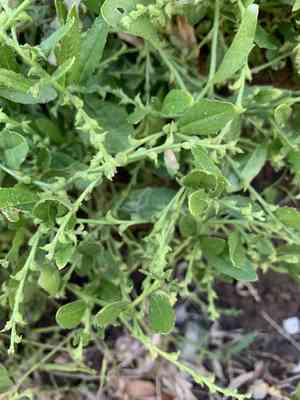
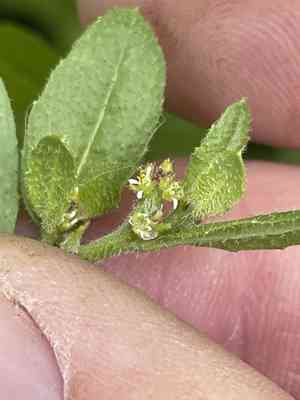
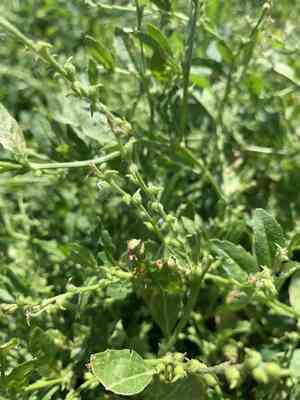
Images of Syrian mustard
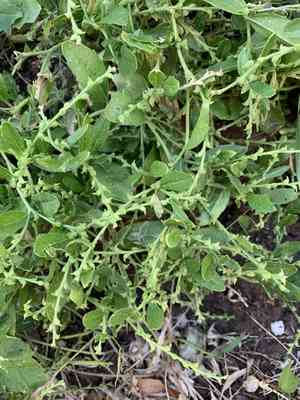
Quickly Identify Syrian mustard
1
Identify Euclidium syriacum by its small white or pale yellow flowers, elongated seed pods, and pinnately lobed leaves. The plant is often found in disturbed soils, such as roadsides and fields.
Scientific Classification of Syrian mustard
Phylum
Vascular plants
Class
Dicotyledons
Order
Brassicales
Family
Cruciferae
Genus
Mustard
Species
Syrian mustard
Planting and Growing of Syrian mustard
Care Difficulty
Moderate
Watering Schedule
Every 2 days
Sunlight Requirements
Full sun
Sunshine Duration
6-10 hours
Ideal Temperature
60-77℉
Soil Type
Potting Mix, Peat Mix
Soil pH
6.5-7.5
Fertilizer Type
Balanced
Pruning Season
Spring, Summer
Pruning Area
Branches, Leaves
Pruning Frequency
2 times a year
Repotting Season
Spring
Pot Type
Plastic, Ceramic
 How to Water Syrian mustard?
Euclidium syriacum typically requires about 150 ml of water per session. The goal is to ensure the soil is consistently moist but not waterlogged. It's crucial to let the top inch of the soil dry out before watering again, maintaining a balance that prevents both under and over-watering.
What are the symptoms of an underwatered Syrian mustard?
›
What should I do if my Syrian mustard is not getting enough water?
›
What are the symptoms of an overwatered Syrian mustard?
›
How to save an overwatered Syrian mustard?
›
 What Are the Sunlight Requirements for Syrian mustard?
Euclidium syriacum performs best in full sun to partial sun. This exposure facilitates optimal flowering and robust plant health, ensuring both top growth and root vitality are sustained without undue stress.
What is the optimal light condition for Euclidium syriacum?
›
How can I ensure Euclidium syriacum receives optimal sunlight?
›
What benefits does full sun provide to Euclidium syriacum?
›
 What Is the Ideal Temperature Range for Syrian mustard?
Maintaining an ideal temperature range of 60°F to 77°F ensures optimal growth and health for Euclidium syriacum. This range allows the plant to carry out photosynthesis efficiently, enhancing nutrient absorption and overall vitality.
 What Soil is Best for Syrian mustard?
Euclidium syriacum thrives best in soils rich in essential nutrients like nitrogen and phosphorus. These elements are crucial for healthy plant growth, ensuring lush foliage and vibrant flowers. The plant requires soil with excellent drainage. This prevents water from pooling around the roots, which can lead to root rot, thus ensuring a healthy root system and vigorous growth. Although Euclidium syriacum handles dry conditions, it prefers soil with moderate moisture levels for optimal growth. Consistent moisture prevents wilting and supports sustained growth during its blooming season.
 How to Fertilize Syrian mustard?
For Euclidium syriacum, moderate feeding is key. Around 5 grams of a balanced 10-10-10 NPK fertilizer per application should suffice. Avoid overwhelming the soil as this plant grows naturally in nutrient-poor conditions.
 How to Prune Syrian mustard?
Start by gently removing any dead or diseased branches to prevent infection spread. Cutting back to healthy tissue ensures mitigating the risk of illness infiltrating the entire plant. Regularly inspect and remove compromised sections promptly. After removing unhealthy parts, proceed to shape the plant by cutting back overgrown branches that disrupt its desired form. Thinning overcrowded areas can improve air circulation, reducing the risk of fungal diseases and promoting better overall health. Consider applying a balanced fertilizer after pruning. This compensates for any stress caused by cutting and provides a nutrient boost to support rapid recovery and encourage new growth. Make sure to water appropriately after fertilizing.
 How to Propagate Syrian mustard plant?
1
Gather seeds from mature Euclidium syriacum plants. Ensure that the seeds have fully ripened before collection, as this improves the chances of successful germination.
2
Fill seed trays with a well-draining potting mix. Moisten the mix slightly to create an ideal environment for seed germination, enhancing their chances of sprouting robustly.
3
Select healthy stems from the parent plant. Cut 4-6 inches long sections, ensuring to include a few nodes, which will help with root development during propagation.
 How to Repot Syrian mustard plant?
1
Euclidium syriacum shows signs like slow growth or roots emerging from the pot's drainage holes. Repotting should ideally occur in spring or autumn when the plant's growth phase accommodates the change best, minimizing stress.
2
Choose a pot one size larger with ample drainage holes to prevent waterlogging. A larger pot provides more space for root expansion, ensuring the plant can continue growing without encountering root-bound stress.
3
Opt for well-draining sandy loam soil; it mirrors its natural habitat. This soil mix ensures healthy root aeration and prevents root rot, promoting robust growth and nutrient uptake for your Euclidium syriacum.



