How to Transplant Olympic mountain aster?
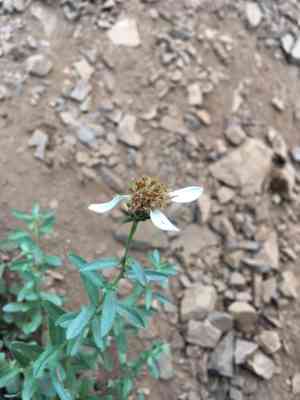
Olympic mountain aster flourishes most effectively when relocated between early and late spring, due to the milder temperatures which aid in root development. Select a bright spot with soil that drains efficiently for peak growth. Steer clear of overly wet areas to guarantee robust progress.
Necessary Preparations Before Relocating Olympic Mountain Aster?
Optimal Timing for Relocating Olympic Mountain Aster?
The best time to move olympic mountain aster, a perennial, is from early to late spring. This schedule allows the plant to establish its root system before summer heat, promoting robust growth and better adaptation to its new site. Transplanting during this season maximizes the plant's health and resilience due to favorable soil moisture and temperature conditions.
Recommended Spacing Between Olympic Mountain Aster Plants?
For your olympic mountain aster plant, ensure a separation of 18-24 inches (45-60 cm). This provides ample room for each plant to flourish without competing for nutrients or sunlight.
Ideal Soil Mixture for Olympic Mountain Aster Relocation?
Prepare the soil by ensuring it drains well and has a somewhat sandy texture. Incorporate a balanced, slow-release fertilizer to provide your olympic mountain aster with a nutritional boost as it settles in.
Where to Replant Your Olympic Mountain Aster?
Choose a sunny spot for relocating your olympic mountain aster. These plants thrive best with at least 6 hours of direct sunlight daily, which aids in their strong and healthy development.
Equipment Required Before Transplanting Olympic Mountain Aster?
Gardening Gloves
To safeguard your hands while handling soil and the plant.
Spade or Shovel
For digging around and carefully lifting the plant from its original spot.
Pruners
Useful for trimming any damaged roots or stems.
Watering Can or Hose
To hydrate the plant before and after its relocation.
Trowel
For more precise, smaller-scale digging tasks.
How to Extract Olympic Mountain Aster from the Ground?
How to Extract Olympic Mountain Aster from the Ground?
From Ground: First, moisten the soil around the olympic mountain aster plant by watering it. Then, using a shovel or spade, dig a wide trench around the plant, ensuring the root ball remains intact. Carefully work the spade beneath the root ball to lift the plant from its initial position.From Pot: Begin by gently tilting the pot on its side and carefully easing the olympic mountain aster plant out, supporting its base. If the plant is resistant, tap the pot's sides to loosen the soil. Avoid pulling the plant by its stem to prevent harm.From Seedling Tray: Water the seedlings to facilitate removal. Use a trowel or your hands to gently lift each olympic mountain aster seedling from the tray, supporting its root ball and minimizing root disturbance.
Detailed Steps for Transplanting Olympic Mountain Aster
Prepare New Site
Dig a hole in the ground that is twice the width of the olympic mountain aster plant's root ball but no deeper than its current root depth. This ensures ample room for root expansion.
Improve Soil Quality
If needed, mix in some organic material or compost to enrich the soil's nutrient content and improve drainage, making it more suitable for the olympic mountain aster plant.
Transplanting
Position the olympic mountain aster plant in the center of the hole at the same depth it was growing previously. Backfill the hole with soil, gently pressing down to eliminate air pockets and ensure the plant is stable.
Watering
Immediately water the olympic mountain aster plant thoroughly after transplanting to help settle the soil around the roots and provide initial hydration.
Mulching
Apply a layer of mulch around the base of the olympic mountain aster plant, but avoid piling it directly against the stem. Mulching helps retain moisture and suppress weeds.
Post-Transplant Care for Olympic Mountain Aster
Watering
Keep the soil around the olympic mountain aster consistently moist, but not waterlogged, for the first few weeks after transplanting to aid in developing strong roots.
Monitoring
Observe the olympic mountain aster for signs of transplant shock, such as wilting or yellowing leaves. If observed, provide additional care and ensure the plant's requirements are met.
Pruning
Remove any damaged or dead foliage to allow the plant to direct its energy towards new growth.
Fertilizing
Wait a few weeks before applying any fertilizer, allowing the olympic mountain aster to acclimate to its new surroundings first.
Resolving Common Issues with Olympic Mountain Aster Transplantation.
When is the best time to transplant olympic mountain aster?
The optimal period for relocating olympic mountain aster is from early spring to late spring.
What is the optimal spacing for olympic mountain aster?
Plant olympic mountain aster 18-24 inches (45-60 cm) apart to ensure proper growth.
How do I prepare the soil for olympic mountain aster?
Use well-draining soil enriched with organic matter to promote healthy root development for olympic mountain aster.
What should I do if olympic mountain aster wilts after transplanting?
Ensure adequate watering and shading for the first few weeks to help olympic mountain aster recover.
How deep should I dig when transplanting olympic mountain aster?
Dig a hole double the size of the root ball of olympic mountain aster to prevent root damage.
How do I minimize transplant shock for olympic mountain aster?
Transplant olympic mountain aster on a cloudy day or late afternoon to reduce stress and exposure.
What should I do if olympic mountain aster's roots are tightly bound?
Gently tease the roots apart to encourage growth before placing olympic mountain aster in the new location.
Is mulching beneficial for olympic mountain aster after transplanting?
Apply a 2-3 inch (5-7.5 cm) layer of mulch to retain moisture and control weeds.
How often should I water olympic mountain aster after transplanting?
Water olympic mountain aster thoroughly after planting and maintain consistent moisture levels until established.
Can I fertilize olympic mountain aster immediately after transplanting?
Wait a few weeks before fertilizing olympic mountain aster to let its roots settle into the new soil.



