How to Propagate Olympic mountain aster?
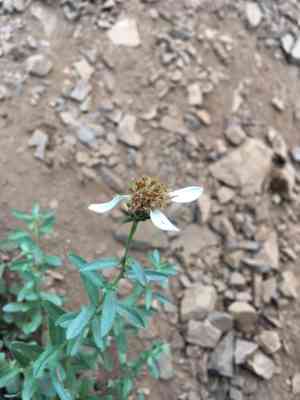
The Olympic mountain aster, a robust perennial from the Asteraceae family, originates in elevated terrains. To propagate, employ stratified seeds planted in porous soil, maintaining steady dampness without saturation to encourage successful sprouting. Evaluate light conditions for peak development. These approaches contribute to cultivating vigorous plants suitable for diverse gardening settings. Accurate planting methods, substrate maintenance, and hydration control are vital for effective propagation.
When Is the Best Time to Propagate Olympic Mountain Aster?
Propagation Method
Seeding
Propagation Period
Spring
What Equipment Is Used for Olympic Mountain Aster Propagation?
Seed Trays
Seed trays offer a controlled setting for initiating olympic mountain aster seeds. They facilitate proper spacing, drainage, and easy monitoring of seedling development, which is vital for successful germination and growth.
Seed Starting Mix
A premium seed starting mix is crucial for providing the correct balance of moisture retention and drainage. This medium encourages healthy root formation and minimizes disease risk in young olympic mountain aster seedlings.
Transparent Humidity Domes
Humidity domes help maintain the necessary humidity levels for seed germination. For olympic mountain aster, ensuring consistent moisture without waterlogging is key to successful seedling emergence.
Heating Mat
A heating mat can supply consistent bottom warmth to seed trays, aiding in maintaining the ideal soil temperature for seed germination. This tool is especially useful in colder climates or seasons to ensure stable conditions for olympic mountain aster's seeds.
Spray Bottle
A fine mist spray bottle allows for gentle irrigation of olympic mountain aster seedlings. This prevents dislodging seeds or harming delicate seedlings, ensuring they remain adequately moist without becoming overly saturated.
Seed Labeling Tags
Proper labeling of seed trays with tags ensures each variety can be easily identified throughout the propagation process. This is particularly important for distinguishing variations in treatment or sowing dates for olympic mountain aster.
Small Hand Trowel
A small hand trowel is useful for handling seed starting mix and planting seeds at the correct depth. Accurate sowing depth is critical for olympic mountain aster as it impacts germination success.
Plastic Wrap
Plastic wrap can serve as an alternative to humidity domes to cover seed trays and maintain humidity. This helps create a micro-environment that promotes the germination of olympic mountain aster's seeds.
Plant Labels
Using plant labels during propagation helps track the progress and care requirements of olympic mountain aster. This ensures consistency and organization throughout the gardening steps.
Notebook or Garden Journal
Keeping a garden journal to record sowing dates, germination rates, and growth observations helps track olympic mountain aster's progress and informs future propagation efforts for improved results.
How to Propagate Olympic Mountain Aster?
Propagation Difficulty
Simple
How to Care for Your Newly Propagated Olympic Mountain Aster?
How to Care for Your Newly Propagated Olympic Mountain Aster?
After propagating olympic mountain aster, ensure young plants are watered regularly but allow the soil to dry between waterings to prevent root rot. Mulch around the base to retain moisture and suppress weeds. Fertilize sparingly with a balanced, all-purpose fertilizer. Monitor for pests and diseases, and provide support if needed as they grow. Prune back in late winter or early spring to encourage bushier growth and more blooms.
Common Mistakes to Avoid When Propagating Olympic Mountain Aster
Overwatering
Excessive moisture can lead to root rot, killing cuttings before they have a chance to establish.
Incorrect Soil Mix
Using a soil mix that is too dense or retains too much water can suffocate the roots and prevent proper drainage.
Improper Sanitation
Using unsterilized tools or containers can introduce pathogens, leading to diseases that affect young plants.
Inadequate Light Conditions
Providing either too much direct sunlight or insufficient light can stress the cuttings, hampering their growth.
Lack of Humidity
Not maintaining adequate humidity levels can cause cuttings to dry out before they develop roots.
Tips For Propagating Olympic Mountain Aster
Optimal Soil Mix
Use a well-draining soil mix that contains perlite or sand to ensure proper aeration and moisture control.
Water Management
Water the cuttings sparingly, ensuring the soil remains moist but not waterlogged.
Sanitize Tools
Always use sterilized cutting tools and containers to prevent the introduction of diseases.
Controlled Light Exposure
Provide bright, indirect light to support photosynthesis without causing stress from intense sunlight.
Maintain Humidity
Cover cuttings with a plastic dome or mist regularly to maintain a humid environment, aiding root development.



