How to Transplant Wandoo?
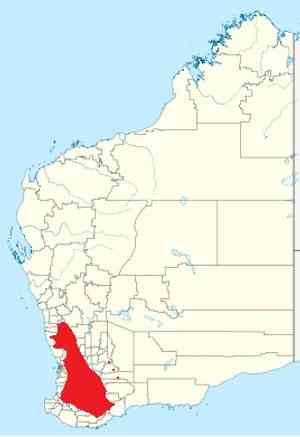
The ideal period for relocating wandoo is in the revitalizing early to mid-spring, when temperatures are moderate. Select a bright spot with soil that drains effectively to guarantee peak development and vigor. Be sure to thoroughly hydrate the plant after its transfer.
What Preparations are Needed Before Transplanting Wandoo?
What is the Ideal Time for Transplanting Wandoo?
Moving wandoo in early to mid-spring is optimal due to mild temperatures and increased soil moisture. This timing allows wandoo to establish roots before summer heat, enhancing growth and resilience. Early spring relocation ensures that wandoo integrates well with its environment, leading to a healthier, more robust perennial plant.
How Much Space Should You Leave Between Wandoo Plants?
When relocating wandoo, ensure each plant is spaced 10-15 feet (3-4.5 meters) apart to allow ample room for growth and to avoid overcrowding. This spacing will help the plants to thrive and get enough air circulation.
What is the Best Soil Mix for Wandoo Transplanting?
Prepare well-drained soil with a slightly acidic to neutral pH. Mix in a base fertilizer, like a balanced slow-release type, to give wandoo the nutrients it needs to establish itself. Ensure the soil is loose and well-tilled.
Where Should You Relocate Your Wandoo?
Choose a sunny location for relocating wandoo. This perennial plant prefers full sunlight, which means at least 6 hours of direct sunlight daily. Avoid shaded areas to ensure healthy growth.
What Equipments Should You Prepare Before Transplantation Wandoo?
Gardening Gloves
To protect your hands while working with the soil and plant.
Shovel or Spade
For digging and removing the plant from its original location.
Trowel
For more precise digging and adjusting the planting hole.
Watering Can or Hose
To keep the soil moist during and after the transplanting process.
Pruners
To trim any damaged roots or branches.
Burlap or Cloth
To wrap the root ball for support during transplanting.
How Do You Remove Wandoo from the Soil?
How Do You Remove Wandoo from the Soil?
From Ground: First, water the wandoo plant to dampen the soil. Then, dig a wide trench around the plant using a shovel or spade, ensuring the plant's root ball remains intact. Carefully work the spade under the root ball to lift the plant from its original location.From Pot: Water the wandoo plant thoroughly. Gently tap the pot to loosen the soil and root ball. Turn the pot sideways and carefully slide the plant out, supporting the root ball with your hand.From Seedling Tray: Water the wandoo seedlings before removal. Use a trowel or spoon to gently lift each seedling from the tray, ensuring you keep the root system intact. Handle the seedlings by their leaves to avoid damaging the delicate stems.
Step-by-Step Guide for Transplanting Wandoo
Prepare the New Site
Dig a hole twice as wide and just as deep as the root ball of your wandoo plant. Ensure the hole has loose soil at the bottom to encourage root growth.
Remove the Plant
Follow the specific procedure for removing the wandoo from the ground, pot, or seedling tray as described in the 'removal process' section.
Inspect and Prune
Check the roots for any signs of damage or disease. Trim any broken or unhealthy roots with clean pruners.
Place the Plant
Position the wandoo plant in the center of the hole with the top of the root ball at ground level. Spread the roots out gently if needed.
Backfill the Hole
Fill the hole around the plant with soil, pressing it down gently to remove air pockets. Be careful not to cover the base of the stem with too much soil.
Water Thoroughly
Water the newly transplanted wandoo generously to help settle the soil and eliminate any remaining air pockets.
Mulch (Optional)
Apply a layer of mulch around the base of the wandoo plant to retain moisture and regulate soil temperature. Ensure the mulch does not touch the stem directly.
How Do You Care For Wandoo After Transplanting?
Watering
Keep the soil around the wandoo consistently moist, but not soggy, for the first few weeks after transplanting to help establish strong roots.
Monitoring
Regularly check the wandoo for signs of transplant shock, such as wilting or leaf drop. Provide extra care if needed.
Protection
If transplanting in hot weather, provide temporary shade for the wandoo plant to reduce stress. Use burlap or shade cloth as a cover if necessary.
Troubleshooting Common Issues with Wandoo Transplantation.
When is the best time to transplant wandoo?
Relocate wandoo during early to mid-spring for optimal growth and establishment.
How far apart should wandoo be spaced?
Space wandoo 10-15 feet (3-4.5 meters) apart to allow for proper growth.
What soil type is best for transplanting wandoo?
Plant wandoo in well-drained, sandy to loamy soil to ensure healthy development.
How much water does wandoo need after transplanting?
Water wandoo thoroughly after transplanting, and keep soil consistently moist for the first few weeks.
Should I fertilize wandoo immediately after transplanting?
Avoid fertilizing wandoo right after transplanting. Wait until new growth appears before applying fertilizer.
What should I do if wandoo shows signs of transplant shock?
Keep the soil consistently moist, shade the plant, and avoid fertilizing until recovery starts.
Can I transplant wandoo in fall?
It's best to transplant wandoo in early to mid-spring, not in fall, for better results.
How do I prepare wandoo for transplanting?
Water wandoo well a day before transplanting, and dig a generous root ball to minimize root damage.
What kind of mulch is best for wandoo after transplant?
Use organic mulch like bark or wood chips around wandoo to retain moisture and regulate temperature.
How deep should I plant wandoo?
Plant wandoo at the same depth it was growing before to avoid stress and ensure stability.



