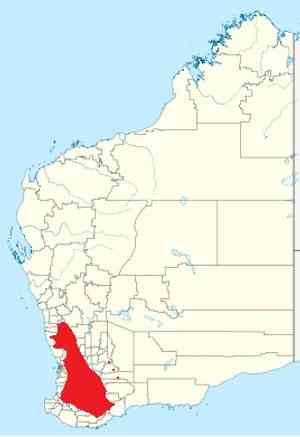
Wandoo (Eucalyptus wandoo)
Also known as: White gum, Wandoo
Eucalyptus wandoo, commonly known as Wandoo, is a native tree of Western Australia, first described by botanist William Faris Blakely in 1934. The name "Wandoo" is derived from the Noongar Aboriginal language, where it refers specifically to this type of eucalyptus. Known for its dense wood, Wandoo was historically valued for heavy-duty applications such as railway sleepers and was also harvested for tannin from its wood and bark. While it is not commercially grown today, its historical uses highlight its significance.
In This Article
Attributes of Wandoo
Lifespan
Perennial
Plant Type
Tree
Plant Height
10 to 25 meters
Spread
Up to 15 meters
Leaf Color
Dull green
Flower Size
Approximately 1 cm
Flower Color
Creamy white
Images of Wandoo
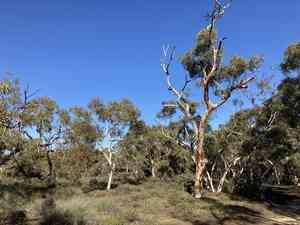
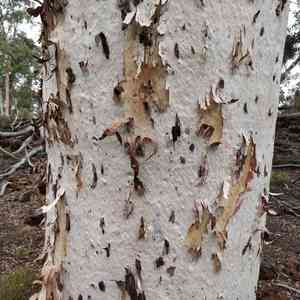
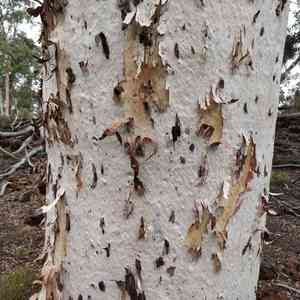
Quickly Identify Wandoo
1
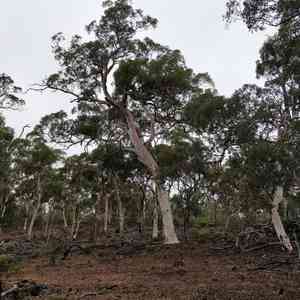
To identify Eucalyptus wandoo, look for its smooth white bark that sheds in patches, broadly lanceolate to ovate leaves that are dull green, and creamy white flowers that appear in clusters.
Scientific Classification of Wandoo
Phylum
Vascular plants
Class
Dicotyledons
Order
Myrtales
Family
Myrtle
Genus
Eucalypts
Species
Wandoo
Planting and Growing of Wandoo
Care Difficulty
Moderate
Watering Schedule
Every 2 days
Sunlight Requirements
Full sun
Sunshine Duration
4-6 hours
Ideal Temperature
65-77℉
Soil Type
Potting Mix, Peat Mix
Soil pH
6.5-7.5
Fertilizer Type
Balanced
Pruning Season
Spring, Summer
Pruning Area
Branches, Leaves
Pruning Frequency
2 times a year
Repotting Season
Spring
Pot Type
Plastic, Ceramic
 How to Water Wandoo?
The watering amount for Eucalyptus wandoo should strike a balance—enough to keep the soil slightly moist without turning it into a swamp. Aim for about 500 ml to ensure the soil remains hydrated but not waterlogged, allowing proper aeration and nutrient uptake.
What are the symptoms of an underwatered Wandoo?
›
What should I do if my Wandoo is not getting enough water?
›
What are the symptoms of an overwatered Wandoo?
›
How to save an overwatered Wandoo?
›
 What Are the Sunlight Requirements for Wandoo?
The Eucalyptus wandoo thrives in full sun conditions, typically requiring about 6 to 8 hours of direct light daily. Optimal sunlight enhances its growth, vitality, and overall resilience.
Preferred Sun Exposure
›
Solution for Optimal Light
›
Benefits of Ideal Light
›
 What Is the Ideal Temperature Range for Wandoo?
The ideal temperature range for Eucalyptus wandoo is between 65°F to 77°F. Maintaining this range ensures optimal growth and health, supporting photosynthesis and metabolic processes. Temperatures below or above this range could potentially stress the plant, leading to reduced growth or health problems.
 What Soil is Best for Wandoo?
Eucalyptus wandoo thrives in well-drained soils, which prevent root rot by allowing excess water to escape. This helps the plant maintain healthy roots and avoids waterlogging that can be detrimental to its growth. A nutrient-rich soil supports the vigorous growth of Eucalyptus wandoo, providing essential minerals and nutrients for its development. Such a soil ensures ample supply for photosynthesis and cellular processes. Proper air flow within the soil is vital for Eucalyptus wandoo as it ensures sufficient oxygen reaches the roots. This allows effective respiration and enhances nutrient absorption, promoting robust plant health.
 How to Fertilize Wandoo?
Eucalyptus wandoo requires a thoughtful approach to fertilizing due to its resilience and sensitivity. When using liquid fertilizers, it is recommended to use a balanced blend of nutrients at half the strength of recommended dosages for typical houseplants. Apply approximately 250 ml for a mature tree or 100 ml for younger plants per session, ensuring the soil remains moist but not waterlogged.
 How to Prune Wandoo?
Examine the Eucalyptus wandoo tree and identify any dead, diseased, or damaged branches. Look for crossing branches that may hinder growth or disrupt the tree’s natural shape. Mark the branches you plan to prune for easy identification. Utilize clean and sharp pruning shears or saws to ensure smooth cuts. This reduces the risk of introducing diseases to the tree. Always disinfect your tools before and after use to maintain tree health and prevent cross-contamination. When pruning, make cuts just above the node where the branch meets the trunk. Ensure you angle the cut slightly away from the node to prevent water accumulation and encourage proper healing. Avoid making flush cuts as they can damage the tree. Eliminate any suckers growing at the base of the trunk or water sprouts that may arise from the tree’s branches. These can divert energy from the main branches and lead to weaker growth. Regular removal helps focus the tree’s resources.
More About Pruning Techniques→
 How to Propagate Wandoo plant?
1
Collect mature Eucalyptus wandoo seeds from pods that have dried and opened. Clean them thoroughly to remove debris and any fungal spores that could inhibit germination.
2
Fill a seed tray with a light, well-draining mix. Lightly press the seeds into the soil surface and dust over some fine soil. Keep the tray moist and in a warm place.
3
Select healthy branches of about 10-15 cm. Make sure to cut just below a leaf node, remove the lower leaves, and dip the end in rooting hormone before planting in potting mix.
 How to Repot Wandoo plant?
1
Eucalyptus wandoo should be repotted when you notice roots emerging through the drainage holes, or if growth appears stunted despite regular care. Spring to early summer is ideal as warmer temperatures encourage root development, helping the tree adjust quickly to its new home.
2
Opt for a pot that is 2-3 inches larger in diameter than the current one, ensuring good drainage with ample holes at the bottom. Terracotta pots are excellent as they allow excess moisture to evaporate, preventing root rot, which is a common issue for Eucalyptus species.
3
Use a well-draining sandy loam, ideally mixed with perlite or coarse sand, to mimic its natural Australian habitat. This soil ensures proper aeration and drainage, preventing waterlogged conditions that could stress the roots.
Toxicity
Ingestion
WARNING
The judgment on toxicity and danger is for reference only. We DO NOT GUARANTEE any accuracy of such judgment. Therefore, you SHALL NOT rely on such judgment. It is IMPORTANT TO SEEK PROFESSIONAL ADVICE in advance when necessary.



