How to Transplant Desert poppy?
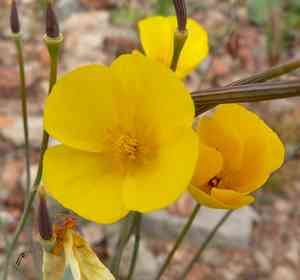
Desert poppy flourishes when relocated during the initial to middle part of spring. This period guarantees more temperate atmospheric conditions, thereby reducing the impact of transplant stress. Choose a bright, adequately draining location to facilitate robust development. Refrain from moving the plant during periods of extreme heat or cold, or under intense solar exposure.
Preparations Required Before Relocating Desert Poppy
Optimal Period for Relocating Desert Poppy?
The best time to move desert poppy is during the initial to middle part of spring. Moving it then allows desert poppy to develop roots prior to the intense summer heat. Mild temperatures and increased moisture levels contribute to better survival rates and robust growth, ensuring a vibrant display throughout the growing season.
Recommended Spacing Between Desert Poppy Plants?
When relocating desert poppy, aim for a spacing of approximately 6 inches (15 cm) between them. This provides ample room for development and helps ensure each plant receives adequate nutrients and sunlight.
Best Soil Mixture for Desert Poppy Relocation?
Prepare sandy, well-draining soil for desert poppy. Incorporate some organic base fertilizer, such as compost or slow-release granular fertilizer, to stimulate initial growth and guarantee the plant has essential nutrients.
Where to Replant Your Desert Poppy?
Choose a sunny spot for relocating desert poppy; it flourishes with full sunlight. Aim for at least 6â8 hours of direct sunlight daily to encourage healthy growth and vibrant blooms.
Equipment Needed Before Relocating Desert Poppy?
Gardening Gloves
To safeguard your hands while handling soil and the plant.
Small Trowel
To dig around the plant and loosen the soil in its initial spot.
Shovel or Spade
For excavating the trench around the root ball when extracting the plant from the ground.
Watering Can
To hydrate the plant before and after relocation.
Gardening Fork
To gently lift the plant if it's in a container or seedling tray.
Plastic Sheet or Cloth
To place the plant on during the relocation process, especially if removed from a seedling tray.
Stakes
To support the plant after relocation if necessary.
Mulch
To help maintain moisture around the newly relocated plant.
How to Extract Desert Poppy from the Soil?
How to Extract Desert Poppy from the Soil?
From Ground: First, water the desert poppy plant to moisten the soil. Then, dig a wide trench around the plant using a shovel or spade, ensuring the plant's root ball remains intact. Carefully work the spade beneath the root ball and lift the plant from its original location.From Pot: Gently water the soil in the pot to facilitate plant removal. Turn the pot on its side and gently tap the sides and bottom to loosen the soil. Carefully slide the plant out, supporting the root ball with your hand.From Seedling Tray: Lightly water the seedlings to ease removal. Use a small trowel or gardening fork to gently lift the seedling, taking care not to harm the delicate roots. Place the seedling on a plastic sheet or cloth while preparing the new planting site.
Step-by-Step Guide for Relocating Desert Poppy
Prepare the New Site
Ensure the new planting location is ready with appropriate soil and sufficient space for the mature plant. Remove any weeds or debris.
Dig the Planting Hole
Excavate a hole at the new site that is twice as wide and the same depth as the root ball of the desert poppy plant. This ensures the roots have ample room to spread.
Move the Plant
Place the desert poppy plant into the new hole, ensuring it sits at the same depth as it was in its previous spot. Fill the hole with soil, gently firming it around the roots to eliminate any air pockets.
Water the Plant
Thoroughly water the relocated desert poppy plant to help settle the soil around the roots.
Stabilize the Plant
If needed, use stakes to provide extra support to the plant, especially if it's in a windy area.
Post-Relocation Care for Desert Poppy
Watering
Keep the soil around the desert poppy consistently damp, but not waterlogged, for the initial few weeks after relocation to help establish strong roots.
Mulching
Apply a layer of mulch around the base of the desert poppy plant to retain moisture and regulate soil temperature.
Monitoring
Regularly inspect the plant for any indications of stress or pests, addressing any issues promptly to ensure healthy growth.
Protection
If relocating during a particularly sunny or windy period, consider providing temporary shade or windbreaks to shield the plant as it adjusts.
Troubleshooting Common Issues with Desert Poppy Relocation.
When is the best time to relocate desert poppy?
Relocate desert poppy in early to mid-spring for optimal growth and establishment.
How much space should I leave between desert poppy plants?
Ensure desert poppy plants are spaced 6 inches (15 cm) apart for healthy growth.
How should I prepare the soil for relocating desert poppy?
Loosen the soil to 6 inches (15 cm) depth, and mix in compost for nutrients.
What type of soil is best for desert poppy?
Desert poppy prefers well-draining, sandy or loamy soil with good sun exposure.
How much water does desert poppy need after relocating?
Water desert poppy lightly but consistently to keep the soil slightly moist, not waterlogged.
What should I do if desert poppy plants look wilted after relocating?
Provide some shade and water regularly to help desert poppy recover from transplant shock.
How deep should I plant desert poppy seedlings?
Plant desert poppy seedlings at the same depth they were growing in their original container.
Can I relocate desert poppy if it's already flowering?
Itâs best to relocate desert poppy before flowering; otherwise, the plant may struggle to establish.
How can I minimize root damage when relocating desert poppy?
Gently loosen the soil around desert poppy and carefully lift it, avoiding pulling on stems.
What environmental conditions are ideal for relocating desert poppy?
Relocate desert poppy on a cool, cloudy day to reduce transplant shock and sun stress.



