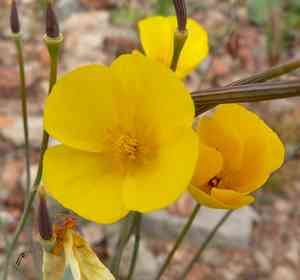
Desert poppy (Eschscholzia glyptosperma)
Also known as: Mojave poppy
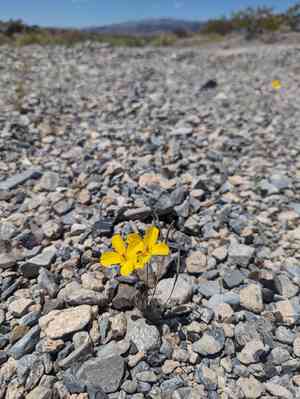
Eschscholzia glyptosperma, commonly known as desert gold poppy, is an annual herb characterized by its basal rosette of finely divided leaves. Its erect stems can grow up to approximately 25 centimeters (around 10 inches) tall, each typically supporting a solitary bright yellow flower.
In This Article
Attributes of Desert poppy
Lifespan
Annual
Plant Type
Herb
Plant Height
6-12 inches (15-30 cm)
Spread
Not applicable for herbaceous plants
Leaf Color
Blue-green
Flower Size
1-2 inches (2.5-5 cm)
Flower Color
Bright yellow to orange
Images of Desert poppy
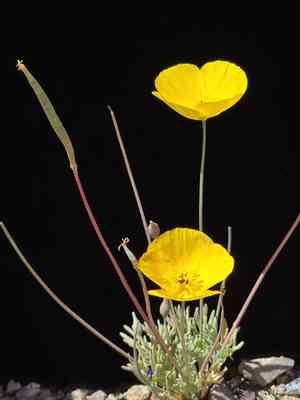
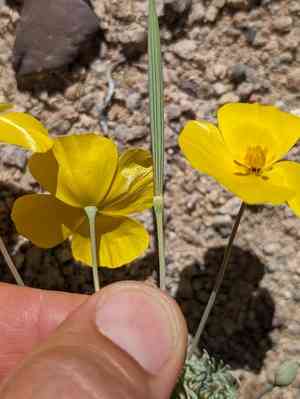
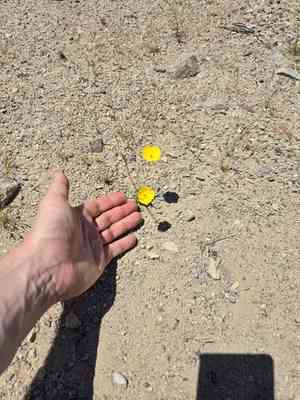
Quickly Identify Desert poppy
1
Look for its bright yellow to orange cup-shaped flowers and finely divided, blue-green leaves. The flowers typically have four petals and are about 1 to 2 inches in diameter.
Scientific Classification of Desert poppy
Phylum
Vascular plants
Class
Dicotyledons
Order
Ranunculales
Family
Poppy
Genus
Golden poppies
Species
Desert poppy
Planting and Growing of Desert poppy
Care Difficulty
Easy
Watering Schedule
Every 2 days
Sunlight Requirements
Full sun
Sunshine Duration
6-12 hours
Ideal Temperature
60-75℉
Soil Type
Potting Mix, Peat Mix
Soil pH
6.5-7.5
Fertilizer Type
Balanced
Pruning Season
Spring, Summer
Pruning Area
Branches, Leaves
Pruning Frequency
2 times a year
Repotting Season
Spring
Pot Type
Plastic, Ceramic
 How to Water Desert poppy?
For Eschscholzia glyptosperma, watering should be moderate, around 100 ml per session. Ensure the water reaches the roots but does not oversaturate the soil, which can be harmful. The goal is to moisten the upper inches of the soil without leaving it soggy.
What are the symptoms of an underwatered Desert poppy?
›
What should I do if my Desert poppy is not getting enough water?
›
What are the symptoms of an overwatered Desert poppy?
›
How to save an overwatered Desert poppy?
›
 What Are the Sunlight Requirements for Desert poppy?
Eschscholzia glyptosperma thrives in full sun conditions. Adequate sunlight helps enhance photosynthesis and bloom production, resulting in a more vibrant and healthier plant overall.
What is the ideal amount of sunlight?
›
How to achieve the ideal lighting conditions?
›
What are the benefits of ideal sunlight?
›
 What Is the Ideal Temperature Range for Desert poppy?
The ideal temperature range for growing Eschscholzia glyptosperma, also known as Mojave poppy, spans from 60°F to 75°F. This temperature range supports optimal photosynthesis and growth. These temperatures promote the best development of leaves, stems, and flowers, ensuring that the plant maintains its health and vigor. It is important to maintain this range for prolonged periods to ensure successful cultivation.
 What Soil is Best for Desert poppy?
Eschscholzia glyptosperma thrives in soil with excellent drainage. This ensures that the roots do not remain waterlogged, reducing the risk of rot and encouraging healthy growth. Though this plant is resilient, it requires a modest amount of nutrients. A sandy loam, enriched with organic material, supplies the necessary nutrients without overwhelming the plant. The plant can adapt to sandy textures, which helps replicate its natural desert habitat. This adaptation aids in water conservation and mimics the plant's native conditions.
 How to Fertilize Desert poppy?
Eschscholzia glyptosperma, commonly known as desert poppy, prefers a light feeding regimen. When applying fertilizer, use a balanced 10-10-10 NPK formula at a rate of 1/2 teaspoon per gallon of water for liquid fertilizers. For granules, scatter lightly around the base without oversaturating the soil.
 How to Prune Desert poppy?
Start by examining the plant for any dead or unhealthy stems. Remove these first to allow more light and air into the plant, which is crucial for its health and growth. Trim the plant to maintain a compact shape. Focus on pinching back the tops of leggy stems, which encourages more lateral growth and results in a fuller appearance. Regularly deadhead spent flowers to redirect the plant's energy towards producing new blooms. This also prevents going to seed prematurely, extending the flowering period.
More About Pruning Techniques→
 How to Propagate Desert poppy plant?
1
Prepare a seed tray with fine potting soil. Ensure the soil is moist but not waterlogged to provide optimal conditions for germination.
2
Scatter the seeds evenly across the surface of the soil and lightly cover them with a thin layer of soil. This helps ensure they are adequately covered and can germinate effectively.
3
Use a spray bottle to mist the soil regularly, keeping it consistently moist without waterlogging to prevent seed rot and promote healthy germination.
 How to Repot Desert poppy plant?
1
This plant shows signs it's time for repotting when its roots start to grow out of the drainage holes or when the soil no longer retains water well. It may also appear stunted in growth. The ideal time for repotting Eschscholzia glyptosperma is during its growing season, typically in the spring or early summer, when the plant is not in bloom.
2
Select a pot that is about 1-2 inches larger in diameter than the current one. Ensure the pot has ample drainage holes to prevent waterlogged soil, which can lead to root rot. A terracotta pot can be beneficial as it allows for breathability, which is crucial for this plant's thriving growth environment.
3
Opt for a well-draining sandy soil mix. This type of soil ensures good drainage and mimics its natural arid environment, helping prevent overwatering and root rot. Soil with added grit or perlite can enhance drainage properties, making it perfect for Eschscholzia glyptosperma.
Learn More About Desert poppy Diseases
Anthracnose
Bacterial Leaf Spot
Bacterial Soft Rot
Bacterial Wilt
Chemical Injury
Crown Gall
Damping-off
Downy Mildew
Drought Stress
Fusarium Wilt
Gray Mold
Leaf Spot
Mosaic
Nutrient Deficiency
Nutrient Toxicity
Powdery Mildew
Root Rot
Root-knot Nematode
Rusts
Sooty Mold
Spider Mites
Temperature Stress
Thrips Damage
White Mold



