How to Transplant Santa cruz wallflower?
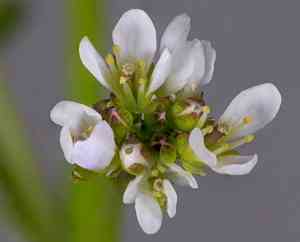
Santa cruz wallflower flourishes when relocated in cooler periods, specifically mid to late fall or early winter, owing to decreased strain. Select a bright, adequately draining spot for peak development. Guarantee steady hydration until the plant is firmly rooted.
What Preparations are Needed Before Transplanting Santa Cruz Wallflower?
What is the Ideal Time for Transplanting Santa Cruz Wallflower?
Moving santa cruz wallflower during mid to late autumn or early winter is optimal because it allows the perennial plant to develop robust roots prior to the active growth period. This timing guarantees vigorous spring growth, enhancing the plant's overall health and flowering potential. Preparing during these cooler months also minimizes transplant shock, promoting better adaptation and vitality.
How Much Space Should You Leave Between Santa Cruz Wallflower Plants?
When relocating santa cruz wallflower, ensure each plant is spaced 12-18 inches (30-45 cm) apart. This provides ample room for development and ensures proper air circulation.
What is the Best Soil Mix for Santa Cruz Wallflower Transplanting?
Prepare a well-draining soil mixture for santa cruz wallflower, with a pH between 6.0 and 7.5. Enrich the soil with a phosphorus-rich base fertilizer to encourage strong root growth.
Where Should You Relocate Your Santa Cruz Wallflower?
Select a sunny spot for transplanting santa cruz wallflower, as it requires full sun to flourish. Aim for a location that receives at least 6 hours of direct sunlight daily.
What Equipments Should You Prepare Before Transplantation Santa Cruz Wallflower?
Gardening Gloves
To safeguard your hands while handling soil and plants.
Shovel or Spade
For excavating around the plant and creating a new planting site.
Trowel
Useful for more precise digging and working in confined areas around the roots.
Watering Can or Hose
To thoroughly hydrate the plant and its new position.
Mulch
To cover the ground around the newly transplanted plant, helping to retain moisture.
Stakes and Twine
To offer support for the plant if necessary, especially in windy locations.
How Do You Remove Santa Cruz Wallflower from the Soil?
How Do You Remove Santa Cruz Wallflower from the Soil?
From Ground: First, water the santa cruz wallflower plant to moisten the soil. Then, dig a wide trench around the plant using a shovel or spade, ensuring the plant's root ball remains intact. Carefully work the spade beneath the root ball to lift the plant from its original spot.From Pot: Water the santa cruz wallflower plant thoroughly before removal. Gently tap the pot to loosen the soil, then invert it while supporting the plant with your hand. Carefully slide the plant out of the pot, ensuring the root ball stays intact.From Seedling Tray: Dampen the soil in the seedling tray. Use a trowel or spoon to gently lift the seedling by its root ball. Be careful not to harm the delicate roots during this process.
Step-by-Step Guide for Transplanting Santa Cruz Wallflower
Prep the Plant
Water the santa cruz wallflower plant thoroughly a day before you plan to move it. This will lessen transplant shock and make the soil around the roots easier to manage.
Dig the New Hole
Excavate a hole in the new location that is approximately twice the width and the same depth as the root ball of the santa cruz wallflower plant. This provides ample space for the roots to spread.
Remove the Plant
Carefully extract the santa cruz wallflower plant from its initial spot following the specific removal method for its current container (ground, pot, or seedling tray).
Check Roots
Inspect the roots of the santa cruz wallflower plant. If they are tightly matted, gently separate them to encourage growth into the new soil.
Plant
Position the santa cruz wallflower plant in the center of the new hole. Backfill the hole with soil, ensuring the plant is at the same soil level as it was in its original location.
Water Thoroughly
After planting, water the santa cruz wallflower plant extensively to help settle the soil and reduce transplant shock.
Mulch
Apply a layer of mulch around the base of the santa cruz wallflower plant to help retain soil moisture and suppress weeds.
Support
If necessary, use stakes and twine to support the santa cruz wallflower plant, especially if it is in a windy area.
How Do You Care For Santa Cruz Wallflower After Transplanting?
Watering
Keep the soil around the santa cruz wallflower consistently moist, but not waterlogged, for the initial few weeks after transplanting to aid in establishing strong roots.
Monitoring
Regularly inspect the santa cruz wallflower plant for any indications of stress, such as wilting or yellowing leaves, and address any issues promptly.
Mulching
Maintain the layer of mulch as it assists in retaining moisture and regulating soil temperature.
Protection
Shield the santa cruz wallflower from harsh weather conditions, such as frost or strong winds, until it is well-established.
Troubleshooting Common Issues with Santa Cruz Wallflower Transplantation.
When is the best time to transplant santa cruz wallflower?
The optimal period for transplanting is mid-fall to early winter, ensuring cooler temperatures.
What is the ideal spacing for santa cruz wallflower plants?
Maintain a spacing of 12-18 inches (30-45 cm) between plants for optimal growth.
How should I prepare the soil before transplanting santa cruz wallflower?
Ensure well-draining soil. You may add compost to improve nutrient content and drainage.
What if santa cruz wallflower shows transplant shock?
Water deeply immediately after transplanting. Protect the plant from direct sun and wind if needed.
How frequently should I water santa cruz wallflower after transplanting?
Water thoroughly after transplanting and keep soil consistently moist for the first few weeks.
How deep should I plant santa cruz wallflower?
Plant santa cruz wallflower at the same depth it was growing in its original location or pot.
How can I protect santa cruz wallflower from frost after transplanting?
Mulch around the base of your plant to retain soil warmth and moisture during colder months.
Can I fertilize santa cruz wallflower immediately after transplanting?
Avoid fertilizing immediately. Wait a few weeks until the plant establishes itself in the new location.
What if the leaves of santa cruz wallflower turn yellow?
Yellow leaves can indicate overwatering or poor drainage. Check soil moisture and adjust watering accordingly.
What should I do if santa cruz wallflower wilts after transplanting?
Ensure regular watering and provide temporary shade. Wilting usually reduces as the plant adjusts.



