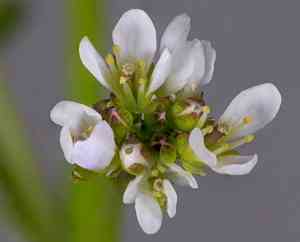
Santa cruz wallflower (Erysimum teretifolium)
Also known as: Santa Cruz wallflower, Ben Lomond wallflower
The Santa Cruz wallflower (Erysimum teretifolium) is a perennial plant characterized by its slender, cylindrical leaves. It typically grows upright, featuring clusters of vibrant yellow flowers atop tall stems. This wallflower is well-suited to sandy, well-drained soils and flourishes in open, sunny areas with minimal plant competition. It is particularly adapted to the coastal sandhills and sandy soils of the Santa Cruz Mountains, thriving in nutrient-poor, well-drained environments that mimic its native habitat.
In This Article
Attributes of Santa cruz wallflower
Lifespan
Perennial
Plant Type
Herb
Plant Height
30-70 cm
Spread
15-30 cm
Leaf Color
Green
Flower Size
1-2 cm
Flower Color
Bright yellow
Images of Santa cruz wallflower


Quickly Identify Santa cruz wallflower
1
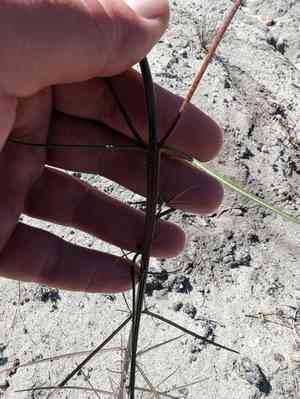
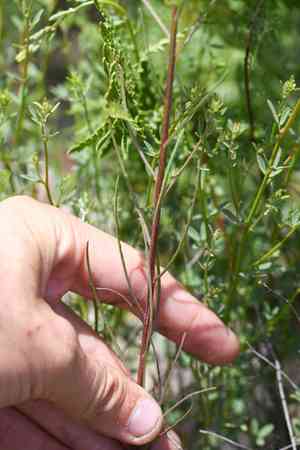
To identify Erysimum teretifolium, look for its bright yellow flowers, which grow in clusters. The plant has narrow, linear leaves with a base that is often covered in glandular hairs. It usually blooms from April to June.
Scientific Classification of Santa cruz wallflower
Phylum
Vascular plants
Class
Dicotyledons
Order
Brassicales
Family
Cruciferae
Genus
Wallflower
Species
Santa cruz wallflower
Planting and Growing of Santa cruz wallflower
Care Difficulty
Moderate
Watering Schedule
Every 2 days
Sunlight Requirements
Full sun
Sunshine Duration
4-8 hours
Ideal Temperature
60-75℉
Soil Type
Potting Mix, Peat Mix
Soil pH
6.5-7.5
Fertilizer Type
Balanced
Pruning Season
Spring, Summer
Pruning Area
Branches, Leaves
Pruning Frequency
2 times a year
Repotting Season
Spring
Pot Type
Ceramic, Plastic
 How to Water Santa cruz wallflower?
Erysimum teretifolium prefers a moderate amount of water. Aim for about 500 ml each time, making sure the water penetrates the soil evenly without leaving it overly saturated. This plant benefits from a good soak that reaches the roots, but ensure the soil can drain well to prevent root rot.
What are the symptoms of an underwatered Santa cruz wallflower?
›
What should I do if my Santa cruz wallflower is not getting enough water?
›
What are the symptoms of an overwatered Santa cruz wallflower?
›
How to save an overwatered Santa cruz wallflower?
›
 What Are the Sunlight Requirements for Santa cruz wallflower?
Erysimum teretifolium thrives best in full sun to partial sun, ideally enjoying 6 to 8 hours of sunlight per day. Adequate sunlight enhances photosynthesis, resulting in strong growth and vibrant blooms.
What is the best lighting for Erysimum teretifolium?
›
How can you ensure ideal lighting conditions?
›
What are the benefits of ideal lighting for this plant?
›
 What Is the Ideal Temperature Range for Santa cruz wallflower?
Erysimum teretifolium thrives best in temperatures ranging from 60°F to 75°F, as this range closely mimics its native habitats. Such a range supports optimal photosynthesis and nutrient uptake, ensuring healthy growth and vibrant blooms.
 What Soil is Best for Santa cruz wallflower?
Erysimum teretifolium thrives in well-drained soil, which prevents waterlogging and ensures proper root aeration. This type of soil reduces the risk of root rot, promoting a healthy and robust plant growth. This plant prefers soil with moderate fertility. Overly rich soil can enhance leafy growth at the expense of flowers, so a balanced nutrient content is crucial for its vibrant blooming. A soil pH between 6.5 and 7.5 is ideal for optimal nutrient absorption, creating the perfect environment for Erysimum teretifolium to thrive without encountering nutrient lockout issues.
 How to Fertilize Santa cruz wallflower?
Erysimum teretifolium, also known as the Santa Cruz wallflower, has specific fertilizer needs. For optimal growth, use a balanced fertilizer such as 10-10-10, applying about 1/4 to 1/2 cup per plant, depending on plant size and nutritional needs. It's crucial to ensure the fertilizer is well-mixed into the surrounding soil and watered in thoroughly to avoid root burn.
 How to Prune Santa cruz wallflower?
Begin by removing any dead, diseased, or damaged stems. This not only improves the overall appearance of the plant but also prevents the spread of disease. Carefully trim back branches to shape the plant, encouraging bushier growth; aim to maintain an open form that allows good air circulation. Make cuts just above a node or bud at a 45-degree angle, sloping away from the bud to promote water runoff and reduce the risk of rot. Once the main pruning is complete, do a general tidy by removing straggly ends and ensuring all cuts are clean and smooth.
More About Pruning Techniques→
 How to Propagate Santa cruz wallflower plant?
1
Start by sowing the seeds onto the surface of moist sterile soil. Lightly cover them with a thin layer of soil, as they require light for germination. Maintain soil moisture but avoid waterlogging.
2
Once seedlings develop two to three true leaves, it's time to transplant them into individual pots. Ensure they have enough space to grow and water them gently to help establish roots.
3
For cutting propagation, take semi-hardwood cuttings about 10cm in length. Remove the lower leaves and dip the end in rooting hormone to encourage root formation.
 How to Repot Santa cruz wallflower plant?
1
Erysimum teretifolium should be repotted when you notice its roots are growing out of the drainage holes or the soil is depleted of nutrients. Another indicator is if water takes much longer to drain than usual, suggesting compacted soil. Aim for early spring or autumn to give the plant ample time to establish itself in its new environment.
2
Select a pot that is one size larger than the current container and has excellent drainage holes. The material can be clay or plastic, but ensure it supports breathability and moisture control. This helps prevent root rot and allows room for healthy growth, increasing airflow and root stabilization.
3
Opt for a soil mix composed of gritty materials that mimic its natural environment, such as sand and perlite, with a portion of organic matter. This combination ensures excellent drainage while providing enough nutrients and support for the roots, enhancing plant vitality.
Toxicity
Ingestion
WARNING
The judgment on toxicity and danger is for reference only. We DO NOT GUARANTEE any accuracy of such judgment. Therefore, you SHALL NOT rely on such judgment. It is IMPORTANT TO SEEK PROFESSIONAL ADVICE in advance when necessary.



