How to Transplant Diffuse wallflower?
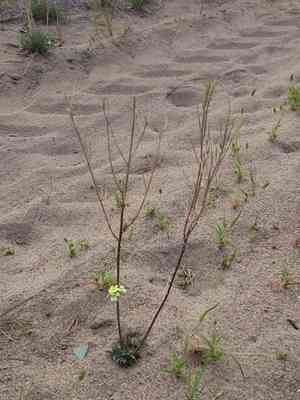
Diffuse wallflower flourishes when relocated from early spring to late summer, due to optimal growing circumstances. Select a bright, adequately drained spot. Advice: guarantee the substrate remains uniformly damp, yet not saturated, following transplantation.
Necessary Preparations Before Moving Diffuse Wallflower
Optimal Timing for Relocating Diffuse Wallflower?
The best time to move diffuse wallflower is from early to late spring or from mid to late summer. These periods offer moderate temperatures and soil conditions conducive to strong root development. Transplanting during these windows ensures adequate moisture and favorable growth, minimizing shock and promoting vigorous growth for its biennial or perennial life cycle.
Required Spacing Between Diffuse Wallflower Plants?
When relocating diffuse wallflower, ensure a separation of 12-18 inches (30-45 cm) between each plant. This provides ample room for development and promotes good air circulation, which helps prevent disease.
Best Soil Blend for Diffuse Wallflower Relocation?
For diffuse wallflower, create well-draining soil by combining garden soil with compost. A balanced foundational fertilizer, such as a 10-10-10 (N-P-K) mixture, will supply essential nutrients for healthy growth. Aim for a soil pH between 6.0 and 7.5.
Where to Replant Your Diffuse Wallflower?
Select a sunny location for replanting diffuse wallflower. This plant thrives best in full sunlight, requiring at least 6 hours of direct sun daily. Avoid shaded areas as they may impede its growth.
Equipment Needed Before Transplanting Diffuse Wallflower
Gardening Gloves
To safeguard your hands while handling soil and the plant.
Hand Trowel
Useful for excavating small holes and lifting plants from containers or trays.
Shovel or Spade
Essential for digging a perimeter trench around plants situated in the ground.
Watering Can or Hose
For hydrating the plant prior to and following its relocation.
Pruning Shears
To trim any damaged or dead roots or foliage.
Measuring Tape or Ruler
To ensure correct spacing in the new spot.
Wheelbarrow or Bucket
To move the plant if necessary.
How to Extract Diffuse Wallflower from its Current Location?
How to Extract Diffuse Wallflower from its Current Location?
From Ground: First, moisten the diffuse wallflower plant to dampen the soil. Then, excavate a wide trench around the plant using a shovel or spade, ensuring the plant's root ball remains intact. Carefully work the spade beneath the root ball to lift the plant from its original spot.From Pot: Thoroughly water the diffuse wallflower plant. Gently tilt the pot sideways and carefully slide the plant out, supporting the root ball with your hand to keep it whole.From Seedling Tray: Water the diffuse wallflower plant before removal. Use a hand trowel or spoon to gently loosen the soil surrounding the seedling. Carefully lift the seedling from the tray, ensuring the root ball and surrounding soil remain intact.
Step-by-Step Guide for Relocating Diffuse Wallflower
Site Preparation
Ensure the soil at the new location is properly prepared by removing weeds and loosening the earth.
Digging Hole
Excavate a hole in the new spot that is twice the width and depth of the diffuse wallflower's root ball.
Plant Placement
Gently position the diffuse wallflower into the hole, making sure the top of the root ball is level with or slightly above the surrounding soil.
Backfilling and Firming
Refill the hole with soil, gently firming it around the plant to eliminate air pockets. Ensure the plant stands upright.
Watering In
Thoroughly water the newly relocated diffuse wallflower to help settle the soil around the roots and minimize transplant shock.
Post-Transplant Care for Diffuse Wallflower
Watering
Keep the soil around the diffuse wallflower consistently moist, but not waterlogged, for the initial weeks after transplanting to aid in strong root establishment.
Mulching
Apply a layer of mulch around the plant's base to retain moisture, regulate soil temperature, and suppress weeds.
Pruning
Remove any damaged or dead leaves to encourage new growth and reduce stress on the plant.
Monitoring
Regularly inspect the diffuse wallflower for signs of stress or pest issues. Address problems promptly to ensure healthy development.
Resolving Common Issues with Diffuse Wallflower Relocation.
When is the best time to move diffuse wallflower?
The ideal period to relocate diffuse wallflower is from early to late spring or mid to late summer.
How much space should I allow between diffuse wallflower plants?
Ensure a 12-18 inch (30-45 cm) gap between each diffuse wallflower plant for healthy development.
How should I prepare the soil for diffuse wallflower?
Prepare well-drained soil with compost; aim for slightly alkaline to neutral pH levels.
How can I prevent transplant shock in diffuse wallflower?
Water the plants thoroughly before and after relocation to minimize transplant shock.
What if diffuse wallflower wilts after being moved?
Provide consistent watering and shade if necessary. Ensure roots are not disturbed again.
Should I fertilize diffuse wallflower after transplanting?
Yes, apply a balanced, slow-release fertilizer to promote proper establishment and growth.
When can I expect diffuse wallflower to flower after transplanting?
Flowering can typically be anticipated by the next growing season following successful relocation.
What type of mulch should I use around diffuse wallflower?
Utilize organic mulch, such as bark or straw, to conserve moisture and regulate soil temperature.
How deep should I plant diffuse wallflower during transplanting?
Plant diffuse wallflower at the same depth it was growing in its original container to avoid stress.
Is any special care needed for diffuse wallflower roots during transplanting?
Gently loosen any circling roots and avoid damaging them while relocating diffuse wallflower.



