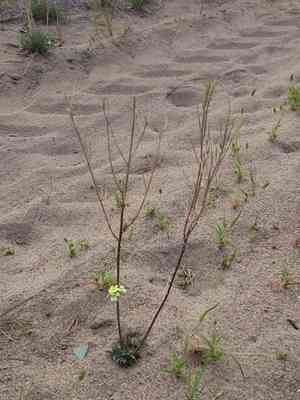
Diffuse wallflower (Erysimum diffusum)
Also known as: Spreading wallflower
The desert marigold (Baileya multiradiata) is a perennial wildflower recognized for its sprawling growth and bright yellow flower clusters. Its foliage is made up of slender, silvery-green leaves that enhance the beauty of its vibrant blooms. This hardy plant is well-suited to arid and rocky terrains, where it thrives despite harsh conditions. Often found covering slopes or adding a touch of color to rock gardens, the desert marigold is a resilient and eye-catching addition to its native landscape.
In This Article
Attributes of Diffuse wallflower
Lifespan
Biennial, Perennial
Plant Type
Herb
Plant Height
30-70 cm
Spread
20-50 cm
Leaf Color
Green
Flower Size
1-2 cm
Flower Color
Yellow
Images of Diffuse wallflower
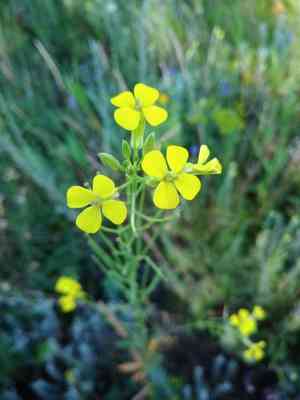
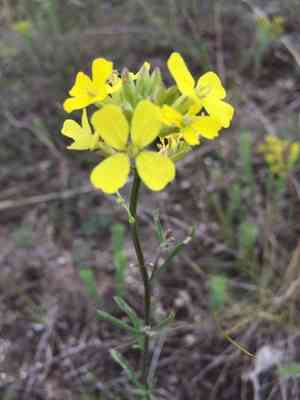
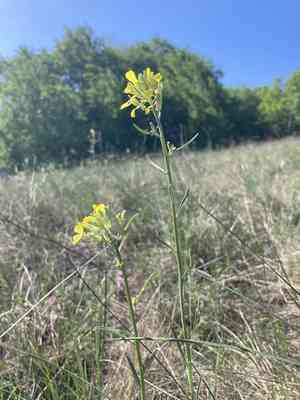
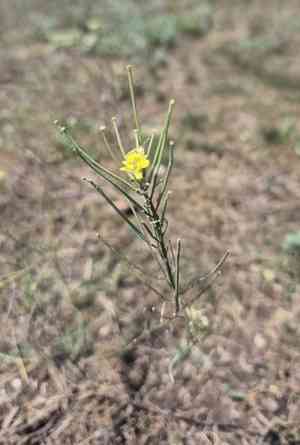
Quickly Identify Diffuse wallflower
1
Erysimum diffusum can be identified by its lanceolate leaves, which are green and slightly hairy. The plant produces bright yellow, four-petaled flowers arranged in a raceme. Its stems are usually erect and branched.
Scientific Classification of Diffuse wallflower
Phylum
Vascular plants
Class
Dicotyledons
Order
Brassicales
Family
Cruciferae
Genus
Wallflower
Species
Diffuse wallflower
Planting and Growing of Diffuse wallflower
Care Difficulty
Easy
Watering Schedule
Every 2 days
Sunlight Requirements
Full sun
Sunshine Duration
4-8 hours
Ideal Temperature
60-75℉
Soil Type
Potting Mix, Peat Mix
Soil pH
6.5-7.5
Fertilizer Type
Balanced
Pruning Season
Spring, Summer
Pruning Area
Branches, Leaves
Pruning Frequency
2 times a year
Repotting Season
Spring
Pot Type
Terracotta, Plastic
 How to Water Diffuse wallflower?
Erysimum diffusum requires careful watering—aim to provide about 200 ml water per session. It's best to ensure the soil is evenly moist without becoming waterlogged, adhering to a principle of maintaining light moisture throughout its root zone rather than allowing it to dry out or become too soggy.
What are the symptoms of an underwatered Diffuse wallflower?
›
What should I do if my Diffuse wallflower is not getting enough water?
›
What are the symptoms of an overwatered Diffuse wallflower?
›
How to save an overwatered Diffuse wallflower?
›
 What Are the Sunlight Requirements for Diffuse wallflower?
Erysimum diffusum benefits from full sun to partial sun conditions. Proper light promotes vibrant flowering and robust foliage. The ideal range ensures optimal photosynthesis, contributing to healthy growth and continuous blooming.
What is the optimal light level?
›
How can you ensure ideal lighting indoors?
›
What benefits arise from ideal lighting?
›
 What Is the Ideal Temperature Range for Diffuse wallflower?
Erysimum diffusum thrives in temperate climates where the temperature consistently stays between 60°F and 75°F. This range ensures optimal growth and blooming conditions, providing the plant with the necessary environmental stability it needs to flourish.
 What Soil is Best for Diffuse wallflower?
Erysimum diffusum thrives best in well-drained soil, which prevents waterlogging and root rot. This type of soil allows excess water to flow away promptly, providing an environment conducive to healthy root development and plant vigor. Moderate soil fertility is ideal for Erysimum diffusum, ensuring balanced nutrient availability. Soils with medium organic matter support steady growth without the risk of excessive foliage at the expense of blooms. Properly aerated soil is crucial for Erysimum diffusum as it ensures sufficient oxygen reaches the roots. This helps in maintaining active root function and nutrient uptake, promoting robust plant health.
 How to Fertilize Diffuse wallflower?
For Erysimum diffusum, a small and controlled amount of fertilizer is crucial. Use half the recommended dose of any all-purpose plant food to prevent nutrient overload and ensure a balanced growth.
 How to Prune Diffuse wallflower?
After the flowering season, usually in late Spring, trim Erysimum diffusum back by cutting stems down by a third. This keeps the plant in shape and invigorates it for the next flowering season, ensuring more robust blooms. Throughout the growing season, inspect the plant weekly for dead or excessive stems, and remove them with sharp scissors. This prevents diseases from spreading and keeps the plant looking neat and vibrant.
 How to Propagate Diffuse wallflower plant?
1
Collect seeds from mature Erysimum diffusum plants in late summer or early autumn. Dry them sufficiently to prevent mold growth during storage.
2
Select healthy, non-flowering stems for cuttings. Cut just below a node to ensure the cutting can develop roots effectively.
3
In early spring, sow seeds in seed trays filled with seed-starting mix. Cover lightly with soil and mist with water to maintain moisture.
 How to Repot Diffuse wallflower plant?
1
Repotting is necessary when the plant shows signs of being root-bound, such as roots emerging from drainage holes or the plant ceasing to thrive. The best time is during its growing seasons, especially spring and early summer, to allow it ample time to adapt and flourish.
2
Pick a pot that is slightly larger than the current one but ensures good drainage with at least one hole at the bottom. Using a pot of adequate size prevents waterlogging and facilitates root development, providing the plant with enough space to grow healthily.
3
Opt for a well-draining soil mix; it might contain components like perlite or coarse sand to improve aeration and prevent root rot. Such soil types mimic the plant's natural habitat, thus promoting healthy growth and robust blooms.
Toxicity
Ingestion
WARNING
The judgment on toxicity and danger is for reference only. We DO NOT GUARANTEE any accuracy of such judgment. Therefore, you SHALL NOT rely on such judgment. It is IMPORTANT TO SEEK PROFESSIONAL ADVICE in advance when necessary.
Learn More About Diffuse wallflower Diseases
Anthracnose
Bacterial Leaf Spot
Bacterial Soft Rot
Clubroot
Crown Gall
Cyst Nematode
Damping-off
Downy Mildew
Fusarium Wilt
Gray Mold
Leaf Spot
Mosaic
Powdery Mildew
Root Rot
Root-knot Nematode
Rusts
Sooty Mold
White Mold
Chemical Injury
Drought Stress
Nutrient Deficiency
Nutrient Toxicity
Spider Mites
Temperature Stress
Thrips Damage



