How to Transplant Cutleaf stork's bill?
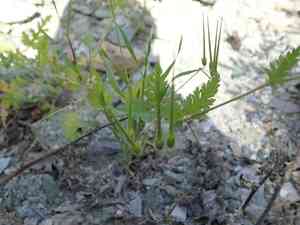
Relocate cutleaf stork's bill during the invigorating period of early to late spring, as moderate temperatures facilitate root development. Select a bright location featuring soil that drains effectively. A delicate approach is crucialâcutleaf stork's bill flourishes when handled with precision during its transfer.
What Preparations are Needed Before Transplanting Cutleaf Stork's Bill?
What is the Ideal Time for Transplanting Cutleaf Stork's Bill?
The optimal period for relocating cutleaf stork's bill spans from early spring's onset to late spring's peak. This timeframe leverages mild weather, ensuring cutleaf stork's bill establishes itself comfortably in its new spot, with sufficient time to develop strong roots prior to summer's heat. Moving cutleaf stork's bill during this season takes advantage of revitalized soil and extended daylight, crucial for root growth and overall plant vitality. Your cutleaf stork's bill will flourish with the moderate temperatures and consistent moisture of springtime, setting the stage for a successful growing season.
How Much Space Should You Leave Between Cutleaf Stork's Bill Plants?
When moving your cutleaf stork's bill, aim for a separation of roughly 6-8 inches (15-20 cm). This provides each plant ample room to grow without competing for nutrients or light.
What is the Best Soil Mix for Cutleaf Stork's Bill Transplanting?
For cutleaf stork's bill, prepare soil that drains well and is enriched with compost or a balanced, slow-release fertilizer. Target a sandy loam or loamy soil, which will retain moisture without becoming waterlogged.
Where Should You Relocate Your Cutleaf Stork's Bill?
Choose a location for your cutleaf stork's bill that receives abundant sunlight. Full sun, meaning at least 6 hours of direct sunlight daily, will help your plants thrive. Avoid overly shaded areas to ensure vigorous growth.
What Equipments Should You Prepare Before Transplantation Cutleaf Stork's Bill?
Gardening Gloves
To safeguard your hands while handling soil and plants.
Trowel
For digging and moving cutleaf stork's bill during the transplant process.
Watering Can or Hose
To hydrate cutleaf stork's bill before and after relocation.
Spade or Shovel
To excavate cutleaf stork's bill from its original spot if in the ground and to prepare the new planting hole.
Pruners or Scissors
To trim any dead or excess parts of cutleaf stork's bill before transplanting.
Wheelbarrow or Bucket
To transport cutleaf stork's bill and soil without excessively disturbing the root ball.
How Do You Remove Cutleaf Stork's Bill from the Soil?
How Do You Remove Cutleaf Stork's Bill from the Soil?
From Ground: First, moisten the soil around cutleaf stork's bill. Then, dig a wide circle around the plant with a shovel or spade, going deep enough to encompass the entire root ball. Carefully work the tool beneath the root ball and lift cutleaf stork's bill out, taking care not to dislodge too much soil.From Pot: Begin by watering cutleaf stork's bill to make the soil more pliable. Tilt the pot sideways and gently tap its base and sides to loosen the plant. Support cutleaf stork's bill by holding the stem's base, then carefully extract the plant from the pot.From Seedling Tray: Water the seedlings to ensure the soil is damp. Use a trowel to scoop out each cutleaf stork's bill seedling, being careful to include the roots and surrounding soil to keep the root ball intact.
Step-by-Step Guide for Transplanting Cutleaf Stork's Bill
Preparation
Water cutleaf stork's bill thoroughly before beginning the transplant to minimize shock.
Removal
Follow the removal procedure from its initial location, whether from the ground, a pot, or a seedling tray, ensuring minimal root disturbance.
New Hole
Dig a hole in the new site that is twice the width of cutleaf stork's bill's root ball, but no deeper, so the plant sits at its previous growing level.
Placement
Position cutleaf stork's bill in the center of the new hole, gently spreading out roots if they are matted or circling.
Backfill
Refill the hole with the excavated soil, working it around cutleaf stork's bill's roots to eliminate air pockets. Gently firm the soil but avoid heavy compaction.
Watering
Water cutleaf stork's bill generously to settle the soil around the root ball and help remove air pockets.
Support
If cutleaf stork's bill is tall or top-heavy, stake the plant to provide stability until it develops strong roots. Use soft ties to prevent stem damage.
How Do You Care For Cutleaf Stork's Bill After Transplanting?
Monitoring
Inspect cutleaf stork's bill daily for wilting leaves, a sign of stress. Provide shade if the plant appears stressed from direct sun.
Watering
Ensure cutleaf stork's bill receives ample water, especially during the initial weeks, to encourage root development. The soil should remain consistently moist.
Protection
Apply mulch around cutleaf stork's bill's base to help retain moisture, regulate soil temperature, and deter weeds.
Staking
Maintain any supports or stakes until cutleaf stork's bill is well-rooted and stable.
Pruning
Remove any dead or damaged foliage to redirect cutleaf stork's bill's energy towards developing strong roots and new growth.
Troubleshooting Common Issues with Cutleaf Stork's Bill Transplantation.
Why is my cutleaf stork's bill wilting after transplanting?
Wilting can be due to transplant shock. Ensure roots were undamaged, the plant is adequately watered but not waterlogged, and initially protected from strong sun.
When is the best time to transplant cutleaf stork's bill?
Move cutleaf stork's bill during the favorable period of early to late spring, after frost danger has passed but before intense summer heat.
How much space does cutleaf stork's bill need when transplanting?
Space cutleaf stork's bill approximately 6-8 inches (15-20 cm) apart to allow for sufficient growth and air circulation.
What soil conditions favor cutleaf stork's bill after transplanting?
Aim for well-draining soil with a good amount of organic matter to give cutleaf stork's bill a strong start post-transplant.
Is it possible to overwater cutleaf stork's bill after transplanting?
Yes, excessive watering can lead to root rot. Water thoroughly but allow the soil to dry slightly between waterings.
Can cutleaf stork's bill be transplanted in full sun?
After transplanting, cutleaf stork's bill can thrive in full sun but might need some shade during the hottest part of the day initially.
What should I do if cutleaf stork's bill's leaves turn yellow?
Yellow leaves could indicate overwatering, under-watering, or nutrient deficiency. Adjust your watering schedule and consider a balanced fertilizer.
How deep should I plant cutleaf stork's bill's roots?
Plant cutleaf stork's bill's roots at the same depth they were in their previous container to avoid burying the stem.
Can cutleaf stork's bill be transplanted in cooler weather?
It's best to wait until the risk of frost has passed, ensuring a gentle transition during cutleaf stork's bill's early growth stages.
Should I fertilize cutleaf stork's bill right after transplanting?
Wait a few weeks before fertilizing to allow cutleaf stork's bill to adapt to its new location and begin utilizing existing soil nutrients effectively.



