How to Prune Cutleaf stork's bill?
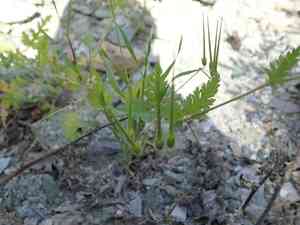
Featuring deeply divided foliage and modest blossoms, cutleaf stork's bill thrives with consistent trimming to foster a more compact form. Effective pruning entails snipping off faded flowers and shortening elongated stalks, ideally performed in late spring and throughout summer. Autumnal pruning readies cutleaf stork's bill for the colder months, concentrating on eliminating lifeless or ailing leaves. Strategic pruning not only preserves cutleaf stork's bill's structure but also stimulates abundant blooming and curbs prolific self-propagation.
What Are the Benefits of Pruning Cutleaf Stork's Bill?
What Are the Benefits of Pruning Cutleaf Stork's Bill?
Trimming cutleaf stork's bill stimulates robust development and helps maintain its desired form. Strategic cuts can revitalize the plant, foster a more compact structure, and boost its decorative appeal, ensuring cutleaf stork's bill flourishes and integrates well into garden aesthetics.
What Is the Best Time for Pruning Cutleaf Stork's Bill?
What Is the Best Time for Pruning Cutleaf Stork's Bill?
Spring trimming for cutleaf stork's bill promotes healthy growth and vitality as the plant emerges from dormancy, leading to a strong growing season. This timing allows gardeners to shape the plant and remove any dead or damaged growth resulting from winter weather. Early Summer pruning is ideal to thin out dense foliage and improve air circulation, which helps prevent disease and allows sunlight to reach the plant's interior. Additionally, this period is suitable for deadheading, or removing faded flowers, to encourage further blooming and prevent unwanted self-seeding. Fall pruning should be light to prepare cutleaf stork's bill for winter by removing any diseased or damaged parts, but heavy pruning should be avoided to prevent stimulating new growth that may be harmed by cold weather.
What Tools Do I Need to Prune Cutleaf Stork's Bill?
Hand Pruners
Perfect for making precise cuts on cutleaf stork's bill as they offer control to trim stems and remove dead foliage without harming the surrounding plant.
Gloves
Crucial for protecting hands from thorns and sharp edges while trimming cutleaf stork's bill.
Garden Shears
Suitable for shaping and trimming cutleaf stork's bill if it's necessary to manage its spread or give a specific form.
Pruning Saw
Useful for cutleaf stork's bill with older, woodier stems that have grown thick and require a saw for removal.
How to Prune Cutleaf Stork's Bill
Disinfect tools
Before beginning the trimming process for cutleaf stork's bill, clean and sanitize pruning tools to prevent disease transmission. Use a solution of 1 part bleach to 9 parts water or rubbing alcohol to sterilize the blades.
Identify
Examine cutleaf stork's bill carefully to identify withered leaves that require pruning. These are typically brown, dry, or showing signs of decay and can be found throughout the plant.
Cut
Using your sterilized tools, carefully cut the withered leaves at the base where they meet the stem. Avoid tearing or damaging the healthy parts of cutleaf stork's bill. Make clean and precise cuts.
Disposal
Collect the removed withered leaves from cutleaf stork's bill and dispose of them away from the garden to prevent possible spread of disease or pests that might be present on the decaying plant material.
Monitor
After pruning, observe cutleaf stork's bill for signs of new growth or any indications of poor health. Regular observation will help catch any new issues early and inform future pruning needs.
Common Pruning Mistakes with Cutleaf Stork's Bill
Overpruning
Many gardeners might snip away too much of cutleaf stork's bill, which can stress the plant and lead to reduced vigor. It's crucial to remove only what's necessary, like dead or damaged growth, without cutting into the healthy tissue more than needed.
Wrong technique
Utilizing improper tools or techniques can lead to jagged cuts that may invite disease. Clean, sharp pruning tools are essential for making clean cuts that cutleaf stork's bill can heal from quickly.
Not sanitizing tools
Failing to sanitize pruning tools before and after use can spread disease between plants. Each cut can act as a vector for infection if it is made with contaminated equipment.
Ignoring plant shape
Not considering the natural growth pattern of cutleaf stork's bill can result in an unbalanced or unnatural shape. Pruning should enhance the plant's form, not detract from it.
Neglecting deadheading
Forgetting to deadhead, or remove spent flowers, can limit cutleaf stork's bill's blooming potential, as it may prevent the plant from directing its energy towards new growth and flower production.
Common Pruning Tips for Cutleaf Stork's Bill
Identify growth
Understanding the growth habit of cutleaf stork's bill is crucial. Focus on thinning out crowded areas to improve air circulation and light penetration, which can help prevent disease and encourage more blooms.
Consistent maintenance
Regularly inspect and remove dead or dying foliage to maintain the health and aesthetics of cutleaf stork's bill. This simple step can greatly improve the overall well-being of the plant.
Cut angle
When cutting branches or stems, make angled cuts just above a leaf node or bud. This technique encourages water runoff and new growth for cutleaf stork's bill.
Gradual pruning
It's better to prune conservatively and assess cutleaf stork's bill's response rather than overdo it. You can always trim more if needed, but you can't put back what's been removed.
Deadheading
Regularly deadhead spent flowers on cutleaf stork's bill to promote continuous blooming throughout the growing season. This encourages the plant to produce new flowers instead of setting seed.



