How to Transplant Common stork's-bill?
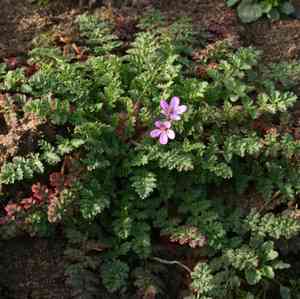
For common stork's-bill, the ideal period for relocation is during the peak of spring's warmth. Select a bright, adequately drained spot for its new home. Should the earth be infertile, enhance it with organic matter for a thriving beginningâno specific transplanting advice is necessary unless unusual soil circumstances arise.
Essential Preparations Before Relocating Common Stork's-bill
Optimal Timing for Common Stork's-bill Relocation?
Choose mid-spring, as the warmer weather and gentle rainfall promote strong root development for common stork's-bill. Moving common stork's-bill at this time ensures a vigorous growing season ahead.
Recommended Spacing Between Common Stork's-bill Plants?
Relocating common stork's-bill requires adequate room for growth. Aim for a separation of approximately 1-1.5 feet (30-45 cm) between each plant. This provides ample space for each to thrive without impeding its neighbors.
Ideal Soil Blend for Common Stork's-bill Relocation?
Prior to moving common stork's-bill, confirm the soil is well-draining and moderately fertile. Enhance the soil beforehand with an organic-based fertilizer to boost nutrient content. This will create an optimal environment for common stork's-bill to flourish.
Preferred Location for Your Common Stork's-bill?
Select a site for common stork's-bill that receives full sun or partial shade. Position it where it gets at least 6-8 hours of direct sunlight daily, as this is vital for common stork's-bill's growth and development.
Tools Required for Common Stork's-bill Transplantation
Trowel
Useful for excavating small holes, suitable for young common stork's-bill plants.
Garden Fork
This implement is excellent for loosening the soil around the plant both before and after its removal.
Gardening Gloves
To safeguard your hands while handling soil and plants.
Pruning Shears
For trimming any stubborn or damaged roots.
Watering Can
To hydrate the plant before and after the relocation process.
Compost
For enriching the hole with nutrients prior to planting.
Marker and Labels
To record the date and specifics of the transplanted common stork's-bill.
How to Extract Common Stork's-bill from its Current Location?
How to Extract Common Stork's-bill from its Current Location?
From the Ground: Begin by watering the common stork's-bill plant to moisten the soil. Use a garden fork to carefully loosen the soil surrounding the plant, taking care not to harm the root ball. Gently lift the plant from the ground, keeping as much of the root ball intact as possible.From a Pot: Start by dampening the soil. Invert the pot and gently tap it to release the common stork's-bill plant along with its root ball. If the plant is stuck, run a knife or thin trowel around the inner edge of the pot to free it.From a Seedling Tray: Ensure the common stork's-bill seedlings are well-hydrated before beginning. Carefully slide a knife or small spatula under each individual cell to lift out the seedlings, minimizing root disturbance.
Detailed Procedure for Transplanting Common Stork's-bill
Preparation
Prepare the new site for your common stork's-bill. Dig a hole twice the width of the root ball, and equally deep, using your trowel. Add a small amount of compost to the hole for extra nourishment.
Transplanting
Position the common stork's-bill plant into the hole, ensuring it sits at the same depth as it was in its original spot. Gently backfill the hole with soil, lightly firming it around the plant's base.
Watering
Once the plant is secure, water it thoroughly using a watering can. The soil should be completely moistened, but not waterlogged.
Labeling
Using your marker and labels, note down the transplanting date and any other pertinent details about your common stork's-bill.
Post-Transplant Care for Common Stork's-bill
Watering
Maintain a consistent watering schedule for the initial few weeks. Ensure the soil remains moist but avoid saturation.
Feeding
Continue to add compost to the soil every few weeks to supply essential nutrients for the common stork's-bill plant.
Observing
Monitor the common stork's-bill for any indications of stress such as wilting, discoloration, or stunted growth. If such signs appear, you may need to adjust your care routine.
Pruning
Should you notice any dead or dying leaves after the transplant, remove them with your pruning shears to encourage new growth. This will help your common stork's-bill plant direct its energy towards healthy new development.
Addressing Common Issues During Common Stork's-bill Transplantation.
When is the optimal time to relocate common stork's-bill?
The ideal period to transplant common stork's-bill is during its S2-S3 growth phases, typically in late spring and early summer.
What is the correct spacing for common stork's-bill when transplanting?
Common stork's-bill requires space to flourish. Maintain a distance of approximately 1-1.5 feet (30-45 cm) between each plant during relocation.
Why is my transplanted common stork's-bill wilting?
Wilting in common stork's-bill after transplanting can be due to shock. To minimize this, transplant during cooler parts of the day and ensure consistent watering until established.
How deep should I plant common stork's-bill during transplantation?
When relocating common stork's-bill, the top of the root ball should be level with the soil surface. Avoid burying the stem or leaves.
Can I transplant common stork's-bill into a shaded area?
Common stork's-bill thrives in full sun to partial shade. Excessive shade can result in poor growth and flowering, so choose a well-lit spot if possible.
How do I prepare the soil before relocating common stork's-bill?
Before transplanting common stork's-bill, prepare the soil by removing all weeds and incorporating organic matter like compost or manure. This will enhance soil fertility and drainage.
Why are the leaves of my common stork's-bill turning yellow after transplanting?
Yellowing leaves could indicate overwatering or a nutrient deficiency. Ensure proper soil drainage and consider a balanced fertilizer to address potential deficiencies.
How much should I water common stork's-bill after transplanting?
Initially, common stork's-bill needs frequent watering until established. Afterward, aim for deep but less frequent watering to promote strong root growth, avoiding waterlogged conditions.
Can I use a container to transplant common stork's-bill?
Yes, common stork's-bill can be transplanted into a pot or container. However, ensure it has good drainage, as common stork's-bill does not tolerate standing water.
How soon can I expect common stork's-bill to flower after transplanting?
After relocating common stork's-bill, it may take a few weeks to several months before it flowers, depending on the plant's age and the season.



