How to Transplant Shortleaf woollygrass?
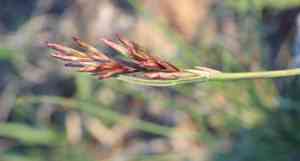
Shortleaf woollygrass flourishes when relocated in the peak growing period of late spring to early summer, facilitating robust root development. Provide a bright, adequately drained spot to mimic its natural environment. Enjoy your transplanting!
Necessary Preparations Before Moving Shortleaf Woollygrass?
Optimal Period for Relocating Shortleaf Woollygrass?
The best seasons for relocating shortleaf woollygrass are late spring through early summer. This timing capitalizes on warmer temperatures and promotes vigorous root development. Moving plants during these periods encourages rapid establishment, aids in water uptake, and minimizes transplant shock, leading to a strong and flourishing plant.
Required Spacing Between Shortleaf Woollygrass Plants?
When relocating shortleaf woollygrass, aim for a spacing of 18-24 inches (45-60 cm) between plants. This provides ample room for growth and expansion without competition for nutrients and sunlight.
Ideal Soil Mixture for Shortleaf Woollygrass Relocation?
For shortleaf woollygrass, select soil that drains effectively. You can improve the soil by incorporating organic compost or a balanced base fertilizer, which supplies vital nutrients for healthy development.
Preferred Location for Your Shortleaf Woollygrass?
Choose a sunny spot for shortleaf woollygrass. This plant thrives in full sunlight, so ensure the chosen site receives at least 6 hours of direct sun daily.
Equipment Needed Before Relocating Shortleaf Woollygrass?
Gardening Gloves
To safeguard your hands while handling soil and the plant.
Shovel or Spade
For excavating the plant from its original spot and digging the new hole.
Pruning Shears
To trim any damaged roots or foliage.
Garden Trowel
Useful for gently lifting small plants and easing them from containers.
Bucket or Wheelbarrow
To move the plant to its new position.
Watering Can or Hose
To hydrate the plant before and after relocation.
Mulch
To help maintain soil moisture after relocation.
How to Extract Shortleaf Woollygrass from the Ground?
How to Extract Shortleaf Woollygrass from the Ground?
From Ground: First, water the shortleaf woollygrass plant to moisten the soil. Then, dig a wide trench around the plant using a shovel or spade, ensuring the plant's root ball remains intact. Carefully work the spade beneath the root ball to lift the shortleaf woollygrass from its initial location.From Pot: Begin by thoroughly watering the shortleaf woollygrass plant. Gently tilt the pot sideways and carefully ease the plant out. You can lightly squeeze the pot's sides if it's made of flexible plastic. Support the plant's base and root ball as you remove it.From Seedling Tray: Water the shortleaf woollygrass seedlings to make the soil easier to manage. Use a garden trowel or a spoon to lift the seedling from the tray, making sure to keep as much soil around the roots as possible.
Detailed Steps for Relocating Shortleaf Woollygrass
Site Preparation
Select a spot with adequate sunlight and room for your shortleaf woollygrass to reach its mature size. Clear the area of weeds and debris.
Digging the Hole
Excavate a hole that is twice as wide and roughly the same depth as the shortleaf woollygrass's root ball. This allows roots to spread easily in their new environment.
Preparing the Plant
Inspect the root ball for any damaged or overly long roots. Use pruning shears to gently trim these. This promotes healthy growth post-relocation.
Relocating
Position the shortleaf woollygrass in the center of the hole. Ensure the top of the root ball is level with the ground surface. Backfill the hole with soil, pressing down gently to eliminate air pockets.
Watering
Thoroughly water the shortleaf woollygrass immediately after relocation to help settle the soil around the roots. Ensure the soil is uniformly moist.
Applying Mulch
Spread a layer of mulch around the base of the shortleaf woollygrass. This aids in moisture retention and inhibits weed growth.
Post-Relocation Care for Shortleaf Woollygrass?
Watering
Keep the soil around the shortleaf woollygrass consistently moist, but not waterlogged, for the initial few weeks after relocation to aid in strong root establishment.
Monitoring
Regularly check the shortleaf woollygrass for any indications of transplant shock or stress, such as wilting or yellowing leaves. Adjust the watering schedule if necessary.
Mulching
Reapply mulch as needed to maintain consistent soil moisture and reduce competition from weeds.
Pruning
If you observe any damaged or dead leaves, gently prune them away to allow the shortleaf woollygrass to direct energy towards healthy growth.
Addressing Common Issues with Shortleaf Woollygrass Relocation.
When is the best time to move shortleaf woollygrass?
Shortleaf woollygrass should ideally be moved during late spring to early summer for optimal success.
How much space should I allow between each shortleaf woollygrass plant?
Space each shortleaf woollygrass plant 18-24 inches (45-60 cm) apart to ensure proper growth.
What soil conditions are most suitable for relocating shortleaf woollygrass?
Shortleaf woollygrass thrives in well-draining soil with a sandy or loamy texture.
How can I prepare the soil for moving shortleaf woollygrass?
Loosen the soil to a depth of 10 inches (25 cm) and incorporate organic compost.
What if shortleaf woollygrass appears wilted after relocation?
Ensure it's adequately watered without being waterlogged, and move to partial shade if needed.
How deep should I plant the roots of shortleaf woollygrass?
Plant the roots of shortleaf woollygrass at the same depth they were previously growing.
How often should I water shortleaf woollygrass after relocation?
Water shortleaf woollygrass regularly until established, typically once or twice weekly, depending on weather.
How can I shield newly relocated shortleaf woollygrass from strong winds?
Utilize windbreaks or temporary barriers to protect shortleaf woollygrass from strong winds during establishment.
Can I fertilize shortleaf woollygrass immediately after relocation?
Avoid fertilizing directly after relocation; wait a few weeks to allow shortleaf woollygrass to settle first.
What should I do if shortleaf woollygrass shows signs of relocation shock?
Ensure proper watering, avoid direct sun initially, and consider using a root stimulator.



