How to Propagate Shortleaf woollygrass?
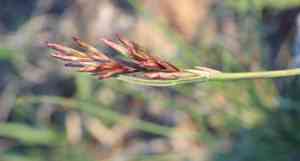
Shortleaf woollygrass is a robust perennial grass indigenous to dry environments. It flourishes in porous soils and favors ample sunlight. Reproduction is effectively accomplished by separating its clusters. Verify that each separated portion possesses adequate roots and position them at an identical depth to the original plant. Irrigate sparingly for establishment, preventing excessive moisture. This technique encourages robust development for effective cultivation.
When Is the Best Time to Propagate Shortleaf Woollygrass?
Propagation Type
Division
Propagation Season
Spring,Autumn
What Tools Are Used in Shortleaf Woollygrass Propagation?
Spade
A spade is crucial for separating shortleaf woollygrass. It helps dig around the plant clump to lift it from the soil without harming the roots. Its sharp edge is useful for cleanly cutting through the root mass, separating sections for replanting.
Hand Trowel
A hand trowel is useful for making smaller, precise cuts in the root mass of shortleaf woollygrass during division. It also aids in planting the separated sections back into the soil or new containers, ensuring minimal root disturbance.
Root Saw
For older and tougher clumps of shortleaf woollygrass, a root saw is necessary to cut through thick root sections. Its serrated edge is particularly beneficial for clean, efficient cuts that minimize shock to the plant.
Pruning Shears
Pruning shears help trim off any damaged or decayed roots during the division process. This tool ensures that only healthy roots are propagated, improving the survival rate of the new plants.
Watering Can
A watering can with a fine rose head is crucial for gently irrigating the divisions of shortleaf woollygrass. Proper watering immediately after replanting helps settle the soil around the roots and reduces transplant shock.
Root Hormone Powder
This specialized tool is used to promote healthy root growth in newly divided sections of shortleaf woollygrass. Applying root hormone powder can enhance root development and improve the overall success of propagation.
Mulch
Mulch helps maintain soil moisture and regulates temperature for newly divided sections of shortleaf woollygrass. It also suppresses weed growth and provides a stable growing environment, crucial for the plant's establishment post-division.
How to Propagate Shortleaf Woollygrass?
Propagation Type
Easy
How to Care for Your Newly Propagated Shortleaf Woollygrass?
How to Care for Your Newly Propagated Shortleaf Woollygrass?
After the initial establishment period, shortleaf woollygrass requires minimal care. Water moderately, ensuring the soil remains well-drained to prevent root rot. Trim back any dead or damaged foliage to encourage new growth. Mulching around the base can help retain soil moisture and control weeds. Regularly check for pests or diseases, and address any issues promptly to maintain plant health.
Common Mistakes to Avoid When Propagating Shortleaf Woollygrass
Overwatering
Excessive moisture can lead to root rot and fungal infections, severely hindering shortleaf woollygrass's growth and health.
Incorrect Soil Type
Using soil that retains too much moisture or lacks proper drainage can be detrimental to shortleaf woollygrass, which prefers well-drained soil.
Improper Light Conditions
Not providing adequate sunlight can stunt shortleaf woollygrass's growth as it thrives in full sun to partial shade.
Using Inadequate Propagation Material
Utilizing weak or unhealthy cuttings or seeds can result in poor germination and weak plants.
Neglecting Pest Control
Failing to manage pests can lead to significant damage to young plants, impacting their ability to establish themselves.
Tips For Propagating Shortleaf Woollygrass
Use Well-Draining Soil
Ensure the soil mix used is well-draining to prevent water accumulation and root rot.
Maintain Optimal Moisture Levels
Keep the soil moist but not waterlogged to provide the right environment for root development.
Provide Adequate Sunlight
Place shortleaf woollygrass in an area where it can receive plenty of sunlight, ideally full sun to partial shade.
Select Healthy Propagation Material
Choose robust and healthy seeds or cuttings to ensure vigorous growth and successful propagation.
Implement Pest Management
Regularly check for pests and use appropriate measures to control any infestations, ensuring the health of the young plants.



