How to Transplant Redroot buckwheat?
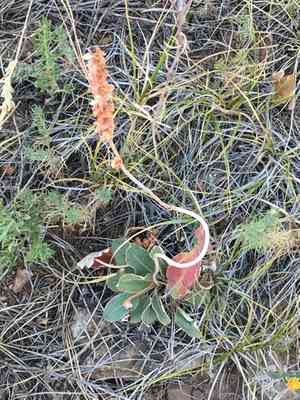
The ideal time for relocating redroot buckwheat is from early to mid-spring, as the plant awakens from its dormant state. Select a bright, well-draining spot to foster robust development. Thorough soil conditioning and careful handling are essential for a successful transfer.
What Preparations are Needed Before Transplanting Redroot Buckwheat?
What is the Ideal Time for Transplanting Redroot Buckwheat?
Redroot buckwheat, a perennial plant, is best moved in early to mid-spring. This period allows redroot buckwheat to establish roots before the intense heat of summer. Transplanting in this timeframe ensures optimal growth, improving plant health and vitality. The moderate temperatures and increased soil moisture during this season support a smooth transition, fostering robust development.
How Much Space Should You Leave Between Redroot Buckwheat Plants?
For redroot buckwheat, make sure to keep a distance of 18-24 inches (45-60 cm) between each plant. This spacing gives them ample room to grow and spread without overcrowding.
What is the Best Soil Mix for Redroot Buckwheat Transplanting?
Prepare well-draining soil mixed with some organic compost or a balanced base fertilizer before transplanting redroot buckwheat. This kind of soil encourages healthy root development.
Where Should You Relocate Your Redroot Buckwheat?
Choose a sunny spot to transplant redroot buckwheat, as it thrives best in full sunlight. Make sure it's an area that gets at least 6 hours of direct sunlight each day.
What Equipments Should You Prepare Before Transplantation Redroot Buckwheat?
Gardening Gloves
To protect your hands while working with the soil and plant.
Shovel or Spade
For digging the plant out from its original location and preparing the new site.
Watering Can
To moisten the soil before and after transplanting.
Garden Fork
To loosen the soil around the plant's roots, especially when removing from the ground.
Trowel
For more precise digging and handling of the root ball.
Mulch
To help retain soil moisture after transplanting.
Stakes and Twine
Optional support to help the plant stabilize if needed.
How Do You Remove Redroot Buckwheat from the Soil?
How Do You Remove Redroot Buckwheat from the Soil?
From Ground: First, water the redroot buckwheat plant to dampen the soil. Then, dig a wide trench around the plant using a shovel or spade, ensuring the plant's root ball remains intact. Carefully work the spade under the root ball to lift the plant from its original location.From Pot: Gently water the redroot buckwheat plant to loosen the soil. Hold the plant close to the base and carefully tip the pot upside down, tapping the bottom to release the root ball. Avoid pulling the plant out by the stems.From Seedling Tray: Water the seedlings to ease their removal. Use a trowel or a spoon to gently lift each redroot buckwheat seedling, ensuring you scoop out the entire root system. Handle the seedlings by the leaves, not stems, to avoid damage.
Step-by-Step Guide for Transplanting Redroot Buckwheat
Prepare the New Site
Ensure the new planting hole is twice as wide and just as deep as the root ball of the redroot buckwheat plant. This helps the roots spread out easily.
Remove the Plant
Follow the specific removal process for the original location of your redroot buckwheat plant (ground, pot, or seedling tray).
Place the Plant in the New Site
Place the redroot buckwheat plant in the center of the new hole. Ensure the top of the root ball is level with or slightly above the surrounding soil.
Backfill and Firm the Soil
Fill the hole with soil, gently patting it down to remove air pockets and secure the plant in place. Avoid overpacking the soil.
Water Thoroughly
Water the redroot buckwheat plant thoroughly to help settle the soil around the roots and reduce transplant shock.
Apply Mulch
Spread a layer of mulch around the base of the redroot buckwheat plant, keeping it a few inches away from the stem to prevent rot.
How Do You Care For Redroot Buckwheat After Transplanting?
Watering
Keep the soil around the redroot buckwheat consistently moist, but not soggy, for the first few weeks after transplanting to help establish strong roots.
Monitoring
Regularly check the redroot buckwheat for signs of transplant shock, such as wilting or yellowing leaves. Adjust care as needed.
Mulching
Check the mulch periodically and add more if necessary to maintain moisture and temperature levels.
Stabilizing
If the redroot buckwheat is unstable, use stakes and twine to provide support until it is well-established.
Troubleshooting Common Issues with Redroot Buckwheat Transplantation.
When is the best time to transplant redroot buckwheat?
The optimal time to transplant redroot buckwheat is in early to mid-spring for best results.
How far apart should I space transplanted redroot buckwheats?
Transplant redroot buckwheats 18-24 inches (45-60 cm) apart to allow adequate space for growth.
How should I prepare the soil for transplanting redroot buckwheat?
Ensure the soil is well-draining, and add some organic compost to enrich the planting area.
What is the ideal depth for transplanting redroot buckwheat?
Plant redroot buckwheat at the same depth it was growing in its original pot to avoid stress.
How do I minimize transplant shock for redroot buckwheat?
Water the plant thoroughly before and after transplanting to help reduce stress and ensure establishment.
What should I do if redroot buckwheat leaves start wilting after transplanting?
Wilting can be a sign of transplant shock; keep the soil moist but not waterlogged.
Do I need to fertilize redroot buckwheat during transplanting?
It's best to avoid fertilizing immediately; wait until the plant establishes itself, usually after a few weeks.
Should redroot buckwheat be transplanted in full sun or partial shade?
Redroot buckwheat prefers full sun for optimal growth, so choose a sunny spot for transplanting.
How can I protect newly transplanted redroot buckwheat from pests?
Inspect the plant regularly and use organic pest control methods like neem oil if necessary.
How often should I water redroot buckwheat after transplanting?
Water redroot buckwheat regularly to keep the soil consistently moist but avoid overwatering; once established, water less frequently.



