How to Transplant Texas cup grass?
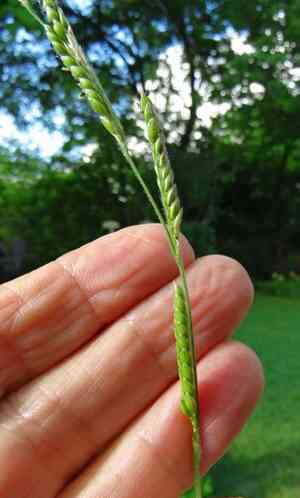
Texas cup grass flourishes when relocated in mid-spring, facilitating prime root development. Select a bright spot with adequately draining earth for superior outcomes. To ensure successful re-establishment, steer clear of sites susceptible to excessive moisture accumulation.
What Preparations are Needed Before Transplanting Texas Cup Grass?
What is the Ideal Time for Transplanting Texas Cup Grass?
Texas cup grass, a perennial plant, flourishes when moved between mid and late spring. This timeframe allows for optimal root development prior to the summer's intense heat. Transplanting at this point boosts plant vitality, lessens transplant shock, and promotes vigorous growth, leading to a healthier, more robust plant.
How Much Space Should You Leave Between Texas Cup Grass Plants?
When relocating texas cup grass, ensure each plant is positioned 24-36 inches (60-90 cm) apart. This provides ample room for expansion and proper air circulation, decreasing disease risk and fostering healthy development.
What is the Best Soil Mix for Texas Cup Grass Transplanting?
Prepare well-draining soil for texas cup grass with a pH ranging from neutral to slightly acidic, approximately 6.0-7.0. Incorporate organic compost or a balanced slow-release fertilizer into the soil to supply vital nutrients, ensuring the plants have the best start.
Where Should You Relocate Your Texas Cup Grass?
Select a spot that receives full sunlight for at least 6-8 hours daily for transplanting texas cup grass. This encourages strong growth and a vibrant display from the plant.
What Equipments Should You Prepare Before Transplantation Texas Cup Grass?
Gardening Gloves
To safeguard your hands while handling soil and plants.
Shovel or Spade
For excavating and extracting the plant from its initial position.
Trowel
For digging smaller holes and assisting with the relocation process.
Pruning Shears
To trim any damaged roots or leaves during the transfer.
Garden Hose or Watering Can
For hydrating the plant before and after its move.
Wheelbarrow or Plant Container
To transport the plant if it is large or heavy.
How Do You Remove Texas Cup Grass from the Soil?
How Do You Remove Texas Cup Grass from the Soil?
From Ground: First, moisten the texas cup grass plant to dampen the soil. Next, dig a wide trench around the plant using a shovel or spade, ensuring the plant's root ball remains intact. Carefully work the spade beneath the root ball to lift the plant from its original spot.From Pot: Thoroughly water the texas cup grass plant to loosen the soil. Gently tap the pot's sides and bottom to free the plant. Hold the plant's base and carefully extract it from the pot, being mindful of the root ball.From Seedling Tray: Water the seedlings in the tray to facilitate removal. Use a trowel or your fingers to gently lift each texas cup grass seedling out, making sure to keep as much of the root system intact as possible.
Step-by-Step Guide for Transplanting Texas Cup Grass
Prepare the New Site
Clear the transplanting area of weeds and debris. Dig a hole that is twice as wide and the same depth as the root ball of the texas cup grass plant.
Place the Plant
Gently position the texas cup grass plant into the hole. Ensure that the top of the root ball is level with the surrounding soil. If necessary, adjust the hole depth by adding or removing soil.
Fill the Hole
Backfill the hole with soil, gently firming it down around the root ball to eliminate air pockets. Be careful not to over-compact the soil.
Water Thoroughly
Water the transplant area generously to help settle the soil around the roots. Make sure the water penetrates deeply.
Mulch the Base
Apply a layer of mulch around the base of the plant. This helps to retain moisture and regulate soil temperature.
How Do You Care For Texas Cup Grass After Transplanting?
Watering
Keep the soil around the texas cup grass consistently moist, but not waterlogged, for the initial weeks post-transplant to aid in strong root establishment.
Monitoring
Inspect the texas cup grass plant daily for indications of stress (wilting, yellowing leaves). Address any issues promptly to ensure plant vitality.
Mulching
Replenish mulch as needed to maintain a consistent layer, which assists with moisture retention and weed suppression.
Weeding
Regularly remove weeds from around the base of the texas cup grass plant to lessen competition for nutrients and water.
Troubleshooting Common Issues with Texas Cup Grass Transplantation.
When is the best time to transplant texas cup grass?
The optimal period to transplant texas cup grass is from mid-spring to late spring for superior outcomes.
What should be the spacing between texas cup grass plants?
Ensure a distance of 24-36 inches (60-90 cm) between texas cup grass plants to allow for ideal growth.
How deep should I plant texas cup grass during transplanting?
Plant texas cup grass at the same depth it was previously growing to prevent stress.
How should I prepare the soil before transplanting texas cup grass?
Cultivate the soil to a depth of 10 inches (25 cm) and incorporate compost for nutrients.
Why are the leaves of texas cup grass wilting post-transplant?
Wilting may be due to transplant shock; ensure ample watering and limited sunlight initially.
Is it necessary to water texas cup grass immediately after transplanting?
Yes, water texas cup grass thoroughly right after transplanting to help establish roots and reduce stress.
What type of mulch should I use around transplanted texas cup grass?
Utilize organic mulch like straw or wood chips to retain soil moisture and regulate temperature.
How can I ensure the roots of texas cup grass are well-developed before transplanting?
Start texas cup grass in containers until roots are well-established, then transfer to the prepared site.
Should I prune texas cup grass before or after transplanting?
Prune any damaged or weak roots and lightly trim foliage after transplanting for balanced growth.
How often should texas cup grass be watered after transplanting?
Water texas cup grass every other day for the first two weeks, then decrease frequency as it establishes.



